Petals and Pathways: The Wildflower Lover's Guide to Dunbeath Strath
Petals and Pathways: The Wildflower Lover's Guide to Dunbeath Strath
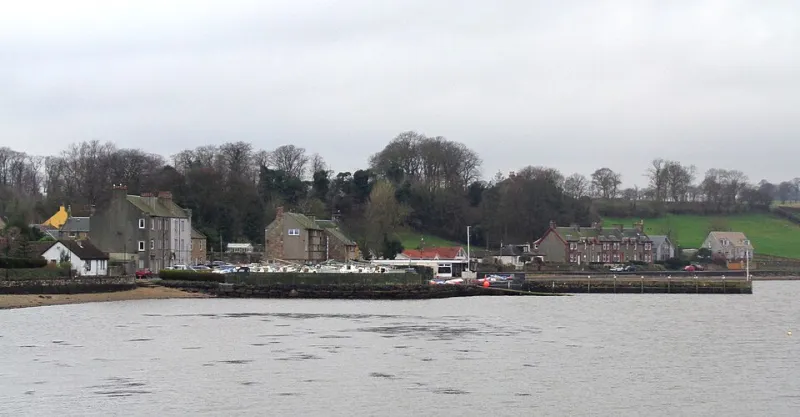
Most visitors arriving in Dunbeath look seaward first. And fair enough — the harbour is gorgeous, the cliffs are dramatic, and the North Sea on a clear day is something you don't forget in a hurry. But turn your back on the coast and walk inland along the strath, and you'll find a completely different kind of beauty. One that unfolds slowly, changes with the seasons, and rewards anyone willing to crouch down and look closely at what's growing beneath their feet.
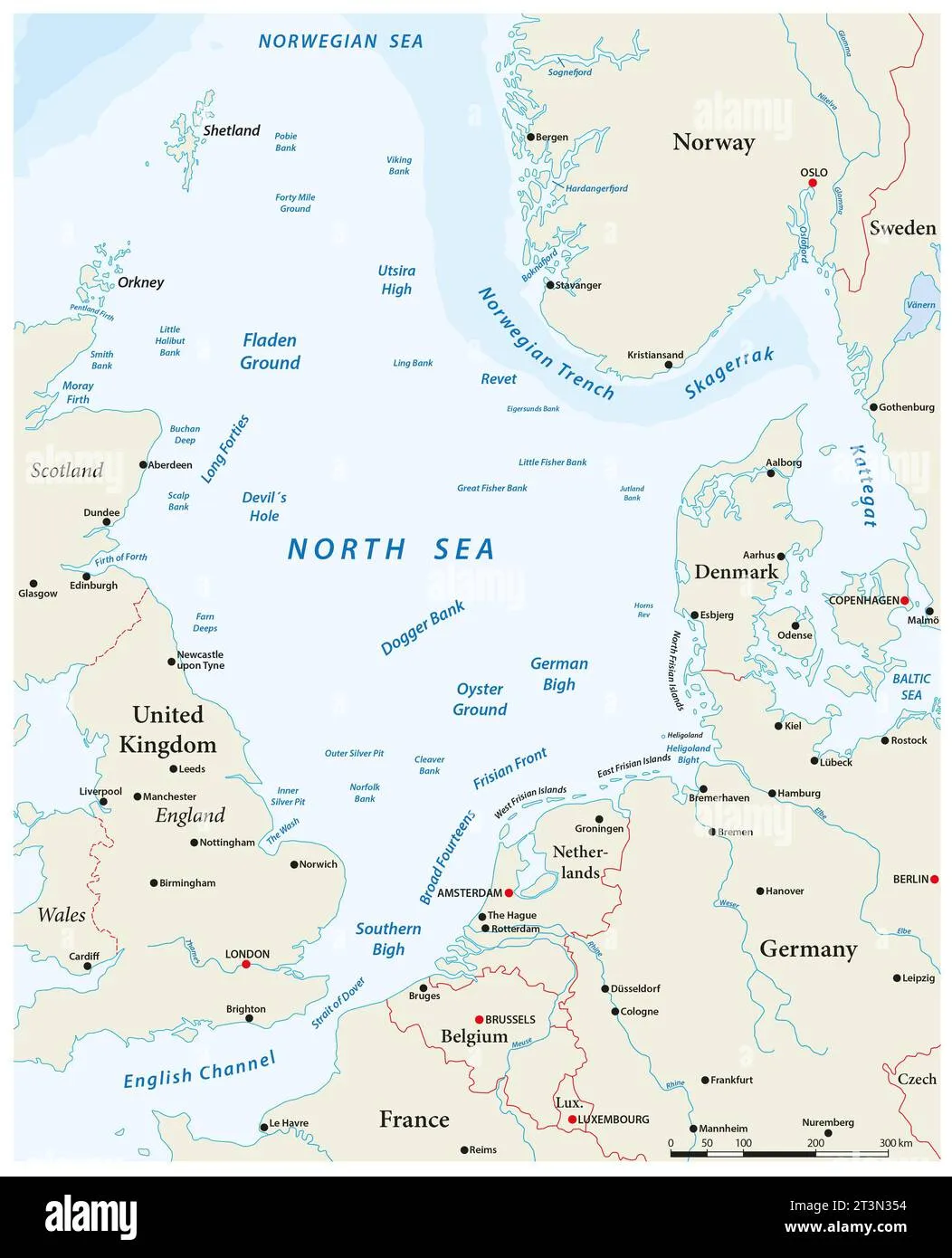 Photo: North Sea, via c8.alamy.com
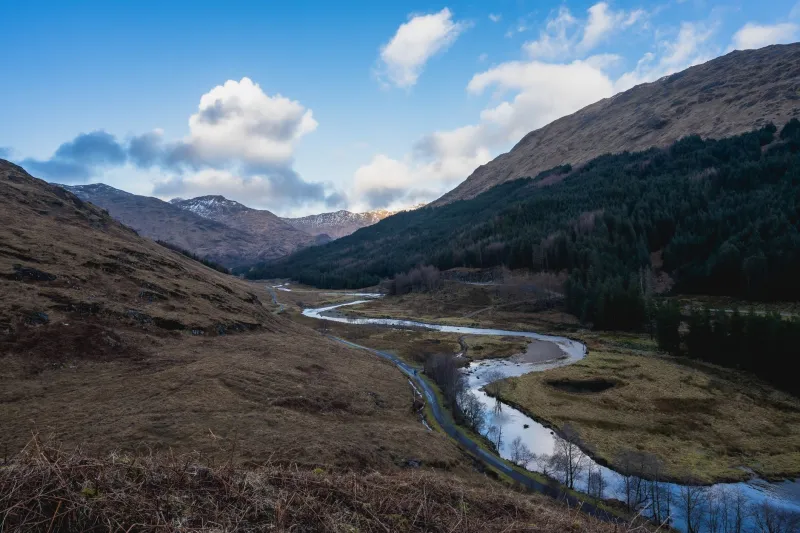
Dunbeath Strath is, botanically speaking, a hidden gem. The valley's sheltered topography creates a microclimate that simply doesn't exist on the exposed headlands above. Wind speeds drop, temperatures stay marginally warmer, and moisture lingers in the peaty soil. The result is a corridor of native plant life that feels almost improbable this far north — a green and flowering world tucked between moorland and sea.
Why the Strath Nurtures What the Clifftops Cannot
The ecology here is all about shelter. Up on the clifftops, plants face relentless salt-laden winds that stunt growth and limit which species can survive. Down in the strath, the valley walls act as a natural windbreak. The burn — the small river that threads through the glen — keeps humidity levels consistent even during drier spells, and the deciduous woodland that clings to the valley sides creates dappled conditions where shade-loving species can flourish alongside sun-seekers in the open grassland patches.
This combination of woodland edge, riverbank, and rough grassland means that the strath supports a genuinely diverse range of habitats within a relatively short walking distance. For wildflower enthusiasts, it's the kind of place where you might tick off a dozen species in a single afternoon without straying more than a mile from the road.
Spring: The First Flush of Colour
The wildflower season in Dunbeath Strath begins quietly. March brings the earliest signs — look for lesser celandine opening its glossy yellow petals on south-facing banks, and wood anemone threading its white flowers through the leaf litter beneath the birch and rowan. These are classic indicators of ancient woodland, and their presence along the strath is a quiet reminder that this landscape has been wooded far longer than most people realise.
By April, primroses are the star of the show. They cluster along the banks of the burn and spill down grassy slopes in pale yellow drifts that look almost painted on. Scotland has some of the finest primrose populations in Europe, and Dunbeath's strath is a genuinely good place to see them in numbers. They tend to favour the slightly shadier spots where the tree canopy is beginning to close overhead.
May brings bluebells — and here in the Highlands, these are the native Scottish bluebell (Hyacinthoides non-scripta), not the broader-leaved Spanish variety that has colonised so many English woodlands. Look for them in the more densely wooded sections of the strath, where they create that characteristic violet haze that's become something of a symbol of British spring.
Summer: The Valley in Full Voice
June and July are the months when the strath really earns its reputation. Meadowsweet takes over the damper sections of the valley floor, filling the air with a heavy, almost honeyed scent that drifts across the path on warm afternoons. It's one of those plants that botanical novices often overlook because the individual flowers are small, but the frothy cream clusters can reach head height in good conditions, and the fragrance is unmistakable.
Along the burn's edge, yellow flag iris adds bold splashes of colour, while ragged robin — its pink petals cut into narrow strips as though someone has taken scissors to them — pops up in the wetter grassland areas. Both are increasingly uncommon across much of lowland Britain, which makes their presence here feel genuinely meaningful.
Keep an eye out for heath spotted orchid in the rougher grassland sections. This is one of Scotland's most widespread native orchids, but it's still a genuine thrill to spot those pale pink spikes rising above the surrounding vegetation. They tend to appear in mid-June and last into July if the weather stays cool.
For those with a particular interest in upland plants, the transition zones where the valley meets the open moorland above are worth exploring. Here you'll find bog asphodel turning the wet flushes a vivid orange-yellow, and cross-leaved heath mixing with the more familiar ling heather to create a textured purple-and-pink tapestry that becomes increasingly spectacular as August approaches.
Autumn: A Quieter Kind of Beauty
As summer fades, the wildflower display becomes more subtle but no less rewarding. Devil's bit scabious carries the season forward into September with its small, powder-blue flowerheads — a vital late-season nectar source for the butterflies and bumblebees still working the valley. Goldenrod adds warm yellow tones to the grassland edges, and the seed heads of earlier-flowering plants begin to take on their own sculptural appeal.
The woodland in autumn shifts the focus from flowers to fungi, but that's a whole other guide.
Practical Tips for Wildflower Walkers
The main strath path is accessible from the village and follows the burn inland for several miles. Waterproof footwear is advisable year-round — the ground near the burn can be boggy even in summer. A simple wildflower identification app on your phone will transform the walk, though a physical field guide to British wildflowers is worth the bag space if you're seriously interested.
The best light for photographing flowers is in the early morning or on overcast days, when harsh shadows aren't a problem. And if you're visiting specifically for the spring display, aim for late April to mid-May — the window when primroses, wood anemones, and bluebells overlap is genuinely special.
Take nothing but photographs, obviously. These plants are part of what makes this valley worth coming back to.