Dunbeath After Dark: Five Ways the Village Rewrites Itself Once the Sun Goes Down
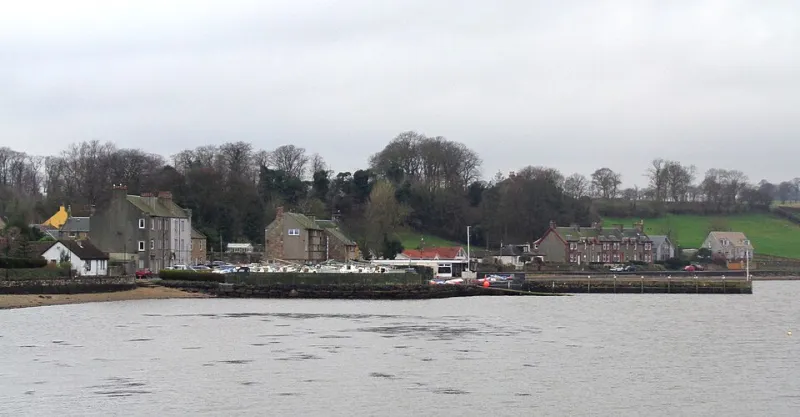
Photo: Rosser1954, CC BY 4.0, via Wikimedia Commons
Dunbeath in daylight is easy to fall for. The harbour, the strath, the clifftop views — it's all right there, obvious and generous. But there's a version of this village that most visitors never see, because they're already back at the cottage with the kettle on by the time it begins.
Stay out a little later. Give your eyes time to adjust. What follows is worth the effort.
1. The Harbour at the Edge of Hearing
In the daytime, Dunbeath harbour is a place of textures — the colours of the boats, the patterns of the stone, the glint of water between hulls. After dark, all of that recedes and sound takes over completely.
The water moves differently at night, or rather, you notice it differently. The slap of a wave against a hull. The creak of a mooring rope pulled taut by the tide. The occasional distant call of a bird you can't identify from where you're standing. Without the visual clutter of the day, the harbour becomes almost entirely acoustic, and it's surprisingly absorbing.
Practical note: the harbour path is uneven in places, so a torch is sensible — but use it sparingly once you're settled. Your eyes will adjust, and the low light reveals shapes and shadows that flat daytime illumination tends to flatten out entirely.
Best visited on a still evening when the water is calm. The reflection of any remaining sky colour in the harbour basin can be quietly spectacular.
2. The Broch Under Moonlight
Dunbeath's Iron Age broch sits on the headland above the strath with a self-possession that daylight somehow normalises. You look at it, you read the information board, you take a photograph. It's impressive, certainly.
Under a decent moon, it becomes something else altogether.
The circular walls, already ancient beyond easy comprehension, take on an entirely different weight in low light. Shadows deepen in the stonework. The surrounding landscape — the burn below, the sea beyond, the empty moorland stretching north — loses its familiar scale. You stop being a tourist looking at history and start feeling, briefly, like someone standing inside it.
This is one of those experiences that sounds slightly overwrought in description and makes complete sense the moment you're actually there. Go on a clear night with good moonlight if you can. The walk up from the village is straightforward but take a torch and wear sensible footwear — the ground is uneven and can be damp.
Tell someone where you're going before you head out. That's not dramatic advice, just good practice on any evening walk in the Highlands.
3. The Strath in Silence
The strath — the broad, sheltered valley that runs inland from the village — is well-walked during the day. Families come down here, dog walkers, birdwatchers with binoculars and patient expressions. It's a sociable sort of place.
At dusk and into the early evening, it empties out, and what's left is one of the more genuinely peaceful stretches of landscape you'll find anywhere in northern Scotland.
The burn sounds louder without competing noise. Bats emerge and work the air above the water — Dunbeath strath is particularly good for pipistrelles in late spring and summer, flickering through the half-light with that slightly chaotic, deeply efficient flight pattern. Owls are a real possibility if you're patient and quiet.
The light change here is gradual and worth watching. The strath faces in a way that catches the last of the western sky long after the village itself has gone into shadow. On a clear evening in summer, you can sit on the bank and watch the colour drain slowly out of the world above you. It costs nothing and it's one of those experiences you find yourself thinking about months later, back in a city somewhere.
4. The Clifftop Path and the Working Lighthouse
The coastal clifftops north and south of Dunbeath are dramatic enough in daylight. After dark, they become something more elemental — particularly if there's any weather coming in off the North Sea.
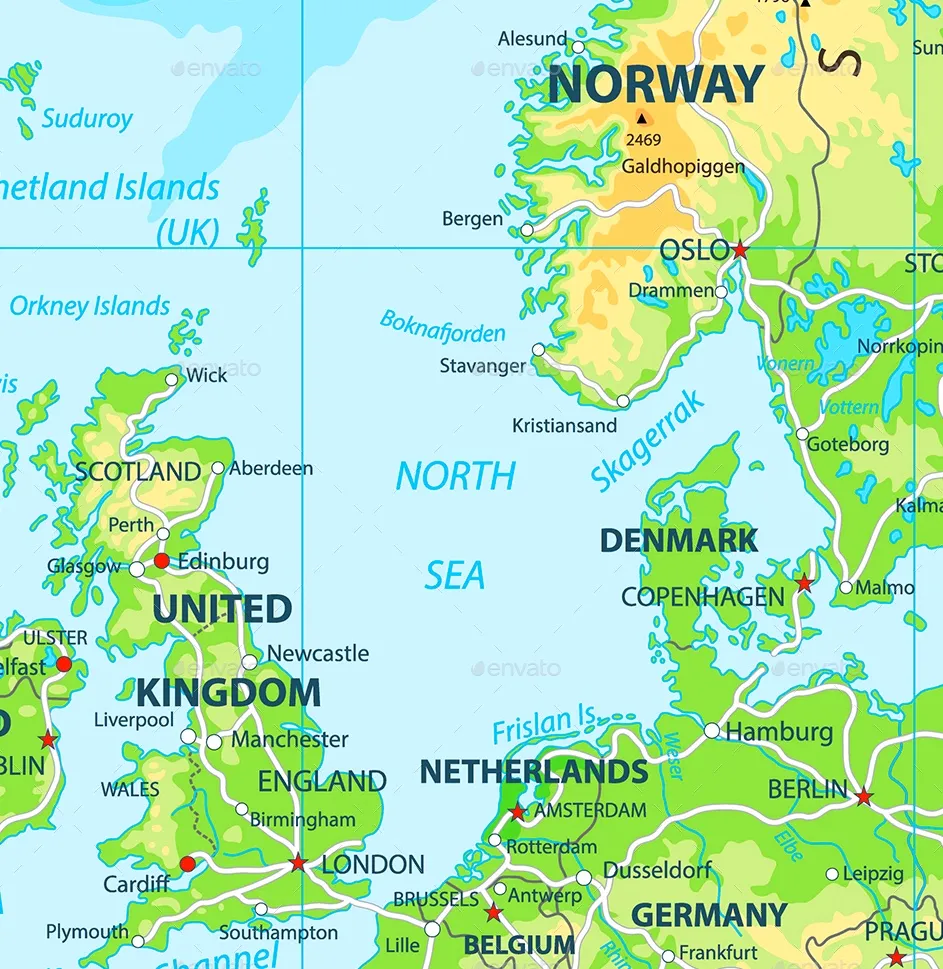 Photo: North Sea, via ontheworldmap.com
The lighthouse at Dunbeath Head comes into its own at night for obvious reasons. That rhythmic flash, so easy to ignore in the daylight, suddenly makes complete sense. You understand immediately why it matters, and you find yourself thinking about the ships out there in the dark, and the generations of mariners who navigated this coastline before GPS made it all considerably less terrifying.
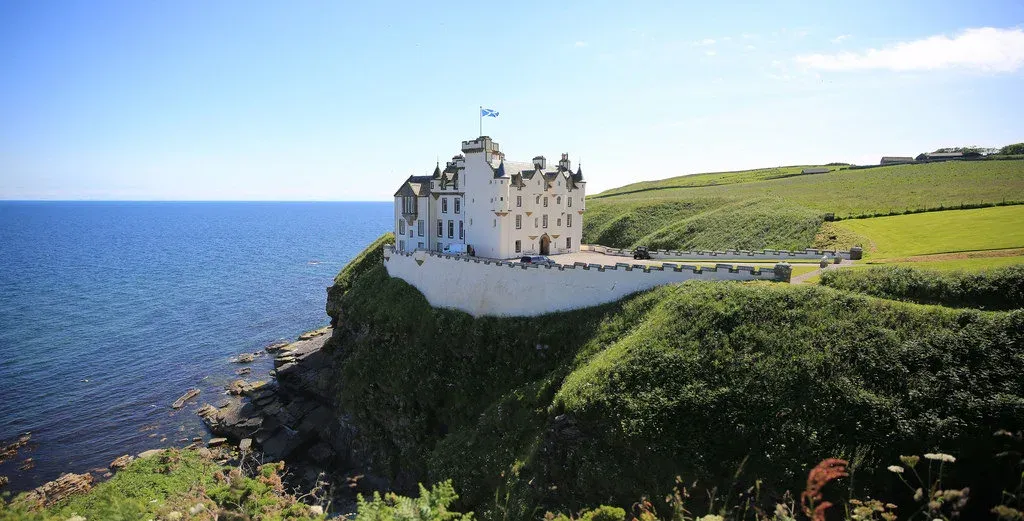 Photo: Dunbeath Head, via blogger.googleusercontent.com
Stick to well-known paths and don't go close to cliff edges in the dark — that's non-negotiable. But standing back from the edge on a clear night, watching the light pulse and listening to the sea below, is one of those experiences that quietly reframes everything.
Wrap up properly. The clifftops are exposed and the temperature drops sharply after sunset even in summer.
5. The Village Street After Hours
This one sounds underwhelming and isn't. Dunbeath's main street, quiet enough during the day by most standards, becomes a different kind of quiet after dark. Windows glow. The smell of woodsmoke drifts occasionally. The scale of the stone buildings — solid, low, built to last — reads differently without daylight softening the edges.
This is the version of Dunbeath that most closely resembles what it looked like a century ago, because the fundamental architecture hasn't changed and the darkness removes all the modern additions. Walk slowly. Look at the building lines, the way the cottages face the sea, the narrow gaps between them that funnel the wind.
If you've been spending time in the Heritage Centre or reading about the village's history, this is when it all starts to click into place. The people who built these streets weren't decorating a landscape. They were solving problems — shelter, community, access to the water — and the solutions they arrived at are still standing.
That's worth a quiet walk in the dark to appreciate properly.