Tied to the Tide: Life and Labour Through the Highland Year in Dunbeath
In most of Britain, the seasons are largely decorative. We notice them in the garden, complain about them over the weather forecast, and otherwise insulate ourselves from their effects with central heating, supermarket supply chains, and reliable broadband. In Dunbeath, the seasons are none of these things. They are structural. They determine what work is possible, what food is available, what the sea will permit, and how much daylight you have to get everything done.
This is a portrait of a working community — not the romanticised version, but the real one, with its exhaustions and its compensations, its inherited knowledge and its modern compromises.
Winter: Endurance and Maintenance
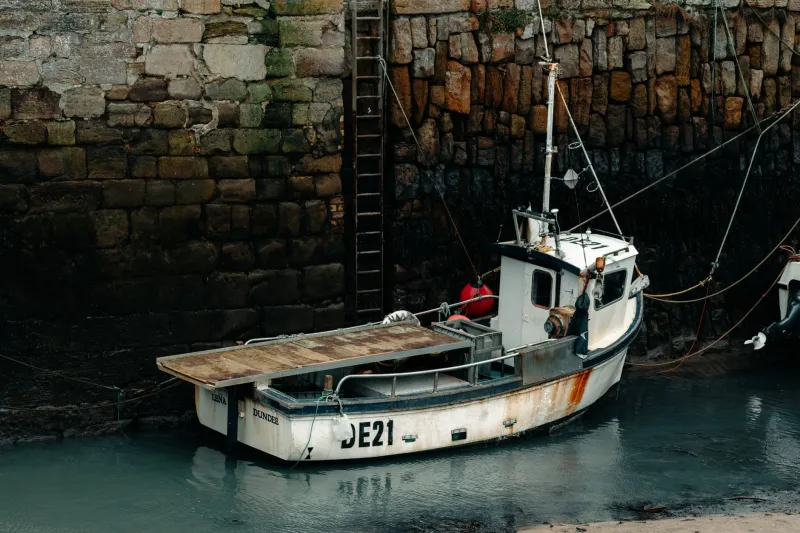
By November, the Caithness light is already rationed. Dawn arrives reluctantly around half eight; by half three, the harbour is in shadow. The fishing boats sit higher in the water now, many of them laid up for the worst of the weather, their hulls receiving the kind of attention there's rarely time for during the busy months.
For the families who depend on the sea, winter is maintenance season in every sense. Nets are mended, engines are serviced, paperwork is caught up with. The men who crab and lobster through the summer take on whatever work presents itself — labouring, driving, helping neighbours with repairs. The women who work the land through spring and summer often pick up cleaning work at holiday lets, or take shifts at businesses further up the coast.
There is no romanticism in any of this. Winter in Dunbeath is cold, dark, and financially lean. The community heating bills are real; the income gaps are real. What keeps people going isn't stoicism for its own sake — it's the knowledge, accumulated across generations, that this particular hardship ends. Spring always comes, even here.
What winter does offer, and this matters, is time. Time to repair not just equipment but relationships, to sit around someone's kitchen table for hours, to pass on knowledge that would otherwise be lost to busyness. The oral traditions of Caithness — the stories, the practical wisdom, the recipes, the techniques — survive partly because winter creates the conditions for their transmission.
Spring: The Machinery Starts Again
There's a particular morning in late March or early April — it's different each year — when you wake in Dunbeath and something has changed. The light has a quality it didn't have the day before. The birds are louder. The harbour smells different. The season has turned, and everybody knows it simultaneously, without any announcement.
The boats go back out. Creels are rebaited and dropped. The crofts begin to stir — ground that's been frozen or waterlogged softens enough to work. Lambs appear. The tourist season begins its slow warm-up, and the bed and breakfast owners start airing rooms that have been closed since October.
Spring in Dunbeath is defined by urgency. There's a compressed quality to the work — everything needs doing at once, and the good weather windows can close without warning. A working crofter might spend twelve hours outside on a dry April day, knowing that the next three could be too wet to achieve anything. The decision-making is constant and instinctive, shaped by generations of observation about what this particular stretch of Highland coast tends to do.
Younger residents who've grown up here and then returned after time away often cite spring as the season that pulls them back most powerfully. "It feels like the whole place exhales," said one woman in her thirties who left for university in Aberdeen and came back to help run her family's croft. "And you want to be here for that."
Summer: The Short, Bright Window
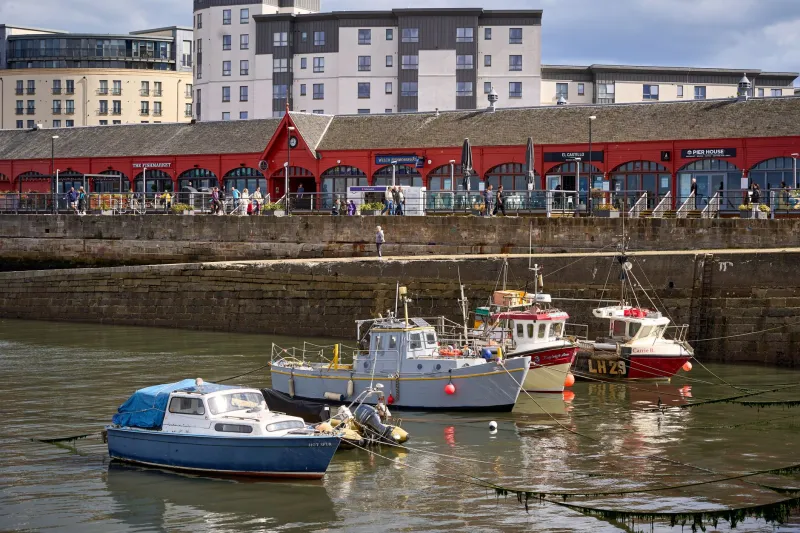
Dunbeath's summer is brief and spectacular. The days stretch to extraordinary length — midsummer light persisting until nearly eleven at night — and the village operates at full capacity. The harbour is busy. The strath is walked. The holiday cottages are full. The local economy does the work in these months that has to sustain it through the rest of the year.
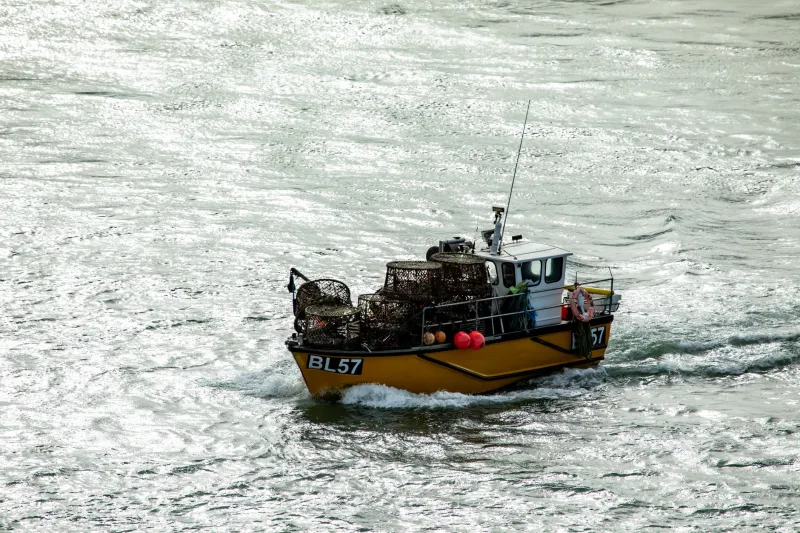
For fishing families, summer means long hours on the water. The crab and lobster season is at its peak; the catches are worth landing, and the weather, while never fully reliable, is at least negotiable. There's a physical intensity to this period that visitors rarely see — the tiredness behind the friendly faces, the early mornings that follow late evenings.
The tourist trade brings its own complications. Visitors are genuinely welcome — the income matters, and most people here are by nature hospitable — but the village absorbs them without transforming itself for them. Dunbeath doesn't perform its Scottishness. There are no tartan gift shops, no staged authenticity. What you see in summer is a working community that happens to be receiving guests, and that distinction is one of the things that makes it worth visiting.
Autumn: The Harvest and the Reckoning
By September, there's a quality of gathering-in that defines everything. Vegetables are harvested and stored. The last of the season's creels are lifted. The holiday trade winds down. The accounts are totted up, debts are assessed, and decisions are made about what can be managed through the winter ahead.
Autumn in Dunbeath has a bittersweet clarity to it that many residents describe as their favourite season. The light is extraordinary — lower, warmer, casting long shadows across the strath. The midges, which make summer outdoor work genuinely miserable at times, have largely gone. The pace slows just enough to breathe.
There's also a social dimension to autumn that the other seasons lack. The summer visitors have gone, and the village belongs to itself again. People who've been too busy to properly connect since spring find time to check in with one another. The community reasserts itself.
What Sustains It
Asking people why they stay in Dunbeath — why they choose this demanding, economically precarious, geographically isolated life — produces answers that resist easy summarising. Pride features heavily. So does beauty. So does a kind of identity that feels impossible to replicate elsewhere.
"My grandfather fished from this harbour," said one man who still runs creels from the same stretch of coast. "My children know the names of every bird on that cliff. You can't buy that. You can't move it somewhere easier."
Dunbeath's working families aren't living a heritage exhibit. They're living a life — complicated, seasonal, sometimes brutal, and fiercely their own.