Spoken Into the Wind: The Stories Dunbeath Carries in Its Own Words
Every community has two histories. The first is the one that gets written down — dates, events, names carved into stone or lodged in parish records. The second is the one that travels by mouth, passed from grandmother to grandchild, from skipper to deckhand, from neighbour to neighbour across a garden wall. In most places, the second history is the richer one. In Dunbeath, it may also be the truer one.
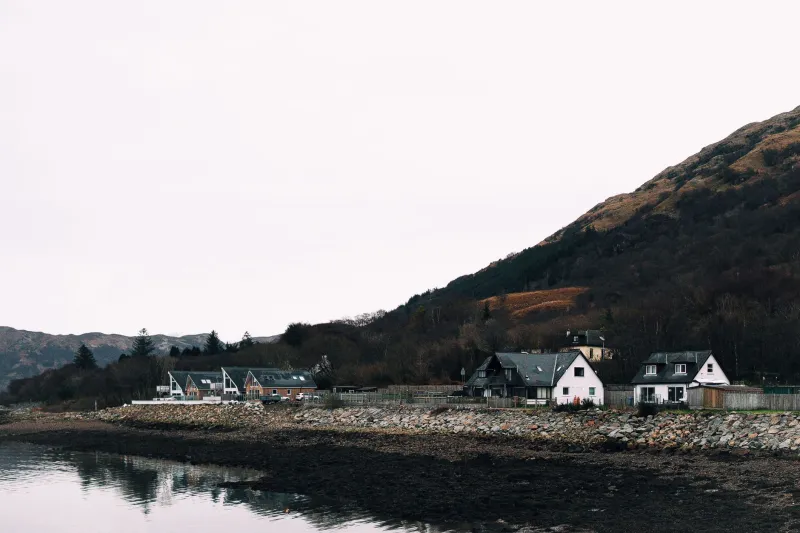
The village's ongoing oral history project — a community-led effort to record and preserve the living memories of Caithness residents — has been quietly gathering momentum for several years now. What began as a modest archive of recorded conversations has grown into something considerably more significant: a layered, breathing portrait of a Highland community that has bent, adapted, and endured through centuries of change.
Why Oral History Matters More Than Ever
We live in an age that is paradoxically terrible at remembering. We produce more recorded content than at any point in human history, yet the intimate, unrepeatable knowledge carried by older generations continues to vanish at pace. When an eighty-year-old fisherman dies, he takes with him a lifetime of understanding about tides, weather patterns, boat maintenance, and the particular character of the North Sea off the Caithness coast — knowledge that no database has ever catalogued.
Dunbeath's oral history project understands this urgency. Volunteers from the local community, some working in partnership with the Neil Gunn Memorial, have been sitting with residents — in living rooms, at kitchen tables, occasionally in the harbour itself — and simply listening. The recordings that have emerged are extraordinary in their texture and specificity.
Migration, Loss and the Pull of the Strath
One of the most persistent themes running through the collected testimonies is movement — the constant ebb and flow of people leaving Dunbeath and, sometimes, finding their way back.
The Clearances cast a long shadow over Caithness memory. Several contributors describe family histories fractured by displacement, with ancestors pushed from inland crofts toward the coast, forced into fishing as a livelihood by landowners who had decided the land was better suited to sheep. 'My great-grandmother never spoke about it directly,' one contributor recalls. 'But she'd go quiet in a particular way when the subject came up. That silence told you everything.'
Later waves of migration were driven by economics rather than coercion — young people leaving for Inverness, Glasgow, or further south in search of work, education, opportunity. The twentieth century thinned many Highland communities to a fraction of their Victorian populations, and Dunbeath was no exception. What the oral history project captures, in striking detail, is the emotional complexity of these departures: the guilt of those who left, the pride of those who stayed, the complicated loyalty felt by those who returned.
The Fishing Industry: A World Within a World
If migration is one of the project's great themes, the fishing industry is another — and the testimonies gathered here are among the most vivid in the archive.
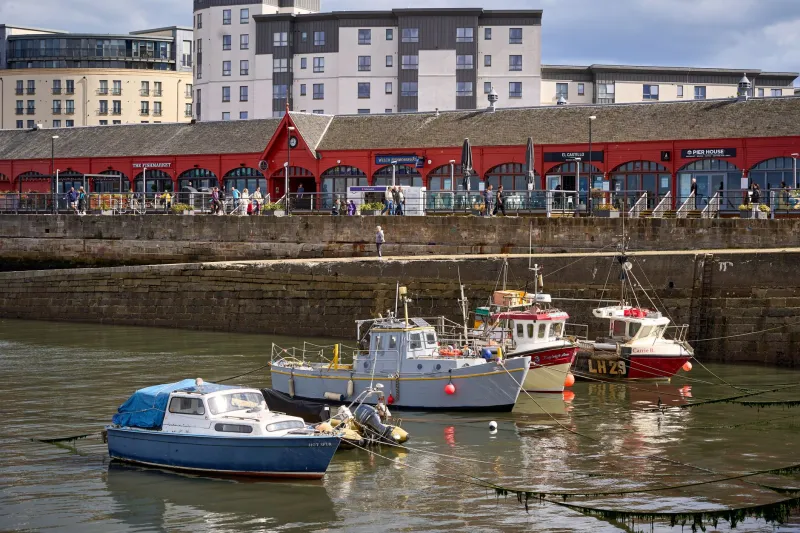
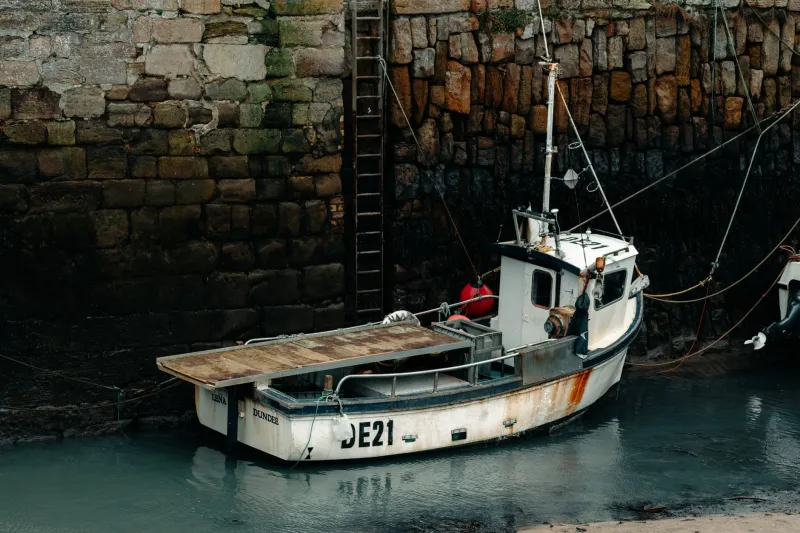
The herring boom of the late nineteenth and early twentieth centuries transformed the Caithness coast. Dunbeath harbour, modest as it appears today, was once a hub of intense seasonal activity: boats going out in the early dark, catches landed and processed at speed, the village smelling permanently of salt and smoke. Women gutted herring with a dexterity that has to be described to be believed — one contributor estimates that her grandmother could process sixty fish per minute at her peak.
'You have to understand that the sea wasn't a backdrop,' explains a man in his late seventies whose father and grandfather both fished out of Dunbeath. 'It was the economy. It was the culture. It was the conversation at every meal. When the herring went, it wasn't just an industry that disappeared. It was a whole way of making sense of the world.'
The decline of the fishing industry through the mid-twentieth century appears repeatedly in the testimonies as a kind of communal grief — not sudden, but slow and grinding, like a tide going out over years.
Local Legends and the Landscape That Holds Them
Not everything in the archive is solemn. The project has also captured a remarkable body of local legend, folk belief, and community humour that gives the collection its warmth and texture.
The Dunbeath Strath, which winds inland from the village through a landscape that has barely changed in centuries, features heavily in the more mythological contributions. There are stories of water spirits and unexplained lights, of animals behaving strangely before storms, of a particular bend in the river where, according to at least three separate contributors, 'things are not quite right.' Whether you take these stories literally is beside the point. What they reveal is a community that has always read its landscape with extraordinary attentiveness — that has noticed, named, and narrativised every feature of the terrain it calls home.
The broch on the hill above the village — one of the best-preserved Iron Age structures in Scotland — generates its own cluster of stories. Several older residents recall being told as children that the broch was built by giants, or that it hummed on certain nights, or that cattle brought near it would not settle. These are not beliefs held with great conviction. They are stories told with a smile, but also with a kind of reverence: an acknowledgement that the landscape holds more history than any single generation can fully comprehend.
How Visitors Can Engage
The oral history project is not a closed archive. Visitors to Dunbeath are actively encouraged to engage with the community and, where appropriate, to contribute their own observations or connections to the area.
The Neil Gunn Memorial is a natural starting point. Gunn himself was one of Scotland's great literary chroniclers of Highland life, and the memorial serves as a hub for cultural heritage in the area. Staff and volunteers can point visitors toward recorded testimonies, local events, and opportunities to meet residents willing to share their stories.
Beyond the formal project, the most valuable thing a visitor can do is simply slow down and talk. Ask the person at the harbour what the weather is likely to do. Ask the farmer you pass on the strath road how long his family has worked that land. Ask the woman at the café what her grandmother's name was.
You will not always get a long answer. But you will always get a true one.
A Living Archive
Dunbeath's oral history project is, at its heart, an act of love — a community choosing to believe that its own experience is worth preserving. In an era when Highland Scotland is too often reduced to shortbread-tin imagery and whisky-trail tourism, there is something genuinely radical about a village insisting that its real value lies in the voices of its people.
The stories gathered here are not always comfortable. They include hardship, loss, injustice, and grief. But they are also full of resilience, ingenuity, humour, and a stubborn attachment to place that refuses to be romanticised or erased.
Come to Dunbeath and listen. The wind has been carrying these words for centuries. It would be a shame not to catch a few.