When the Clouds Roll In: Making the Most of a Wet Day in Dunbeath
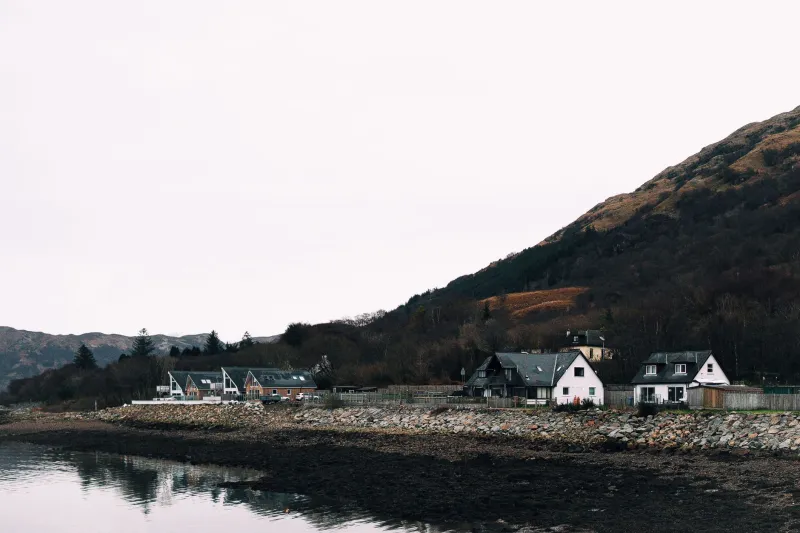
Let's be honest with each other. You checked the forecast before you left home, and it said something ambiguous involving a cloud symbol and the word 'showers', and you packed a waterproof anyway because you're British and you know how this works. Now you're here, and Caithness is delivering what Caithness occasionally delivers with considerable conviction: a grey, horizontal, committed sort of rain that shows no particular interest in stopping.
Good. Seriously — good. Because a wet day in Dunbeath is not a wasted day. It's a different day, and once you stop trying to fight the weather and start working with it, you'll find that the village has a whole other face it only shows when the sky turns dramatic.
The First Thing to Do: Stop Apologising for the Weather
This might sound obvious, but it's worth saying. The instinct, especially if you've travelled some distance to get here, is to feel aggrieved by rain as though it's a personal slight. It isn't. The weather in the far north of Scotland is part of the character of the place, and the landscapes around Dunbeath — the cliffs, the strath, the harbour, the moorland — look genuinely extraordinary under heavy cloud in a way they simply don't under bland blue skies.
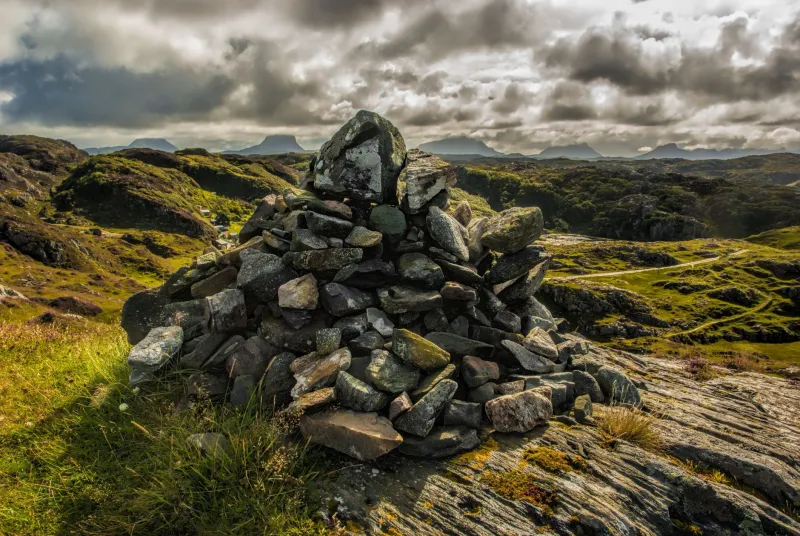
Overcast light is a great equaliser. It eliminates harsh shadows, softens colours, and makes the textures of old stone and wet grass glow in a way that photographers will tell you is actually preferable to sunshine for certain subjects. The sea turns a deep, gunmetal grey. The burn runs faster and louder. The whole place feels more itself, somehow — more authentically Highland, less like a postcard.
So: embrace it. You're in Caithness. This is part of the deal, and it's a good part.
Head to the Heritage Centre First
If you haven't yet visited the Dunbeath Heritage Centre, a rainy morning is the perfect time to do it properly rather than briefly. Housed in the old school building at the top of the village, it's one of those small local museums that punches well above its weight — the kind of place where you arrive planning to spend twenty minutes and find yourself still there an hour later.
The centre covers the full sweep of Dunbeath's remarkable story: the prehistoric brochs and Pictish settlements that dot the surrounding landscape, the crofting and fishing heritage that shaped the community for centuries, and the literary legacy of Neil Gunn, the novelist who grew up here and went on to write some of the most celebrated Scottish fiction of the twentieth century. If you've read Highland River or The Silver Darlings, the centre adds a layer of context that makes the village feel like a living text. If you haven't read them, you may well leave with a strong urge to start.
The staff here are knowledgeable and genuinely enthusiastic — the kind of people who can point you towards things you'd never have found on your own. Ask questions. They like it.
The Watermill in the Rain
Dunbeath Heritage Watermill, tucked into the strath just a short walk from the village centre, is one of those places that rain actively improves. The mill sits beside the burn, and when the water is running high after rainfall, the whole setting becomes more dramatic — the wheel turns with more authority, the sound of the water fills the air, and the surrounding trees drip in a way that feels almost theatrical.
The mill has been carefully restored and tells the story of the working agricultural heart of the Dunbeath community — the grinding of grain, the rhythms of the farming year, the practical ingenuity of people who built things to last. It's a hands-on, tangible piece of history, and it's the sort of place that children respond to immediately, partly because it actually moves and makes noise and partly because it's easy to understand what it was for.
The walk to the mill along the strath path is perfectly manageable in waterproofs, and the strath itself in wet weather has a lush, almost otherworldly quality — the green intensifies, the burn swells, and the sense of being in an ancient, sheltered valley becomes more pronounced.
Storm-Watching from the Harbour
This requires a particular mindset, but if you've got it, there are few things more exhilarating on a rough Caithness day than standing at Dunbeath harbour — sheltered enough to stay safe, exposed enough to feel the full drama of the North Sea doing its thing.
The harbour walls provide good natural protection, and from the right position you can watch the sea building and breaking against the rocks outside the bay without being in any danger yourself. The sound alone is worth it — that deep, rhythmic percussion of waves against stone that you feel as much as hear. Bring a flask of something hot, pull your hood up, and give yourself permission to just watch for a while. It's one of those experiences that sounds slightly mad when described and feels absolutely right when you're doing it.
If the wind is truly fierce, the view from the road above the harbour gives you the panorama with a little more shelter — the full sweep of the bay, the castle headland to the south, and the sea stretching away to the horizon in shades of grey and silver that no filter can improve.
Quiet Pleasures and Practical Warmth
A wet afternoon has its own slower tempo, and Dunbeath accommodates it well. This is the kind of day for sitting with a book you've been meaning to read, for going through your photographs from the days before, for writing the postcards you've been putting off. The village doesn't demand constant activity, and there's genuine pleasure in letting a grey afternoon simply pass.
For practical warmth and sustenance, it's worth knowing that Wick and Thurso — both within easy driving distance — offer cafés, bookshops, and the kind of covered indoor time that a very wet afternoon occasionally calls for. Wick in particular has a character all its own, with its own heritage centre and harbour worth exploring even in the rain.
The Gift of a Different Light
Here's the thing about grey days in the Highlands that takes a while to fully appreciate: they're not lesser days. They're alternative ones. The landscapes you see in heavy cloud are landscapes you won't see any other way. The heritage experiences feel more appropriate somehow — more fitting to the serious, layered history of a place like Dunbeath — when the weather outside is doing something interesting.
Come prepared, stay curious, and let the rain do what it came to do. Dunbeath will meet you where you are.