Cast Your First Line at Dunbeath: A Beginner's Guide to Sea Fishing on the Highland Shore
Cast Your First Line at Dunbeath: A Beginner's Guide to Sea Fishing on the Highland Shore
There's a particular kind of satisfaction in standing at the edge of the sea with a rod in your hand and absolutely no idea what you're doing. It sounds daft, but that moment of cheerful ignorance — before the fish, before the technique, before any of it — is actually the best place to start. And if you're going to start anywhere in Scotland, Dunbeath harbour is as good a classroom as you'll find.
This isn't a place that demands expertise. It doesn't require a boat, a guide, or a wardrobe full of specialist kit. What it does offer is something rarer: a sheltered, accessible stretch of coastline with a genuine fishing heritage, where the sea feels approachable rather than intimidating, and where the act of dropping a line into the water connects you to generations of working fishermen who called this village home.
Why Dunbeath Works for Beginners
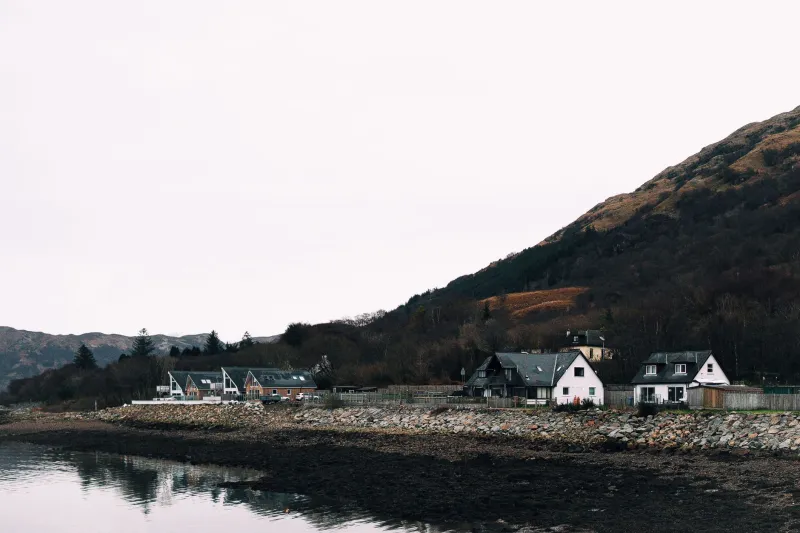
Geography matters enormously in sea fishing, and Dunbeath's got it right. The harbour sits at the mouth of the Dunbeath Water, where the burn meets the Moray Firth, creating a natural shelter that buffers the worst of the North Sea's moods. That means calmer water, more predictable conditions, and far less of the heart-in-mouth drama that exposed headlands can serve up.
The rock platforms either side of the harbour mouth are flat enough to stand on comfortably, and the water alongside the harbour walls themselves is accessible without any scrambling or specialist footwear — though a pair of wellies is always a sensible call on the Caithness coast. The combination of harbour structure, rocky reef, and the freshwater influence of the burn creates a varied underwater habitat that attracts a pleasing range of species throughout the year.
For a beginner, variety is everything. You're not coming here to target a specific fish with painstaking precision. You're coming to learn what it feels like to fish, to understand the rhythm of the tide, and — with a bit of luck — to feel that unmistakable pull on the line that turns casual visitors into people who buy rods before they've reached Inverness on the way home.
What You Might Catch (and When)
Dunbeath's waters aren't exotic, but they're productive, and the honest truth is that for a first-time angler, catching something modest and real beats hearing tall tales about the one that got away.
Spring and early summer bring coalfish — or 'coley' as they're often called locally — particularly around the harbour walls and rocky edges. They're feisty, plentiful, and obligingly enthusiastic about taking a lure or baited hook. Mackerel start arriving from June onwards, and if you've never experienced the electric thrill of a mackerel taking a feathered lure, you're in for a treat. They come in fast, hit hard, and fight above their weight. A string of six feathers on a simple rig is the standard approach, and it genuinely requires almost no technique to work.
Summer into autumn is the peak season for variety. Pollack haunt the kelp beds off the rocky points, and the harbour area can produce small codling as the water cools in September and October. Flatfish — dabs and the occasional plaice — are worth targeting from sandy patches nearby, using a simple two-hook bottom rig with ragworm or lugworm bought from tackle shops in Wick or Thurso before you arrive.
Winter fishing is for the dedicated, but it's worth knowing that cod — proper, chunky, satisfying cod — move into Highland inshore waters as temperatures drop. If you're visiting in the colder months and the weather allows, the harbour wall in late autumn can produce memorable results.
The Gear You Actually Need
Keep it simple. A 10–12 foot beachcaster rod with a fixed-spool reel loaded with 15lb monofilament line is the standard starting point for shore fishing, and you can pick up a serviceable combination for around £40–£60 from any decent fishing retailer. If you'd rather not invest before you know you enjoy it, ask locally — Caithness has a strong fishing community, and friendly advice is rarely hard to find.
For bait, ragworm is your most reliable option for bottom-feeding species. Mackerel feathers need no bait at all. A small tackle box with a selection of hooks (sizes 1/0 to 3/0 cover most eventualities), a few leads, and a packet of feathers is genuinely all you need to get started.
Don't forget a tide table. Fishing around the tide — specifically the two hours either side of high water — dramatically improves your chances, and understanding tidal movement is one of the first real skills you'll absorb almost without noticing.
Connecting to Something Older
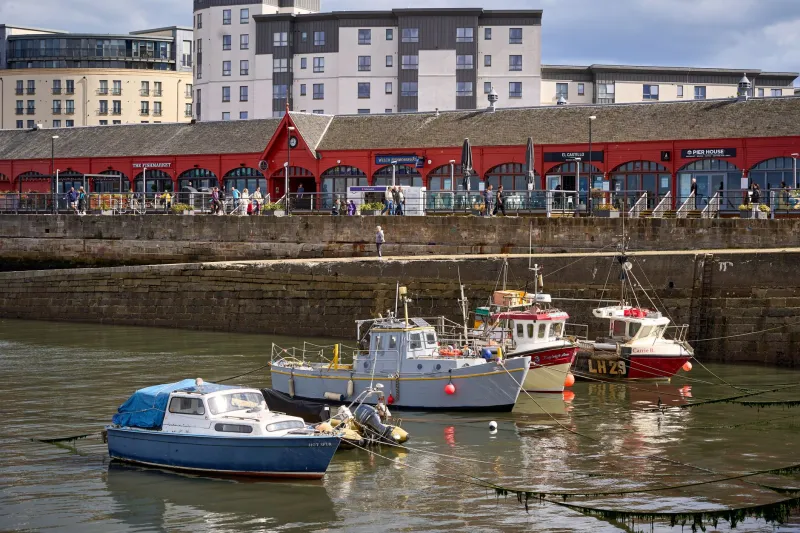
What makes fishing at Dunbeath feel different from a leisure pier in Brighton or a stocked trout lake in the Cotswolds is the weight of context around you. The harbour you're standing beside was built to serve working fishermen who depended on this coastline for their livelihoods. The herring fleets that once made Dunbeath dance with activity, the lobster creels still stacked in neat rows, the smell of salt and old rope — these aren't heritage props. They're the residue of a way of life that shaped this village entirely.
When you drop your first line into that water, you're doing something that people here have done for centuries. The fish don't care about the history, obviously. But you might find that you do, and that it adds a quiet dimension to the experience that you weren't expecting.
A Few Practical Notes Before You Go
No licence is required for sea fishing in Scotland — it's one of the genuinely free pleasures of the Highland coast. Always check the weather before heading to the rocks, and never fish alone on an exposed platform if the sea is rough. Wear layers; even a July afternoon in Caithness can turn brisk without warning.
Tell someone where you're going, respect the harbour's working activity, and take your litter home. The fishermen who use this harbour professionally will appreciate it, and so will everyone who comes after you.
Dunbeath doesn't promise you a trophy catch. It promises you something better: a first experience of sea fishing that feels real, connected, and entirely worth repeating.