The Glen, the Harbour and the Long Apprenticeship: Walking Neil Gunn's Dunbeath
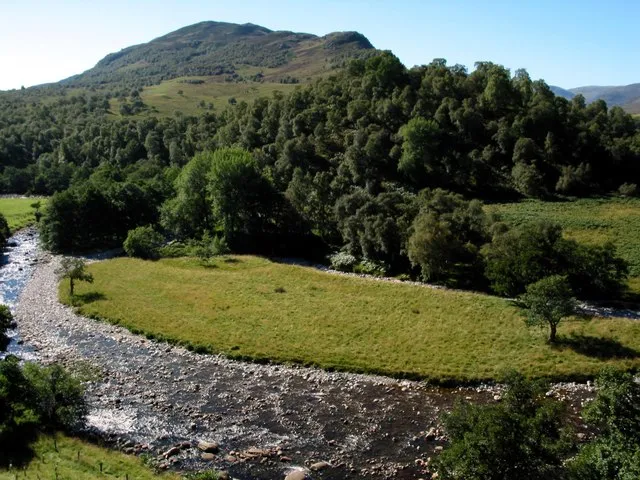
Photo: John S Ross, CC BY-SA 2.0, via Wikimedia Commons
Neil Gunn was born in Dunbeath on 8 November 1891, the son of a fisherman, and spent his earliest years in a village strung along a strath where a river slips out into the North Sea. Life took him away — Customs and Excise, decades of it, and a late move to a farm in Ross-shire — but the place he left kept surfacing in everything he wrote. Walking Dunbeath with his novels in your bag is one of the quietest literary pilgrimages in Scotland, partly because almost nothing here is labelled for you. You have to do a bit of the work yourself. That seems fitting.
A village that got into the prose
Gunn's breakthrough novel, Highland River (1937), won the James Tait Black Memorial Prize and remains the best place to start. It follows a boy called Kenn up and down a river that is never named on any signpost but is unmistakably the Dunbeath Water: the pools, the peat-stained colour, the small boy who catches a salmon with his bare hands and never quite gets over it. Read the opening chapters before you arrive and the glen will feel oddly familiar, as though you've been here before in someone else's memory.
He wrote other things worth your time — Morning Tide, Sun Circle, Butcher's Broom, and the wonderful Young Art and Old Hector, in which an old man and a boy argue about the nature of the world while poaching trout. But Highland River is the one that belongs to this strath.
Start where the village keeps its memory
The old school building now houses a volunteer-run heritage collection, and it's the right first stop. Opening hours are seasonal and depend on people giving up their Saturdays, so check before you travel rather than assuming. Ask about the Gunn material, the fishing history, and the buildings you're about to walk past. Small museums like this are staffed by the sort of people who know which field floods and which doorway used to be the smiddy, and half an hour of conversation will improve the rest of your day immeasurably.
Down to the harbour
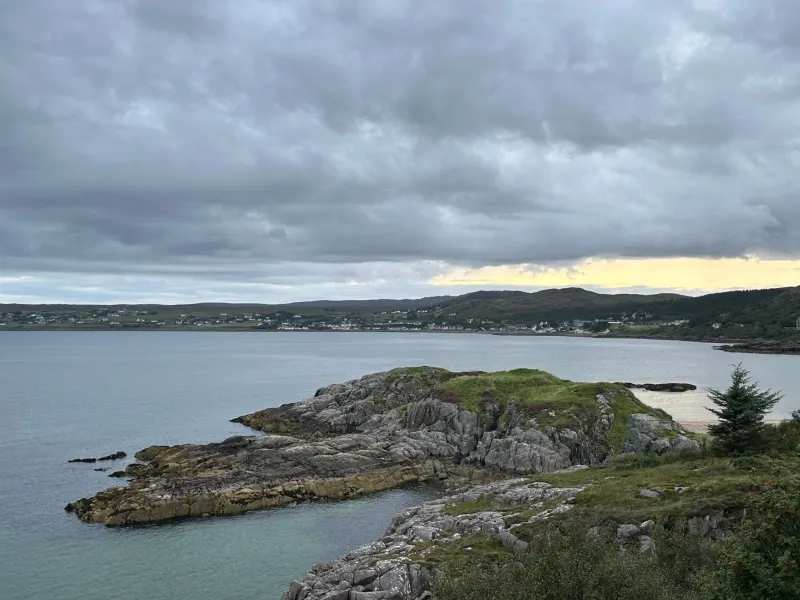
From the village, drop down towards the shore. The harbour is small, working, and unbothered by visitors — a place of creels, rope and salt-bleached concrete rather than interpretive panels. Stand here a while. This is the water Gunn's father fished, and the sound of it is the constant background hum of the early novels.
Look south across the burn to Dunbeath Castle, perched on its own cliff and very much a private home. It is not a visitor attraction, and the gardens open only occasionally under Scotland's Gardens Scheme. Admire it from the far side of the water and leave the gate alone. The view back up the strath from the harbour is the one to photograph: river, bridge, cottages, and then the moor rising behind.
Up the strath
A track follows the water upstream, and this is where the book and the ground really lock together. The glen narrows, the trees thicken, and the noise of the village falls away within ten minutes. Go as far as your legs and the weather allow — there's no formal route and no circular loop, so it's an out-and-back.
Wear boots rather than trainers. The ground is wet underfoot in most months, and Caithness weather changes its mind without warning. Midges are a genuine summer nuisance in the sheltered sections, so pack repellent. Keep dogs on a lead where stock is grazing, and remember that the upper glen is working land, not a park.
What to read, and in what order
If you only read one, read Highland River. If you read two, add The Silver Darlings, his great novel of the herring boom — not set in Dunbeath specifically, but drawn from the same coastal world, and it will change how you look at every old pier between here and Wick. For something gentler, Young Art and Old Hector is short, funny and quietly profound, and makes excellent reading in a car park with a flask.
Gunn's reputation dipped after his death in 1973 and has been slowly rebuilt since; there's a society devoted to him, and a writing competition in his name that has launched a fair few careers. You're not walking in a dead man's footsteps so much as in a living argument about what Highland life was and is.
Practical notes
Park near the harbour or in the village; there's no formal visitor car park and no need for one. Supplies are limited — pick up food and fuel in Helmsdale or Wick before you arrive. Toilets are thin on the ground, so plan accordingly. Bring a midge net, waterproofs and cash for the heritage collection's honesty box. Drones are unwelcome near the castle and distressing near livestock; leave it in the boot.
And go slowly. Gunn's whole argument, across dozens of books, is that a place reveals itself to the patient. A rushed hour here gets you a photograph. A slow afternoon gets you the feeling he spent a lifetime trying to describe.