Buy a Round, Learn a Village: One Long Evening in a Dunbeath Pub
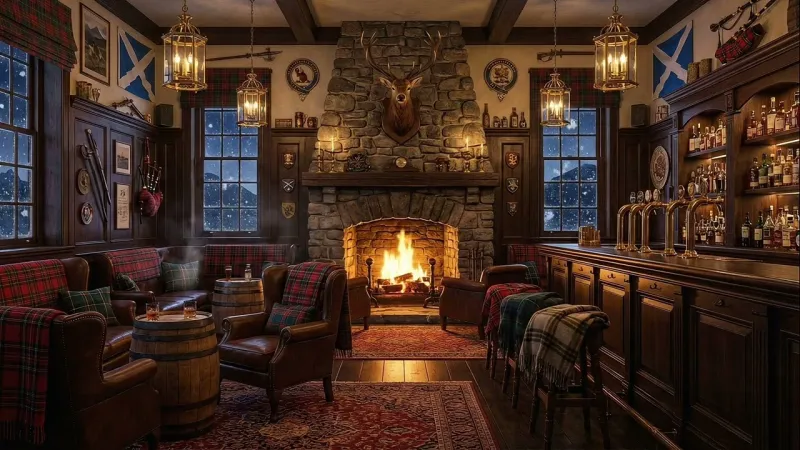
Photo: cosy traditional scottish highland pub interior fire pint evening, via i.ytimg.com
I arrived at the pub at seven with a notebook and left at closing without writing much down, and I'd argue that's the point.
The visitor centre will tell you about Dunbeath. The heritage boards will tell you about Dunbeath. But if you want to understand Dunbeath — its humour, its grievances, its weather, its gossip, its stubborn affection for itself — you need to sit at a bar with a pint and let the evening happen to you.
The Last Democratic Room
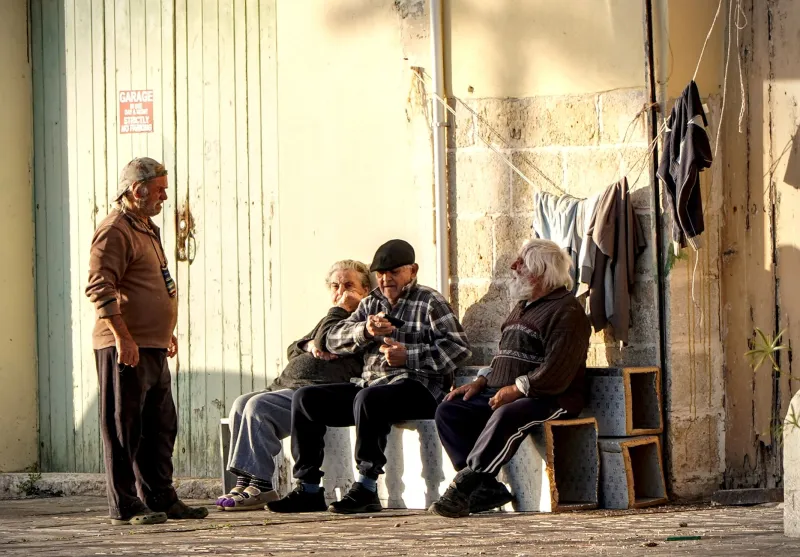
Here's my thesis, formed somewhere around the third pint: the Highland pub is the last genuinely democratic space in Britain. Think about where else that's true. The supermarket? Nobody talks. The church? There's a hierarchy, whether we admit it or not. Social media? Please. But the pub — a proper local pub, not a themed lounge pretending to be one — is a room where the retired fisherman and the farmer, the nurse coming off shift and the walker in with sodden boots all occupy the same benches, drink the same pints and hold equal standing in the conversation.
Money buys you a round, not a better seat. Status is earned in the currency of good stories and decent craic. I watched a young lad come in, clearly a visitor, clearly unsure — and within twenty minutes he was being told, in no uncertain terms, which clifftop walk was worth his time and which hill track was 'no' worth the shoe leather. No app could have given him that.
An Evening, As It Happened
The early hours belong to the regulars and the quiet. A fire going, the TV muted, the odd murmur about the price of feed or the state of the road. Then, gradually, the room fills: folk back from the boats or the day's work, a table of walkers thawing out, a birthday party of uncertain size occupying the corner.
The talk moves like weather. Football, then farming, then a story about a storm thirty years ago that has everyone laughing and nobody agreeing on the details. Somebody mentions the herring days and an old fellow gives you ten minutes of family history you'd never find in any archive. A ghost story surfaces — as ghost stories do in a village this old — involving a light in a window that was never lit, and is told with just enough sincerity that nobody quite dares laugh.
Somewhere in there, I bought a round. It cost less than a takeaway in the city and did more for my understanding of the place than three days of sightseeing.
Make the Pub the Destination
We've developed a habit, in British tourism, of treating pubs as amenities — fuel stops between the real attractions. I want to argue the opposite. The inn is the attraction. It's a living museum of the village's language, humour and history, except the exhibits talk back and the heating's better.
So here's my prescription for any visitor passing through Dunbeath: skip one viewpoint. Miss one photo stop. Instead, get to the pub by seven, order a local pour, and stay long enough for the second round. Listen more than you talk. Ask about the weather and mean it as a genuine question.
You'll leave with what no visitor centre can give you: the sense of a place that is still going somewhere, told by the people taking it there. And if the light in that window's unlit when you walk back — well. Ask a local. They'll tell you the rest.