Leave Half Your Bag at Home: The Lighter Way to Love Dunbeath
Let's be honest about something. A lot of UK travellers don't actually go on holiday — they go on logistics exercises with scenic backdrops. The spreadsheet of restaurant bookings. The laminated map with colour-coded highlights. The bag that required a second bag to carry all the things that might be needed for every conceivable weather scenario, including, apparently, a blizzard in August.
Dunbeath doesn't need any of that. In fact, it actively resists it. This is a village on the Caithness coast where the tides set the schedule, the paths don't require a GPS, and the best meal you'll have will probably be something you didn't plan for. The smartest thing you can do before you come here is put half your stuff back in the wardrobe and give yourself permission to figure it out when you arrive.
This is a guide for people who want to travel lighter — in every sense.
The Case Against Over-Planning
There's a particular kind of British holiday anxiety that kicks in about three weeks before departure. It manifests as an urgent need to have booked everything, researched everything, and prepared contingency plans for the contingency plans. It's understandable — we're a nation that queues in advance — but it's also quietly exhausting, and it tends to produce trips where you're so committed to the itinerary that you can't actually enjoy where you are.
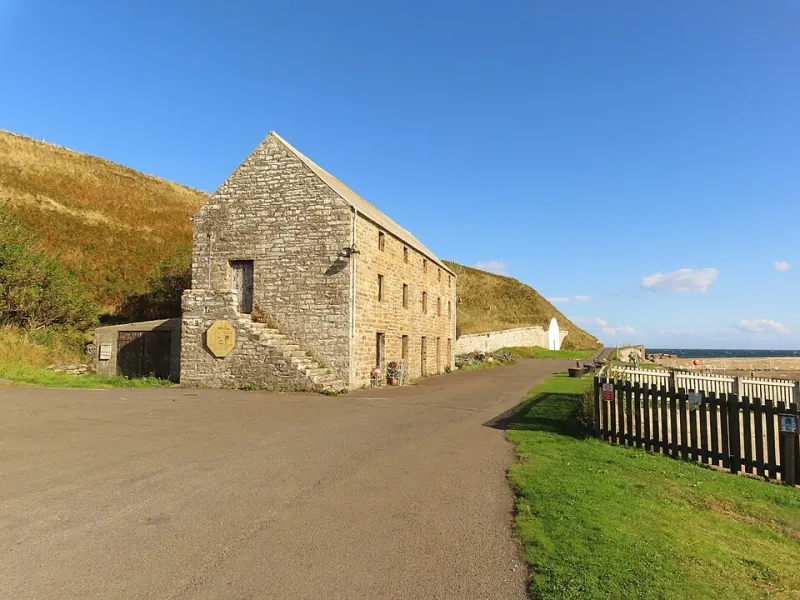
Dunbeath is a village with a harbour, a strath, a castle on a clifftop, a heritage watermill, and more walking routes than you'll cover in a long weekend even if you try. The infrastructure of a great visit is already there. What it doesn't have — and what it doesn't need — is a packed programme of ticketed attractions and advance reservations. The rhythm here is genuinely different, and the quicker you sync to it, the better your trip will be.
One Route. That's Your Starting Point.
Forget the multi-destination Highland road trip for a moment. If you're coming to Dunbeath for a long weekend, the strath walk is your anchor experience — full stop. It runs inland from the village along the burn, through ancient woodland and open moorland, past a broch that's been standing since the Iron Age, and out into a landscape that feels genuinely remote despite being a short walk from a car park.
You don't need a guide. You don't need a detailed map (though the OS Explorer sheet for this area is worth having). You need decent footwear, a waterproof layer, and a willingness to stop when something catches your eye. The route is there. The landscape does the rest.
Do this walk twice if you can — once on your first day to get your bearings, and once on your last morning when you know what to look for. The two walks will feel completely different, and that's the point.
One Tidal Window. Use It Properly.
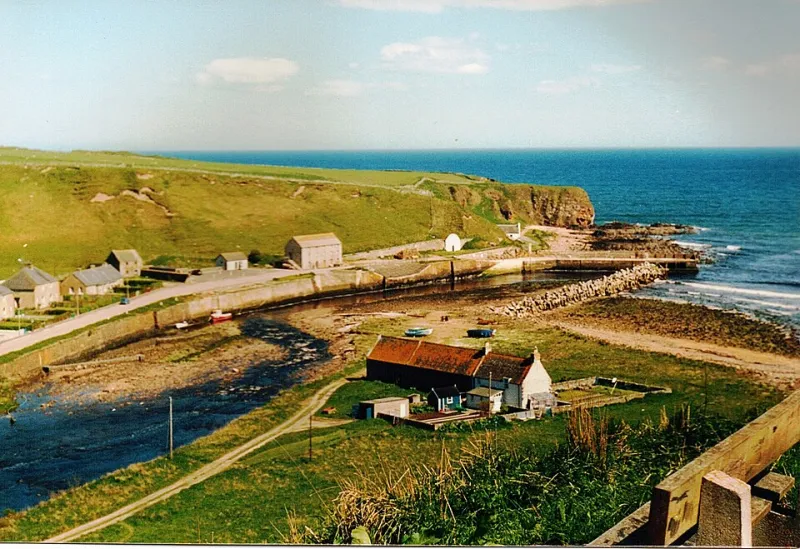
The harbour at Dunbeath is tidal, and the difference between high and low water transforms what you see. At low tide, the rocky shoreline opens up — pools appear, the geology of the coast becomes readable, and the whole place takes on a quieter, more exposed character. At high tide, the water fills the harbour basin and the village feels enclosed and sheltered in a completely different way.
Check the tide times before you go out on your first morning. Pick one low tide window and commit to being at the harbour for it. Walk the shoreline. Look in the rock pools. Sit on the harbour wall and watch the water move. That's it. That's the instruction. You don't need to do anything else with that time — just be present for it.
This single habit — timing one part of your day to the tide — will shift how you experience the whole visit. You start paying attention to natural rhythms rather than clock time, and Dunbeath starts to make a different kind of sense.
One Food Stop. Make It Count.
This isn't a place with a dozen competing restaurant options, and that's genuinely a feature rather than a limitation. Local produce — fish from the coast, game from the moor, soft fruit and vegetables from Caithness farms — is the foundation of what's available nearby, and the quality is excellent when you find it.
Ask locally about what's good right now. This is not a complicated research task. It's a conversation with whoever you're staying with, or the person behind the counter at the village shop, or someone you meet on the strath path. Highland hospitality is real and it's not performative — people here will tell you where to eat without you having to cross-reference a dozen review sites.
Bring a flask and something to eat for your walks. Pack less than you think you need. You will not starve.
What to Actually Pack
Here's the honest list for a long weekend in Dunbeath:
- Waterproof jacket and trousers. Non-negotiable. The weather changes quickly and the coast is exposed.
- Walking boots or sturdy trail shoes. The strath path can be boggy. Trainers are a bad idea.
- Layers. Three or four, not ten. A base layer, a mid-layer fleece, and your waterproof covers almost every scenario.
- A small daypack. For your walk essentials — water, snacks, phone, the OS map if you've got it.
- One good book. Because there will be an evening when the weather closes in and sitting by a window reading is genuinely the best possible use of your time.
That's more or less it. Leave the fancy camera equipment unless photography is genuinely your purpose. Leave the formal clothes. Leave the anxious itinerary document.
The Mindset Shift That Makes It Work
The thing about Dunbeath is that it doesn't perform for you. It doesn't have a visitor experience team or a themed attraction designed to generate shareable content. What it has is a real place with real history and a coastline that has been doing what it does for millennia.
The travellers who get the most out of it are the ones who arrive with the least expectation and the most willingness to simply be there. Walk the strath. Watch the tide. Eat something good. Sleep well. Repeat.
You'll come home lighter than you arrived, in every sense that matters.