Free, Unforgettable, Entirely Yours: Five Dunbeath Experiences That Cost Nothing
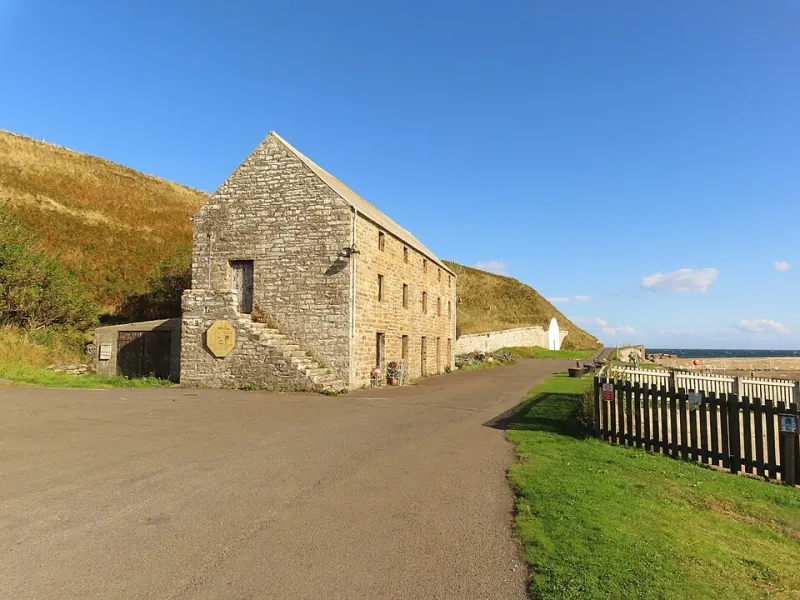
Photo: Colin Park , CC BY-SA 2.0, via Wikimedia Commons
There's a growing feeling among UK holidaymakers that something has gone slightly wrong with the way we travel. The itineraries packed with paid attractions. The restaurants chosen by algorithm. The experiences curated by someone else and delivered to us like a service. We arrive home with receipts and photographs, but not always with the sense of having genuinely been somewhere.
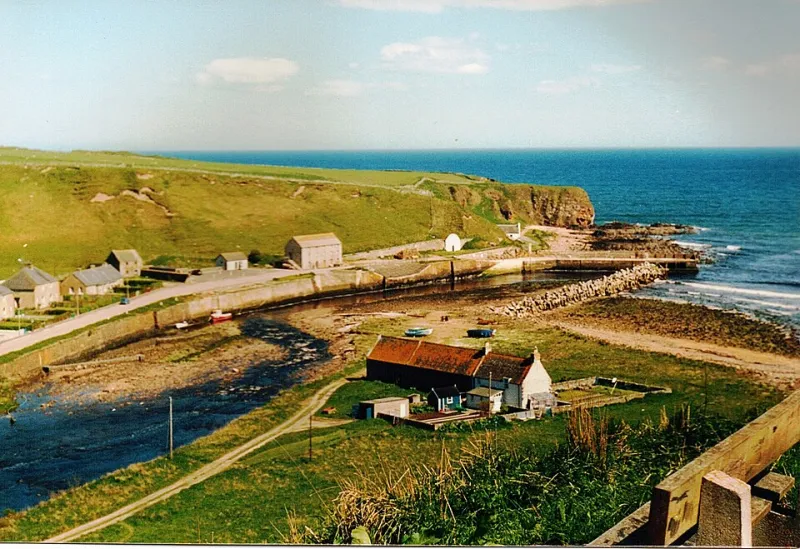
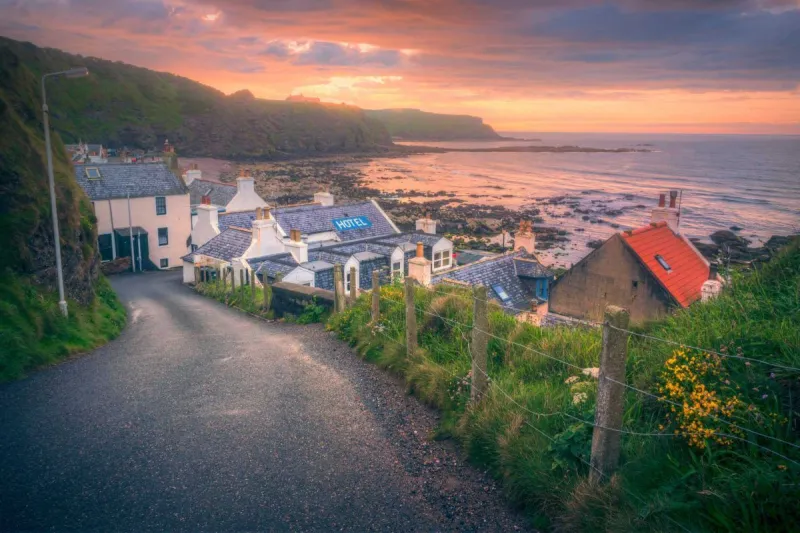
Dunbeath doesn't really operate that way. This small Caithness village — where the river meets the sea at the foot of a dramatic coastal valley — offers its best experiences freely and without fanfare. No booking required. No queuing. No entrance fee. Just you, the landscape, and whatever the weather has decided to do that day.
Here are five of those experiences. They cost nothing. They're not particularly easy to photograph for social media. And they have a habit of being the thing you remember most.
1. Watching a Storm Arrive Across the Moray Firth at Dawn
Set your alarm for something antisocial. Walk down to the harbour before the village wakes up. If the forecast has promised rough weather, you may be about to witness one of the most spectacular free shows in Britain.
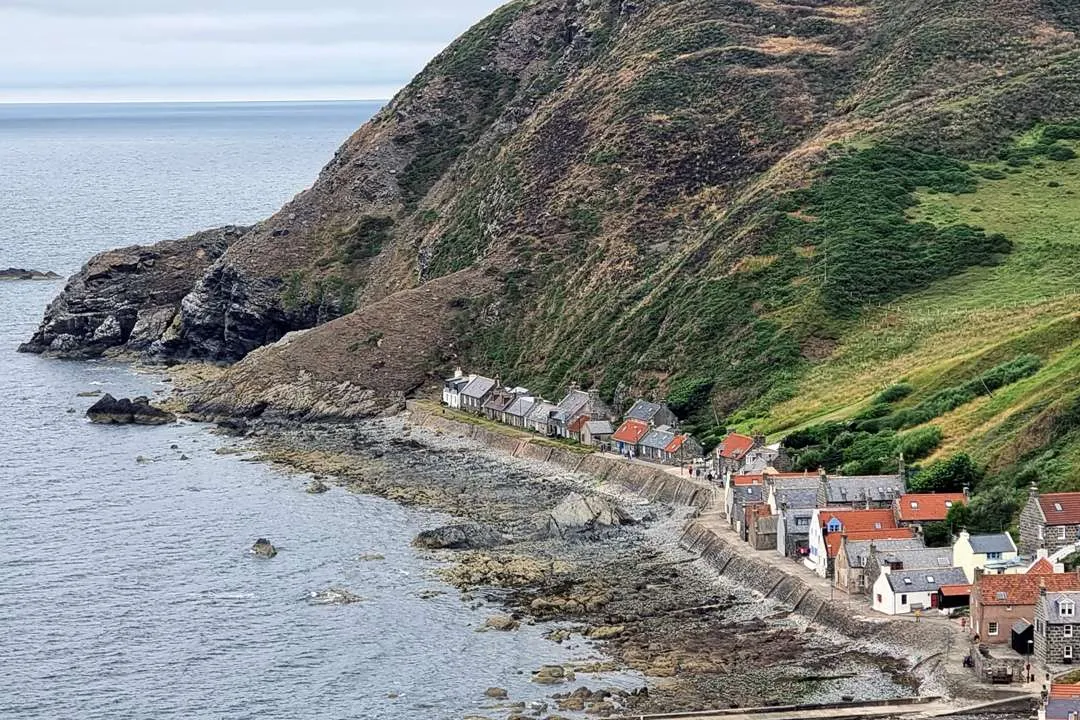 Photo: Moray Firth, via www.lovefromscotland.co.uk
Storms approach the Caithness coast from the east with a particular kind of theatre. They begin as a darkening on the horizon, a thickening of the sky over the Moray Firth, and then they come — the wind arriving first, carrying salt and cold, then the rain, then the full drama of a North Sea storm breaking against ancient stone. The harbour takes the brunt of it. The boats strain at their moorings. The sea turns from grey to white.
What makes this experience resonate isn't just the spectacle, though the spectacle is considerable. It's the feeling of standing in the path of something genuinely indifferent to your presence. Modern life insulates us from the natural world so thoroughly that most of us rarely encounter it on its own terms. A Dunbeath storm at dawn removes that insulation completely. You are small. The sea is enormous. This has been happening on this coastline since long before any of us arrived, and it will continue long after. There's something unexpectedly comforting about that, once the initial alarm fades.
Stay for the aftermath, too. After a storm passes, the light that comes in behind it — clean, washed, almost luminous — is unlike anything you'll see on a calm day.
2. Walking the Strath Path at Dusk When the Light Goes Amber
The Dunbeath Strath is the river valley that runs inland from the village, following the Dunbeath Water through ancient woodland and open farmland towards the hills beyond. It's a walk that many visitors overlook entirely, drawn as they are to the drama of the clifftops and coast. Their loss.
The strath at dusk, specifically in the hour before sunset when the light drops below the treeline and turns everything amber and bronze, is one of the most quietly beautiful environments in the north of Scotland. The river runs over smooth stones. The trees — birch and rowan mostly, with occasional stands of older oak — filter the low light into something almost theatrical. Herons stand motionless in the shallows. The only sounds are water and birdsong.
What the strath offers, that the coast doesn't quite, is intimacy. The valley holds you. The scale is human rather than overwhelming. And that shift in scale, after the grandeur of the cliffs and the open sea, produces a particular kind of calm — the feeling of being sheltered, contained, looked after by the landscape.
Neil Gunn, the writer who grew up in Dunbeath and drew heavily on this valley for his novels, understood something about the strath that's hard to articulate directly but easy to feel when you're there. It has a quality of memory to it. Walk it at dusk and you'll understand what he meant.
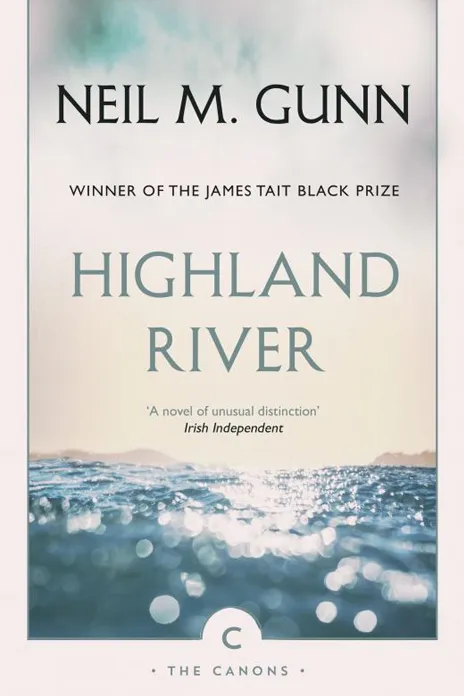 Photo: Neil Gunn, via foxedquarterly.com
3. Sitting with the Broch at Dunbeath
Perched on its promontory above the sea, the ruins of Dunbeath Broch are among the most atmospheric ancient sites on the entire Caithness coast — and visiting them costs nothing beyond the walk to get there.
Brochs are Iron Age towers, built by communities who understood both the defensive value of height and the psychological value of presence. This one has been standing in some form for around two thousand years. The walls are thick. The stonework, even in ruin, communicates something about the people who built it — their patience, their skill, their determination to make something that would last.
Sit here for a while. Not to photograph it, not to check it off a list, but simply to sit. The sea is visible in three directions. The wind comes off the water uninterrupted. On a clear day, the horizon stretches further than seems possible.
The experience of sitting with an ancient structure, in a landscape that hasn't changed dramatically since it was built, has a particular effect on the mind. The compressed timescales of modern life — the news cycle, the notifications, the constant forward momentum — lose their grip somewhat. Two thousand years of weather have passed over these stones. Whatever is worrying you this week is, in that context, briefly and helpfully small.
4. Following the Tide Out at the Harbour
This one requires a bit of timing — check a tide table before you go — but the reward is entirely worth the modest planning effort.
As the tide drops at Dunbeath Harbour, it reveals a world that exists nowhere else. Rock pools appear, each one a contained ecosystem: anemones, small crabs, darting fish, starfish arranged on stone as if placed by hand. The smell changes as the sea retreats — salt and kelp and something ancient and mineral. The boats settle at new angles. The harbour walls, exposed below the waterline, show different textures and colours: green weed, barnacled stone, the marks left by decades of tidal movement.
Following the tide out is not a dramatic experience in the way that a clifftop storm is dramatic. It's quieter than that, more meditative. But there's something deeply satisfying about watching the sea withdraw and reveal what it normally keeps hidden. It feels like a confidence, somehow — the landscape showing you something it doesn't show everyone.
Bring children if you have them. The rock pools at low tide in Dunbeath are the kind of thing that produces lifelong memories, the kind that surface years later without warning.
5. Standing at the Clifftop as the Sun Sets Behind the Strath
The final experience on this list is perhaps the simplest, and perhaps the most powerful.
On a clear evening, walk to the clifftop north of the harbour and face west. The sun will set not over the sea — as you might expect — but over the hills that frame the strath, and the effect is extraordinary. The valley below you fills with shadow while the clifftops remain in light. The sea to the east takes on a deep, saturated blue. The sky above the hills turns through every shade from gold to rose to violet.
Dunbeath sits at a latitude where summer sunsets are genuinely protracted affairs. The light lingers. The colours deepen and shift over the course of an hour or more. And in that extended, unhurried transition from day to dark, something happens to most people that's difficult to explain without sounding slightly earnest: you feel, briefly but unmistakably, that you're in exactly the right place.
That feeling — of being present, unhurried, and genuinely somewhere — is what Dunbeath does best. And it doesn't cost a thing.