Light, Stone and Sea: An Amateur Photographer's Complete Guide to Shooting Dunbeath
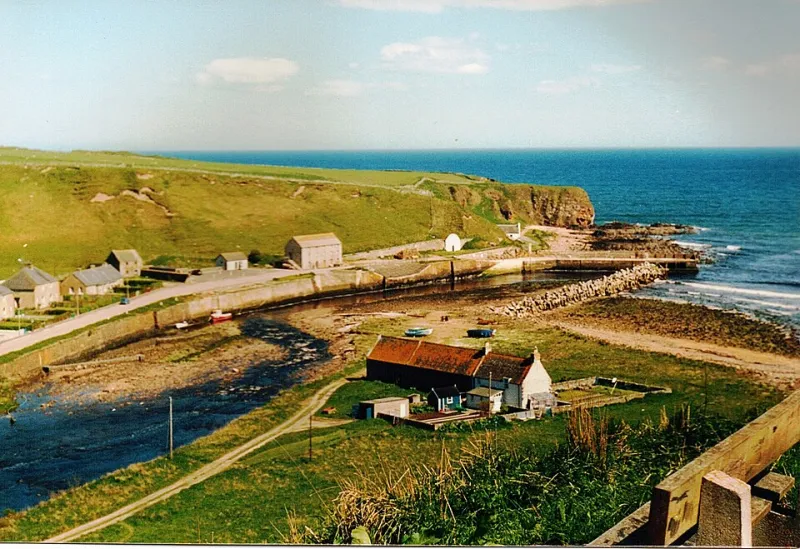
Photo: John MacKenzie , CC BY-SA 2.0, via Wikimedia Commons
Light, Stone and Sea: An Amateur Photographer's Complete Guide to Shooting Dunbeath
There's a particular kind of frustration that comes from arriving somewhere beautiful with a camera, taking a hundred shots, and returning home with nothing that quite captures what you felt standing there. Dunbeath, thankfully, is not that place. Something about the way light behaves along this stretch of the Caithness coast — the way it bounces off harbour water, rakes across ancient stonework, and ignites clifftop grass at golden hour — means the gap between what you see and what your camera records feels unusually small here.
You don't need professional gear. You don't need years of experience. What you do need is a rough sense of where to go, when to go there, and what to look for when you arrive.
Why Dunbeath Works So Well on Camera
Most photography guides focus on grand, famous landscapes — the kind of places where a thousand photographers have already stood before you, framing the same shot. Dunbeath offers something rarer: genuinely unworked terrain. The village sits where the Dunbeath Water meets the North Sea, and that collision of river, harbour, clifftop and open sea creates a layered visual environment that rewards patience and curiosity in equal measure.
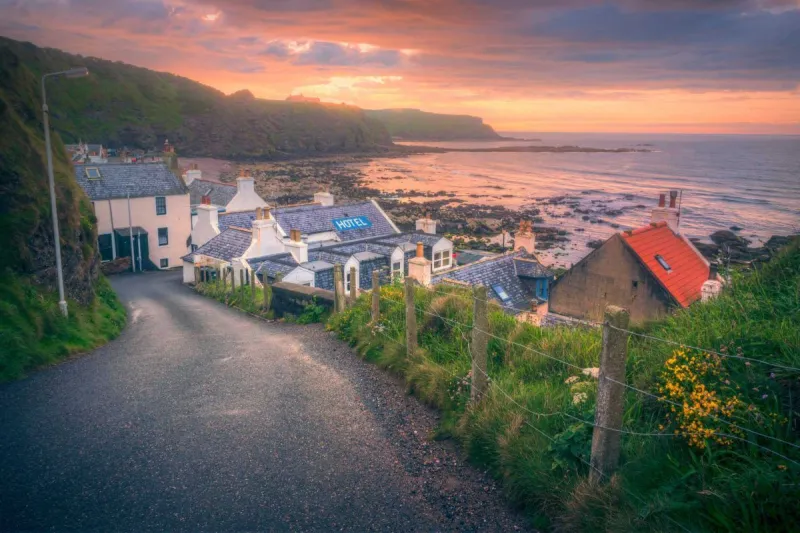
The light here is also different from further south. The latitude means longer, lower-angled golden hours, particularly in late spring and summer when the sun barely dips before rising again. That warm, directional light — the kind photographers chase across the Highlands — lingers for hours rather than minutes. Even overcast days have a quality of their own: the diffused silver light that settles over the harbour on grey mornings is extraordinary for reflections, and storms rolling in across the Moray Firth produce dramatic, fast-moving skies that are almost impossible to photograph badly.
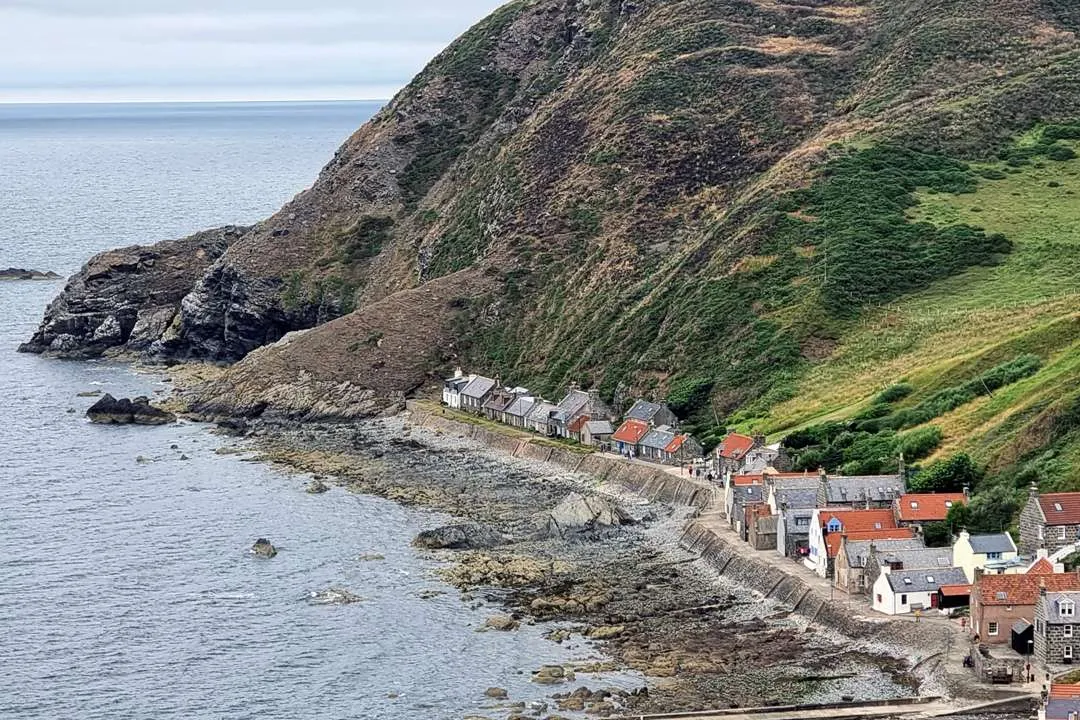 Photo: Moray Firth, via www.lovefromscotland.co.uk
The Harbour: Your Starting Point
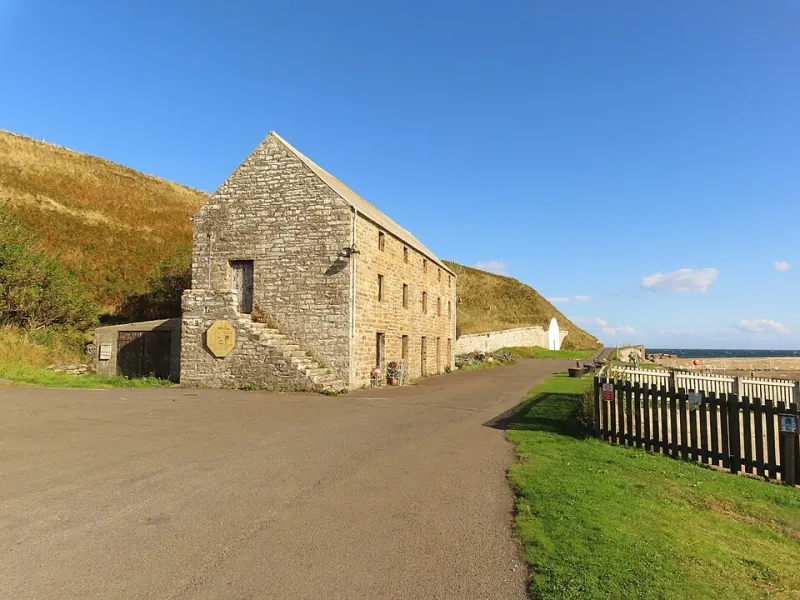
Dunbeath Harbour is where most photographers naturally gravitate, and for good reason. The small, stone-built harbour has an authenticity that's increasingly hard to find along the British coast — working boats, weathered rope, salt-stained walls. At low tide, the exposed rock pools create natural foreground interest that draws the eye into the frame. At high tide, the water reflects the surrounding cliffs and sky in ways that can feel almost painterly.
The best time to shoot the harbour is within an hour of sunrise, particularly on calm mornings when the water surface is undisturbed. Long exposures work beautifully here — even a two or three second exposure on a smartphone will smooth the water into something that looks deliberate and considered. Bring a small travel tripod; it makes a genuine difference.
Evening light hits the harbour from the west, catching the stonework in warm tones that contrast nicely with the cool blue of the sea beyond. Aim to be there roughly an hour before sunset and stay until the sky fades — the transition period between golden hour and blue hour often produces the most interesting colour combinations.
The Clifftops: Drama on Demand
The clifftop walk north of the harbour is where Dunbeath shifts from charming to genuinely dramatic. The sea stacks, wave-cut platforms and sheer drops provide ready-made compositional structures — leading lines, natural frames, foreground-to-background depth — that would take considerable effort to find elsewhere.
For wide-angle clifftop shots, overcast days often work better than bright sunshine. The even light prevents the harsh shadows that can flatten texture and detail in rock faces. If you're shooting on a smartphone, use the portrait or pro mode to manually adjust exposure — clifftop shooting in mixed light can confuse automatic metering.
Mid-morning in summer, when the sun is still relatively low and the sea takes on that deep blue-green colour, is ideal for capturing the full sweep of the coastline. The ruins of Dunbeath Castle, visible from various clifftop vantage points, add a human and historical element that contextualises the landscape beautifully.
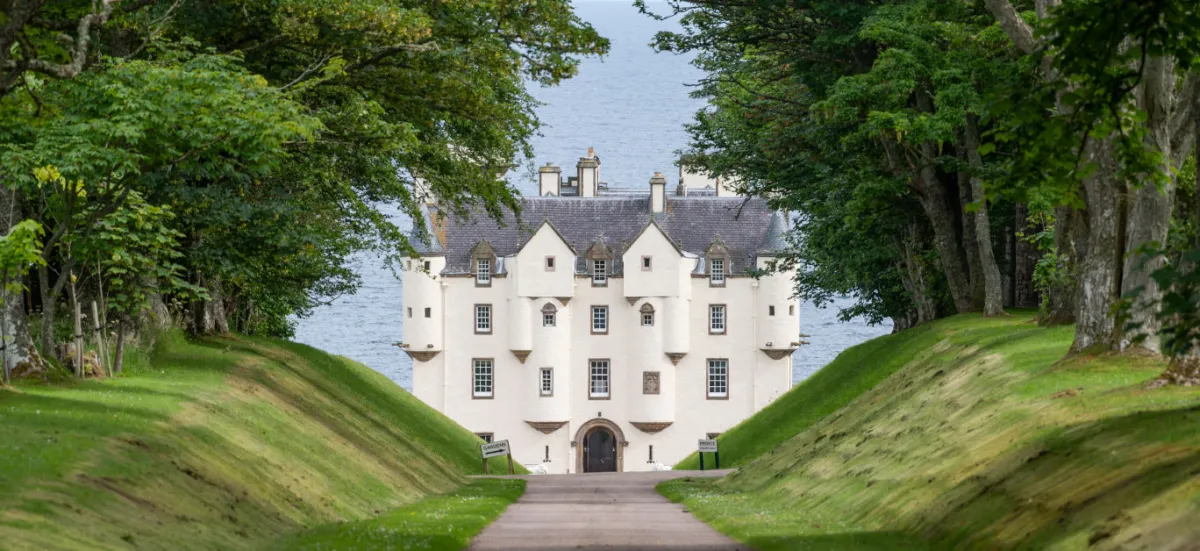 Photo: Dunbeath Castle, via www.luxurylifestylemag.co.uk
The Strath: A Completely Different Palette
Many visitors never leave the coastal strip, which means they miss one of Dunbeath's most photogenic environments entirely. The strath — the broad river valley that runs inland from the village — has a completely different visual character: soft greens, ancient woodland, the gently winding Dunbeath Water threading through it all.
The strath rewards photographers at dusk, when the light turns amber and the long shadows of riverside trees create patterns across the valley floor. It's also a wonderful location for wildlife photography — herons are a regular presence along the riverbank, and the woodland holds red squirrels for those patient enough to wait.
For portrait-oriented compositions, the old stone bridges and footpaths through the strath provide natural framing opportunities. This is also the place to experiment with slower shutter speeds for silky water effects on the river — the Dunbeath Water has enough flow to create movement in your images without being so fast that the effect becomes overdone.
Practical Tips for Getting the Best from Dunbeath
A few things worth knowing before you go:
Check the tides. Harbour and coastal shots change dramatically with the tidal cycle. Low tide exposes rock formations and creates reflective pools; high tide gives you cleaner compositions with more water in frame. The local tide times are easy to find online and worth noting before you plan your shooting schedule.
Embrace bad weather. It sounds counterintuitive, but some of the most compelling images from Dunbeath are made in challenging conditions. A storm rolling in produces skies that no filter can replicate. Keep your camera dry with a simple rain cover — a freezer bag with a hole cut for the lens works perfectly well — and don't retreat to the car the moment clouds appear.
Shoot early, stay late. The midday hours, particularly in summer, produce flat, harsh light that's nobody's friend. The classic advice to be out at golden hour applies doubly in the Highlands, where those hours are both longer and more spectacular than anywhere in England.
Look for the small details. Dunbeath's story is told as much in close-up as in wide angle: the texture of lichen on a harbour wall, a coil of rope, a weathered door. Some of the most resonant images from this part of the Highlands are intimate rather than expansive.
The Image That Stays With You
Professional photographers talk about 'the shot' — the single image from a trip that distils everything. In Dunbeath, that image tends to arrive unexpectedly: a shaft of light breaking through cloud onto the harbour, a heron lifting from the river at dusk, the castle ruins silhouetted against a burning sky. The village has a habit of producing these moments without warning, which is perhaps the best argument for spending more than a single day here with a camera.
The Highlands have been photographed extensively, but Dunbeath still feels like a place with images left unclaimed. For an amateur photographer, that's about as good as it gets.