The Moment You Start the Engine: On Leaving Dunbeath Behind
I've left a lot of places. Hotels in cities where the checkout is brisk and the cab is already waiting. Rental cottages in the Lakes where you strip the beds and hand back the key and feel, honestly, fine about it. Campsites in Brittany, B&Bs in Pembrokeshire, a very average apartment in Lisbon that I'd been perfectly happy to vacate. Leaving is usually the easy part of travel. You've had your time. You move on.
Dunbeath is different. I can't fully explain why, but I'm going to try.
The Morning of Departure
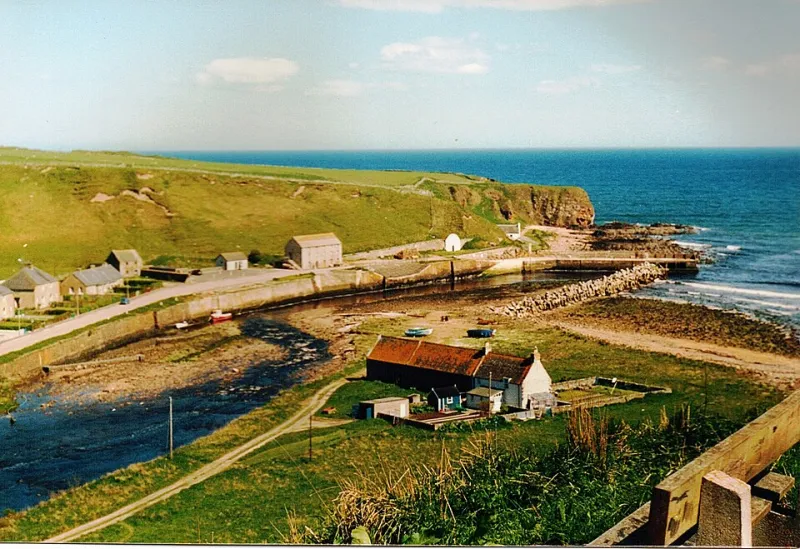
It starts the night before, if I'm honest. You're sitting with a cup of tea, watching the light go strange over the harbour — that particular Caithness dusk that turns the sea the colour of pewter and makes the sky look like a painting someone left unfinished — and you feel the first small tug of it. Not sadness exactly. More like a quiet reluctance to let the moment pass.
The morning itself has a quality that doesn't help. Dunbeath mornings, even grey ones, have a stillness that feels almost deliberate. The burn is audible before you open the curtains. The gulls are doing their thing above the harbour. Someone is already down at the boats. The village is awake in the way that working places are awake — purposeful, unhurried, entirely indifferent to your schedule.
You make coffee. You stand at the window longer than you planned to. You tell yourself you'll just walk down to the harbour one last time, and you do, and then you stand there for twenty minutes watching the water move through the mouth of the bay, and you think: I could stay another day. The thought arrives fully formed, like it's been waiting.
What the Psychologists Would Say
There's a concept in environmental psychology called 'place attachment' — the emotional bond that forms between a person and a particular location. It's been studied extensively, and the researchers who spend their time on this sort of thing have identified a few consistent triggers: sensory richness, a sense of human scale, the feeling that a place has a coherent identity rather than an interchangeable one.
Dunbeath scores unusually well on all three counts. The sensory experience here is layered in a way that urban environments rarely manage — the smell of salt and peat, the sound of the burn running through the strath, the physical texture of old stone under your hand. The village is small enough to feel comprehensible; you can hold its geography in your head. And it has an identity so particular, so rooted in its own geology and history and literary heritage, that it feels genuinely irreplaceable. There is nowhere else quite like it.
Psychologists would also point to the role of contrast. You've spent however many days here moving at a different speed, sleeping better than usual, eating simply, having conversations that went somewhere. The return to the motorway isn't just a journey home — it's a return to a mode of living that feels, in comparison, slightly too fast and slightly too loud. No wonder the engine feels reluctant to start.
Voices from the Road North
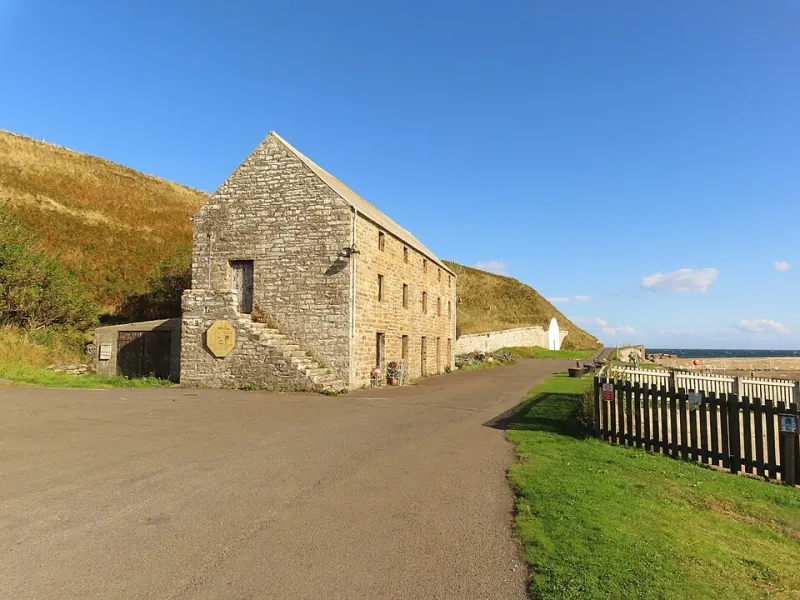
I've spoken to enough people who've made this journey to know the experience is shared. A couple from Bristol who discovered Dunbeath almost by accident — a detour off the A9 that turned into three days — described sitting in the car park at the bottom of the village for a full ten minutes before they could bring themselves to pull out. 'We'd already planned the next trip before we hit the Berriedale Braes,' the woman told me. 'We were still technically in Caithness.'
A solo traveller from Edinburgh, who'd come up to walk the strath and ended up staying four nights instead of two, put it differently: 'It wasn't that I didn't want to go home. It was that Dunbeath had reset something in me, and I knew that whatever I'd reset would start winding up again the moment I joined the A9. I wanted to stay in the reset state for a bit longer.'
That phrase — the reset state — has stayed with me. It captures something that's difficult to express but immediately recognisable to anyone who's spent time here.
The Road South and What It Feels Like
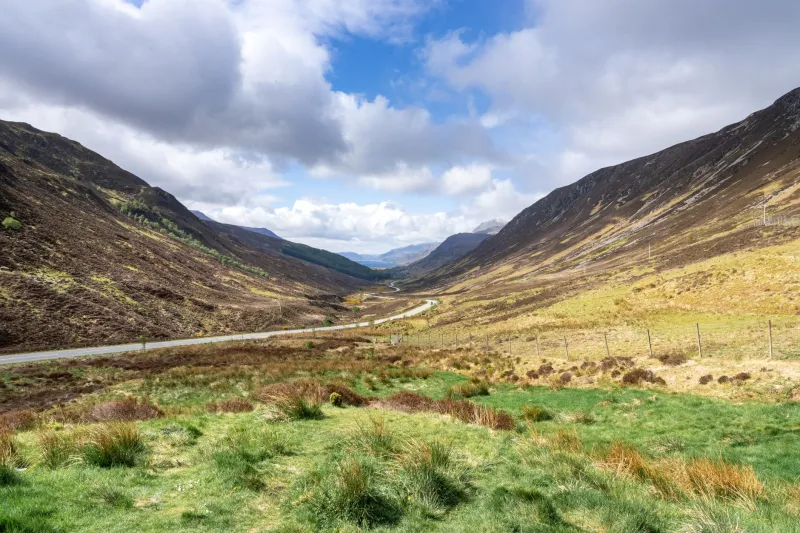
The drive away from Dunbeath is beautiful, which is both a comfort and a cruelty. The A9 south of the village runs through some of the most dramatic coastal scenery in Britain. The Berriedale Braes drop away beneath you in a series of steep, sweeping bends that demand your full attention, and by the time you've navigated them and the road opens up again, Dunbeath is already out of sight.
But it's not out of mind. Not for a while. You find yourself doing the maths — how long it would take to come back, whether you could manage a long weekend in October, whether the cottage you stayed in takes last-minute bookings. The planning is a coping mechanism, and it works, because the return trip is already becoming a real thing rather than a vague aspiration by the time you reach Helmsdale.
By Inverness, you've accepted that you're going home. By Perth, the motorway has reasserted its logic and the rhythm of ordinary life is already audible in the background. But something lingers — a residue of the place that doesn't quite wash off.
Why It Matters
The fact that Dunbeath is hard to leave isn't a trivial observation. It points to something that matters about what this village offers, and why it's worth the drive north in the first place.
Not every place leaves a mark. Most don't. Dunbeath does, and the mark it leaves is the kind that makes you a slightly different person than you were when you arrived — more patient, perhaps, or more attentive to small things, or simply more aware of the fact that there are places in this country where time genuinely moves differently.
The engine will start eventually. The road will take you south. But Dunbeath will wait, exactly as you left it, for whenever you find your way back.
And you will find your way back. Everyone does.