Two Coaches, a Bicycle and a Pair of Boots: Reaching Dunbeath Without a Car
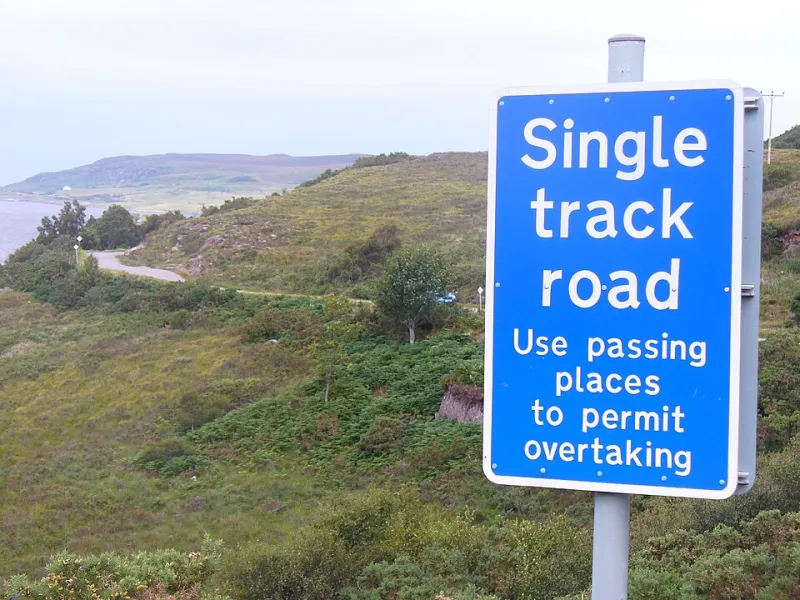
Photo: Colin Smith , CC BY-SA 2.0, via Wikimedia Commons
There's a particular kind of Highland visitor who arrives by car, sees the village in ninety minutes and leaves with a photograph of the harbour. That's fine. But Dunbeath rewards a slower arrival, and the slowest arrivals are the ones without a steering wheel. Going car-free here isn't a stunt or a penance. It genuinely changes the shape of the day, mostly for the better, occasionally for the wetter.
Here's what actually works.
The train gets you close, not there
The Far North Line from Inverness is one of the great railway journeys in Britain, and it will drop you at Helmsdale to the south or Thurso to the north. Neither is Dunbeath. From Helmsdale you're looking at roughly twenty miles of A9; from Thurso, considerably more. So the train is the first leg, not the whole answer, and you'll need to pair it with a coach or a bike.
The good news is that the long-distance coach running up the A9 between Inverness and Wick calls in at Dunbeath itself. That single fact is the key to the whole trip. Book ahead where you can, sit on the correct side for the sea views, and accept that timetables in the far north are designed around people getting to work and hospital appointments, not around your sightseeing. Check current times on Traveline Scotland the week you travel rather than trusting anything written months ago, including this.
What the coach journey is actually like
Slow, in a good way. You climb out of Inverness, cross the Dornoch Firth, and then the road begins to behave like a road in a different country — single carriageway, sweeping bends, sudden views of oil rigs at Nigg, then long green miles of moor. The last stretch north of Helmsdale includes the Berriedale Braes, a pair of hairpins that makes everyone in the coach lean slightly. It is genuinely dramatic, and you get to look at it properly instead of gripping a wheel.
Bikes: the beautiful, windy middle way
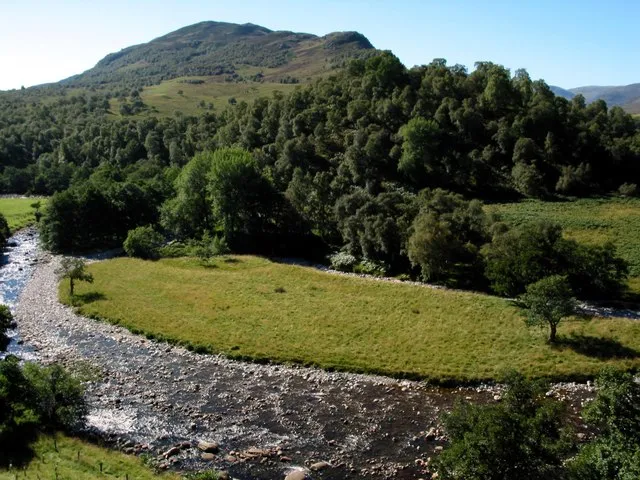
Sustrans National Cycle Network Route 1 threads through this part of the world, and the minor roads behind the coast are often empty for miles. On a good day, cycling into Dunbeath is one of the finest approaches you can make to a Scottish village.
On a bad day, the wind is a wall. Caithness and Sutherland weather arrives from the sea with nothing to slow it down, and a headwind on an exposed moor road can turn a two-hour ride into four hours of character-building. Take the wind seriously when planning distances, and don't over-face yourself. The A9 itself carries fast traffic and narrows in places; the quieter parallel roads are worth the extra miles.
Trains carry bikes, but spaces are limited and reservation is usually required. Book the bike slot when you book the ticket, not after.
Boots: arriving under your own steam
Sections of the John o' Groats Trail run through this stretch of coast, and if you're a confident walker with a taste for rough ground, walking in is unforgettable. Be realistic, though: this is not a manicured long-distance path. Expect bog, cliff edges, stiles that need climbing and waymarking that is sometimes more of a suggestion than an instruction. Do it in good weather, with a paper map as backup, and tell someone your plan.
For most visitors, the sensible version is to arrive by coach and then walk the village, the harbour and the strath on foot for the rest of the day. That's the sweet spot.
Luggage, food and the weather card
There's no left luggage and no taxi rank worth relying on, so pack as though you'll be carrying it — because you will. A single 40-litre rucksack is about right for a couple of nights. Buy food in Helmsdale or Wick before you arrive; village supplies are thin, and the nearest big supermarket is a long way from here.
And build in slack. A missed connection in the far north isn't the end of the world, but it can mean two hours in a bus shelter with a book, which is either a disaster or the whole point depending on your temperament. Bring the book, a flask and a proper waterproof. The weather here doesn't do drizzle so much as sideways commitment.
Why it's worth the faff
Arriving without a car strips out the option of leaving early. You can't nip off to the next village for dinner. You are, briefly, stuck with Dunbeath, and Dunbeath turns out to be excellent company. You'll notice the tide coming in rather than checking it on a phone. You'll walk the same short stretch of road three times and see something different on each pass — a seal, a rainbow, a neighbour's cat with opinions about your route.
It's a small adventure with a low carbon footprint and a high tolerance for sitting still. Which, for a village like this, is exactly the right frame of mind.