Four Seasons, One Village: The Case for Returning to Dunbeath Again and Again
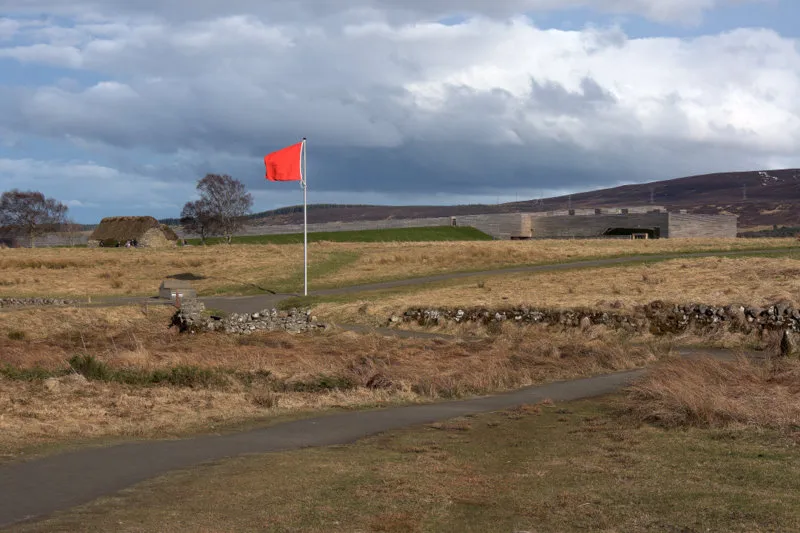
Photo: Mike Pennington, CC BY-SA 2.0, via Wikimedia Commons
There's a particular kind of place that doesn't give itself away quickly. You can spend three days there, walk every path, visit every viewpoint, eat well, sleep soundly, and leave with the comfortable feeling that you've seen it. Then you come back six months later and realise you'd barely scratched the surface.
Dunbeath is emphatically that kind of place. It's a village that holds different versions of itself depending on when you arrive, and those versions are different enough to feel genuinely distinct — not just variations on a theme, but separate experiences that happen to share geography.
This isn't a marketing claim. It's something that repeat visitors say, unprompted and consistently. The question isn't really whether you should come back. It's more about understanding what you'll find when you do.
Spring: When Everything Wakes Up at Once
April and May in Dunbeath feel like a collective exhale. After a winter that can be genuinely relentless — long, dark, wet, and windy in ways that are bracing even to locals — the change in light is almost shocking. The days lengthen fast at this latitude, and by late April the evening sky is still pale at nine o'clock in a way that never quite loses its novelty.
The seabird colonies along the cliffs begin arriving in earnest through April. Fulmars, which have been present in small numbers through winter, are joined by kittiwakes, razorbills, and guillemots. The clifftop walk above Dunbeath harbour becomes, for a few weeks, an extraordinary piece of theatre — noise, movement, and the particular smell of a working seabird colony carried on the onshore breeze.
In the strath, the river runs high with snowmelt and spring rain. The banks green up quickly once the temperature rises, and the path that follows the water inland through the glen becomes one of those walks that makes you feel genuinely lucky to be exactly where you are. Brown trout are active in the river by May, and if you have any interest in fly fishing, this is the moment to enquire locally about access.
Spring visitors also catch Dunbeath in a mood of purposeful quiet — the tourism season hasn't properly begun, the locals are busy with the year's early work, and the village has an unhurried quality that's different from both the bustle of summer and the hibernation of winter.
Summer: The Full Unfolding
June through August is when Dunbeath is most conventionally beautiful, and there's no point pretending otherwise. The light on a clear summer day here is something genuinely special — long, low, and golden for hours at a time, particularly in the evenings, when the sun swings north and west and the sea turns colours that seem to belong to a different climate entirely.
The strath wildflowers are at their peak through June and July: meadowsweet, ragged robin, and various orchid species on the damp ground; thrift and sea campion on the cliffs; heather beginning to purple the moorland by late July. For anyone with an interest in botany — or simply in walking through landscapes that are actively beautiful rather than merely impressive — this is the season to be here.
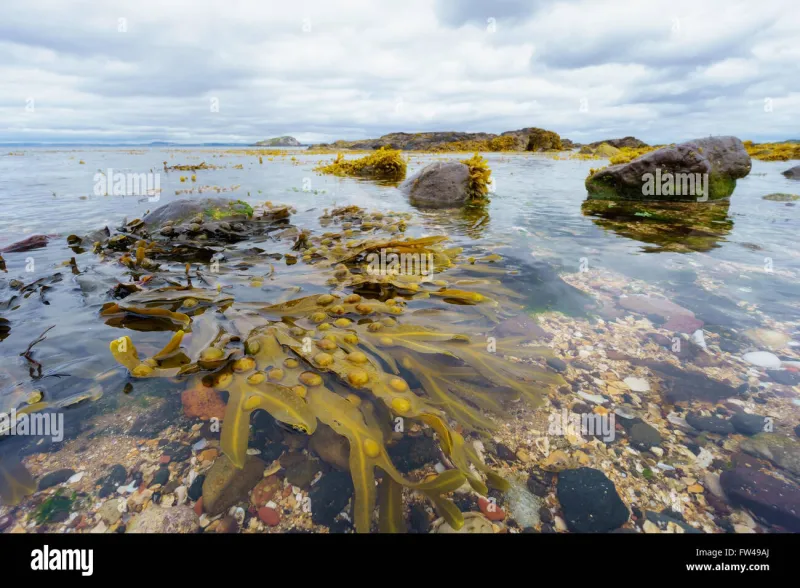
Summer also brings longer opportunities for coastal exploration. The rock pools below the harbour are accessible for extended periods around low tide, and the calmer seas make kayaking or paddleboarding viable for those with the equipment and experience. Mackerel come inshore through July and August, and sea fishing from the harbour or nearby rocks is productive and genuinely enjoyable even for beginners.
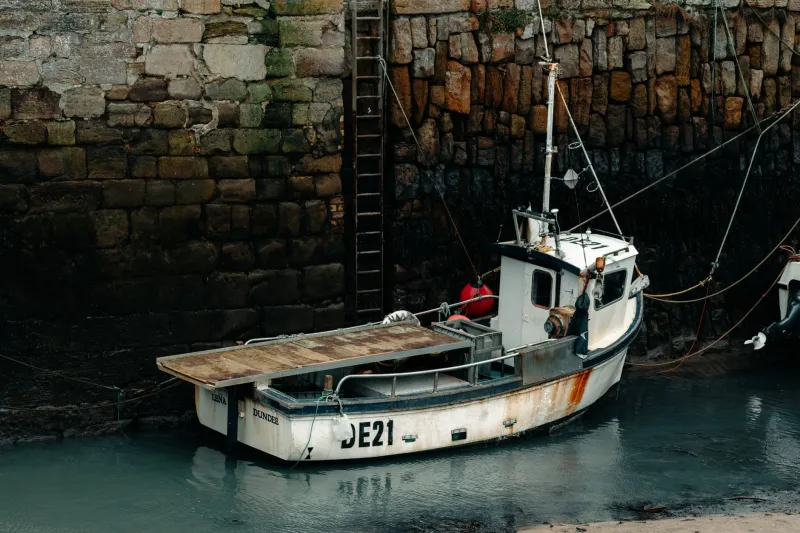
The practical note is that accommodation books up earlier than many visitors expect. Dunbeath isn't a large tourist centre, and the available rooms and cottages are limited. If summer is your season, plan ahead.
Autumn: The Overlooked Jewel
September and October are, in the opinion of many who know Dunbeath well, the finest months of the year — and the most underappreciated by first-time visitors who've already pencilled in a summer trip.
The quality of the light changes dramatically through autumn. The sun sits lower, the shadows lengthen earlier, and the whole landscape takes on a warmth and depth that summer, paradoxically, doesn't quite match. Photographers who've visited in both seasons often say the same thing: autumn light in Caithness is extraordinary in a way that's difficult to explain until you've experienced it.
Migration is the other reason to be here in autumn. Dunbeath's position on the north-east coast makes it a significant waypoint for birds moving south — waders, wildfowl, and various passerines pause along the strath and shore. For birdwatchers, late September and early October can produce genuinely exciting sightings, including occasional rarities blown in from Scandinavia on easterly winds.
The strath itself takes on different colours as the season progresses: bracken turning bronze, rowans laden with red berries, the moorland grasses shifting from green to gold. Walking the glen path in October is a different experience from the same walk in June — quieter, more contemplative, and in its own way more affecting.
Winter: The Honest Season
Winter in Dunbeath is not for everyone, and it would be misleading to suggest otherwise. From November through February, the weather can be genuinely harsh — storms that rattle windows, days when the cloud sits so low it swallows the clifftops entirely, weeks when the sea is a uniform grey from horizon to harbour wall.
But there's something about Dunbeath in winter that its most devoted visitors return for specifically. The village is stripped back to its essentials. The short days and long evenings have a quality of enforced stillness that's hard to find elsewhere. And the dramatic weather events — proper North Sea storms, frost-sharp clear days when the visibility stretches for impossible distances, rare snow that transforms the strath into something out of a different century — are available only to those who show up in the difficult months.
The winter light, when it comes, is also genuinely stunning. On a clear January morning, the low sun throws long shadows across the harbour and catches the wave tops in a way that makes even a quick walk to the shore feel like a significant event. Stargazing, meanwhile, is at its most accessible in winter — darker skies, longer nights, and the aurora australis visible on occasion when conditions align.
Planning the Return Visit
The practical question, if you've visited once and want to build a pattern of return trips, is simply one of timing. Think about what you haven't seen yet: if you came in summer, consider spring or autumn for the wildlife transitions. If you've only experienced Dunbeath in good weather, a winter visit will give you a version of the place that's equally real and arguably more memorable.
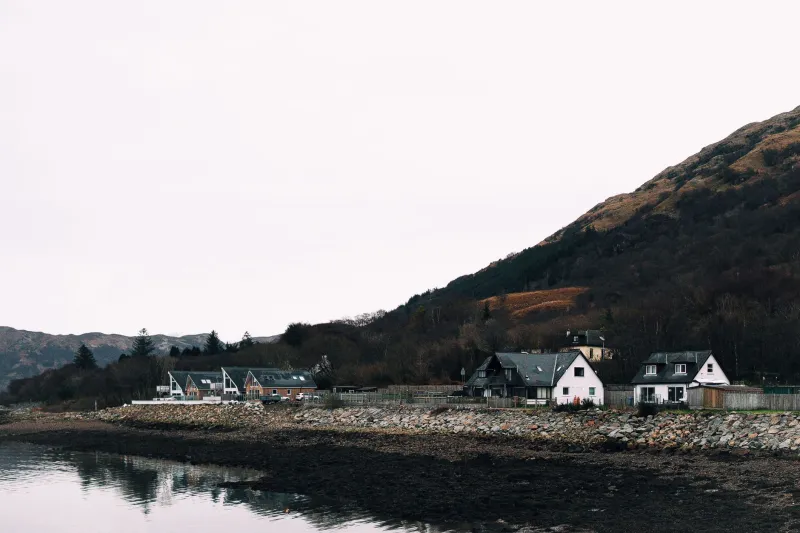
Accommodation is less pressured outside the summer peak, and prices often reflect that. The village and its surroundings feel different when they're not at their most visited — more personal, more accessible, more willing to share their quieter aspects with anyone who makes the effort to arrive.
The people who love Dunbeath most deeply tend to have accumulated it gradually, over years and visits and seasons. There's no shortcut to that kind of knowledge. But there's a very straightforward way to begin acquiring it: come back. Come back in a different month, in different weather, with different expectations. The village will meet you where you are.