Following Neptune's Schedule: Why Tidal Timing Transforms Your Dunbeath Adventure

Following Neptune's Schedule: Why Tidal Timing Transforms Your Dunbeath Adventure
I arrived in Dunbeath clutching a meticulously planned itinerary—castle visit at 10am, coastal walk at 2pm, pub dinner at 7pm. By day three, I'd abandoned my schedule entirely, replacing it with something far more reliable: the ancient rhythm of the tides. That decision transformed a good Highland holiday into an unforgettable immersion in coastal magic.
The revelation came when I missed my planned harbour visit, arriving instead during a spectacular low tide that revealed secrets invisible at high water. Suddenly, the rigid tourist schedule seemed not just unnecessary but actively harmful—a barrier between visitor and the natural rhythms that have shaped this coast for millennia.
The Morning Tide Revelation
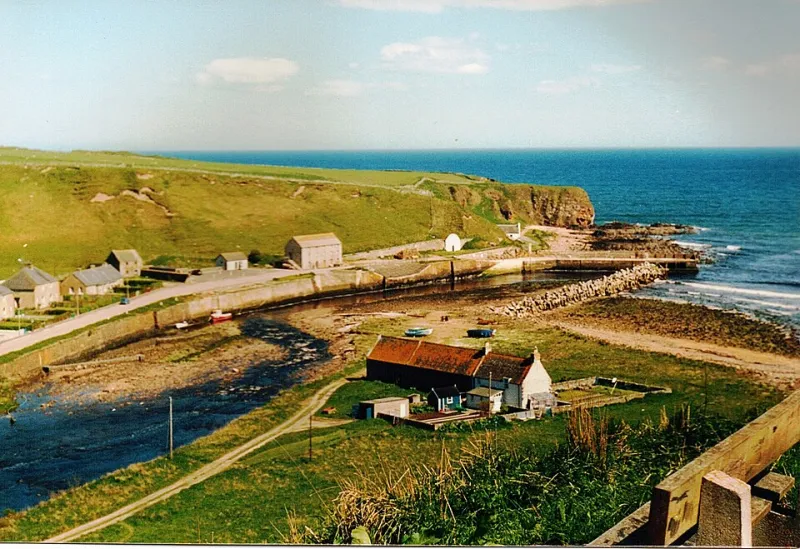
Low tide at dawn became my daily pilgrimage. While other visitors slept, I discovered Dunbeath's hidden personality. The harbour, normally a picturesque fishing port, transformed into an archaeological site. Ancient stone piers emerged from retreating waters, their construction techniques visible for the first time. Seaweed-draped chains revealed the harbour's working history, while rock pools became miniature aquariums showcasing marine life normally hidden beneath Atlantic depths.
Local photographer Morag MacKenzie, whom I encountered during one of these dawn expeditions, confirmed my instinct. "Tourists always ask when to visit the harbour," she explained, adjusting her tripod to capture the emerging stonework. "I tell them: forget the opening hours, follow the tide tables. Low tide reveals the harbour's soul."
She was right. High tide creates postcard views, but low tide tells stories. I discovered Victorian drainage channels, ancient anchor points, and fish-processing areas that spoke to Dunbeath's maritime heritage more eloquently than any museum display.
Coastal Walking by Neptune's Clock
My original plan allocated two hours for coastal walking, but tidal timing revealed this arbitrary approach missed the point entirely. Different tides create completely different walking experiences along the same stretch of coastline.
High tide transforms the clifftop path into a front-row seat for oceanic drama. Waves crash against rocks with thunderous percussion, sending spray high enough to taste salt on your lips. The sea appears infinite, stretching unbroken to horizons that seem impossibly distant. This is Highland coast at its most romantic and overwhelming.
Low tide offers intimacy instead of grandeur. Descending to newly exposed beaches, I discovered caves accessible only during specific tidal windows. Hidden coves revealed themselves, perfect for contemplative picnics or beachcombing expeditions. The sea, retreating to reveal its secrets, invited exploration rather than simply observation.
Mid-tide provided the perfect compromise—dramatic enough for photographs, accessible enough for rock-pooling. I learned to time my walks not by my energy levels but by water levels, discovering that nature's schedule offered far more variety than any human itinerary.
Wildlife Watching with Tidal Wisdom
The tide chart became my wildlife guide, predicting animal behaviour with remarkable accuracy. Seabirds follow tidal patterns religiously, and understanding their schedule dramatically improved my wildlife encounters.
Turnstones and oystercatchers feed frantically during low tide, probing exposed rocks and seaweed for invertebrates. Arrive during their feeding frenzy, and you'll witness behaviour invisible at high water. Curlews patrol the tideline with methodical precision, their haunting calls echoing across empty beaches.
High tide concentrates feeding birds on smaller areas, making photography easier but behaviour less natural. The best compromise? Arriving one hour before low tide, when birds begin their feeding but remain unhurried, allowing close observation without disturbance.
Seals follow tidal patterns too. They haul out on exposed rocks during low tide, basking in whatever sunshine Caithness provides. High tide forces them into the water, where they become curious about human visitors, often approaching swimmers and kayakers with playful boldness.
The Harbour's Tidal Personality
Dunbeath Harbour reveals different personalities throughout the tidal cycle, each worth experiencing. High tide creates a working port atmosphere—boats floating proudly, the water deep enough for imagining maritime adventures. The harbour walls frame reflections perfectly, creating Instagram-worthy shots that capture Highland coastal romance.
Mid-tide offers the best of both worlds. Boats rest at accessible heights for admiring traditional construction techniques, while sufficient water remains for watching fish jump and seabirds dive. This is the tide for families—safe for children to explore while offering enough maritime atmosphere to feel authentically Highland.
Low tide transforms the harbour into an open-air museum. Exposed foundations reveal construction secrets, while stranded rockweed provides habitat for creatures normally hidden underwater. The harbour's working history becomes tangible—you can walk where fishermen once loaded their catches, examine the stone craftsmanship that has withstood centuries of storms.
Practical Tidal Planning
Living by tidal rhythms requires different planning approaches. Instead of booking fixed activities, I learned to build flexible frameworks around tidal certainties. Morning low tides meant early starts but spectacular discoveries. Afternoon high tides provided dramatic coastal walks followed by cosy pub evenings.
The local shop stocks tide tables, but smartphone apps provide more detailed information. I recommend checking tidal predictions the evening before, planning your next day around water levels rather than arbitrary clock times.
Restaurant bookings became flexible negotiations rather than rigid reservations. Highland hospitality extends to understanding that visitors following natural rhythms might arrive earlier or later than originally planned. Most establishments appreciate guests who prioritise authentic experiences over convenience.
The Philosophy of Tidal Time
Following tidal schedules taught lessons beyond coastal exploration. In our hyperconnected world, we've forgotten that meaningful experiences can't be rushed or rigidly scheduled. The tide doesn't care about your itinerary, but it offers something more valuable: authentic connection to natural rhythms that have shaped human coastal communities for millennia.
Dunbeath's fishing families understood this instinctively. Their days revolved around tidal opportunities, not clock schedules. Modern visitors can rediscover this wisdom, finding that natural timing creates richer experiences than any tourist timetable.
Beyond the Tourist Clock
By my final day, I'd completely abandoned conventional scheduling. Instead of rushing between predetermined attractions, I moved through Dunbeath following patterns established long before tourism existed. The result was deeper engagement with place, more meaningful wildlife encounters, and genuine understanding of how natural forces shape Highland coastal life.
The tide chart had become my guidebook, more reliable than any tourism website. It predicted not just water levels but optimal times for photography, wildlife watching, beachcombing, and contemplative solitude. Most importantly, it connected me to the eternal conversation between land and sea that defines this extraordinary coast.
Next time you visit Dunbeath, pack light on rigid plans but heavy on tidal tables. Let Neptune's schedule guide your adventure, and discover that the best Highland experiences happen not when you want them, but when the coast is ready to reveal its secrets. Trust the tides—they've been guiding Highland adventures far longer than any guidebook.