The Landscape That Time Forgot
Walk any country lane around Dunbeath, and you're treading paths that have witnessed over 4,000 years of human history. Yet most visitors rush past the very stones that could unlock the mysteries of Scotland's prehistoric past. These aren't grand monuments demanding entrance fees - they're subtle remnants of ancient lives, scattered across the Caithness landscape like pieces of a vast archaeological jigsaw.
The magic of Dunbeath's prehistoric heritage lies precisely in its accessibility. You don't need a guidebook or a tour group to stumble upon a Bronze Age burial cairn or trace the outline of an Iron Age settlement. These ancient sites have become part of the living landscape, integrated so naturally into the countryside that sheep graze beside 3,000-year-old stone circles as if they've always belonged together.
Reading the Stones: Burial Cairns and Sacred Spaces
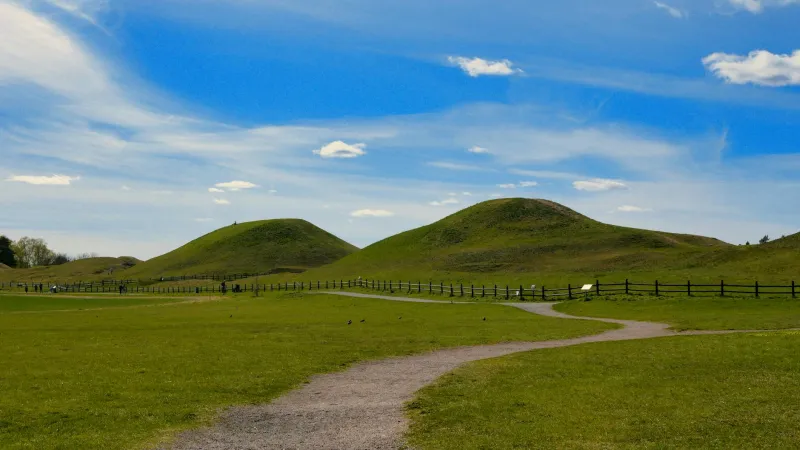
The most striking prehistoric features around Dunbeath are the burial cairns - circular piles of stones that mark the resting places of Bronze Age chieftains and their families. The Cnoc Freiceadain Long Cairns, just a short walk from the village centre, represent some of Caithness's finest examples of Neolithic burial chambers.
These aren't random piles of rubble. Each stone was carefully selected and placed, creating chambers that were designed to last forever. Standing beside these cairns on a clear morning, watching the sunrise illuminate the same stones that Bronze Age mourners once gathered around, connects you directly to humanity's earliest attempts to make sense of death and commemorate the departed.
The positioning of these burial sites reveals sophisticated understanding of landscape and astronomy. Many align with significant solar events - the winter solstice, the spring equinox - suggesting that our ancestors saw death not as an ending but as part of the eternal cycle of seasons and celestial movements.
The Mystery of the Pictish Stones
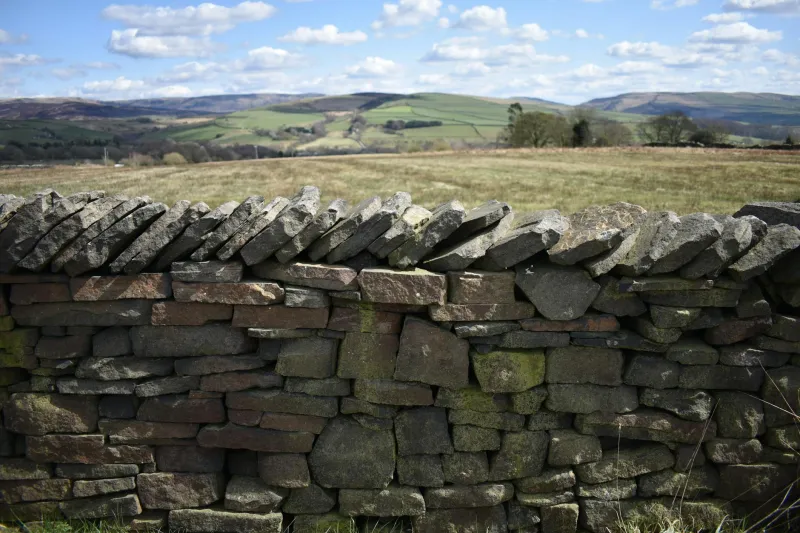
Perhaps even more intriguing are the carved stones left by the Picts, those enigmatic people who controlled northern Scotland before the arrival of Christianity. Around Dunbeath, fragments of Pictish symbol stones turn up in the most unexpected places - built into later farm walls, used as gateposts, or lying forgotten in field corners.
The symbols carved into these stones remain largely undeciphered. Are they territorial markers? Religious symbols? Ancient maps? The crescent and V-rod, the double disc and Z-rod, the mysterious 'elephant' symbol - each appears across Pictish Scotland with tantalising consistency, suggesting a sophisticated symbolic language that died with its creators.
One particularly fine example can be found incorporated into the wall of an 18th-century farmstead near Latheronwheel. The farmer who built that wall probably had no idea he was recycling a 1,200-year-old Pictish monument, but his practical approach has preserved the stone better than many museum pieces.
Hidden in Plain Sight: Settlement Patterns
The trained eye can spot evidence of much older settlement patterns across the Dunbeath landscape. Those seemingly natural terraces on the hillsides? Many are the remains of Iron Age field systems. The circular depression beside that country lane? Likely the foundation of a Bronze Age roundhouse.
These subtle earthworks tell the story of how successive generations adapted to this challenging environment. The Iron Age inhabitants of Dunbeath weren't just surviving - they were thriving, developing sophisticated agricultural systems and trading networks that connected this remote corner of Scotland to the wider prehistoric world.
Archaeological surveys have revealed evidence of metalworking, pottery production, and even luxury imports from as far away as the Mediterranean. The people who lived here 2,000 years ago weren't isolated primitives but part of a complex European network of trade and cultural exchange.
Where to Look: A Practical Guide for Curious Visitors
The beauty of Dunbeath's archaeological landscape is that you don't need special permission or guided tours to explore it. The best sites are accessible via public footpaths and country lanes, though always respect private property and follow the Scottish Outdoor Access Code.
Start with the obvious sites - the Cnoc Freiceadain cairns are signposted and easily reached from the village. But don't stop there. Take any of the minor roads heading inland from Dunbeath, and keep your eyes open for unusual stone arrangements, circular depressions, or carved stones built into later structures.
The OS Explorer map 12 (Thurso & Dunbeath) marks many of the known archaeological sites, but half the joy lies in spotting the unmarked ones. That oddly regular pile of stones beside the road might be natural - or it might be a 3,000-year-old burial cairn that hasn't made it onto any official list.
Connecting Past and Present
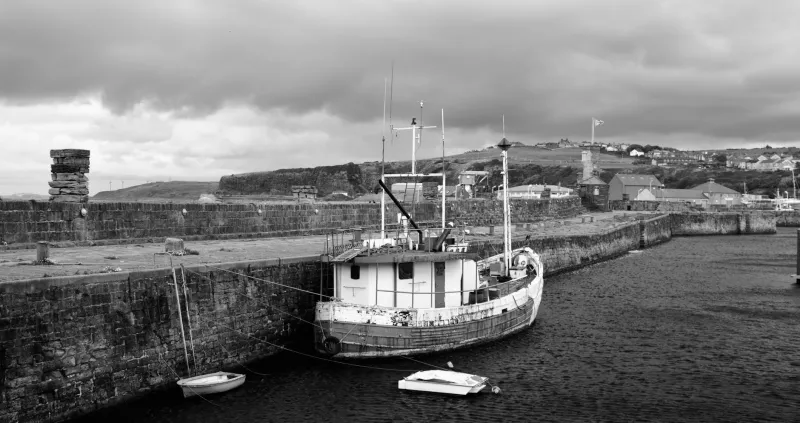
What makes Dunbeath's archaeological heritage so compelling isn't just its age but its continuity. Modern crofters still work fields that were first cleared by Bronze Age farmers. Today's fishing boats launch from harbours that have sheltered vessels for millennia. The same winds that filled Pictish sails still power the turbines on the surrounding hills.
This isn't a landscape frozen in time but one where past and present exist in constant dialogue. Every ancient stone circle, every prehistoric settlement site, every mysterious Pictish carving reminds us that we're just the latest chapter in a story that began when the ice sheets retreated and the first humans followed the reindeer north to this wild edge of Europe.
The next time you walk Dunbeath's country lanes, remember that you're following paths first trodden by people whose names are lost but whose presence still shapes the landscape around you. Their stones remain, patient and enduring, waiting for anyone curious enough to stop and listen to their whispered stories.