The Evolution of Highland Shelter
There's something deeply satisfying about laying your head down for the night in a place where others have done the same for centuries, albeit under rather different circumstances. In Dunbeath, the story of where visitors sleep is intrinsically woven into the fabric of how people have lived, worked, and survived along this dramatic stretch of Highland coast.
Walk through the village today and you'll notice something quietly revolutionary happening. The basic shelters that once housed travelling herring fishers, seasonal workers, and drovers are being thoughtfully transformed into accommodation that honours the past whilst embracing contemporary comfort. It's not gentrification in the aggressive sense — it's more like a gentle awakening of sleeping stones.
From Function to Hospitality
The humble bothy, that most Scottish of shelters, represents the starting point of this story. These simple stone buildings dotted across the Highlands served a purely practical purpose: keeping people alive in harsh weather. No frills, no comfort beyond basic warmth and dryness. They were the Airbnb of their day, except nobody expected fresh towels or Wi-Fi.
Today's Dunbeath accommodation scene takes inspiration from this heritage of pragmatic hospitality. The village's small collection of places to stay — and we do mean small, this isn't Aviemore — reflects a philosophy that comfort needn't come at the expense of character.
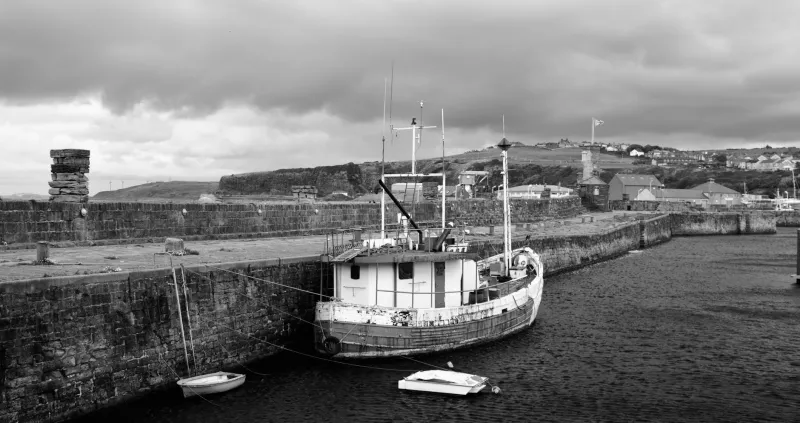
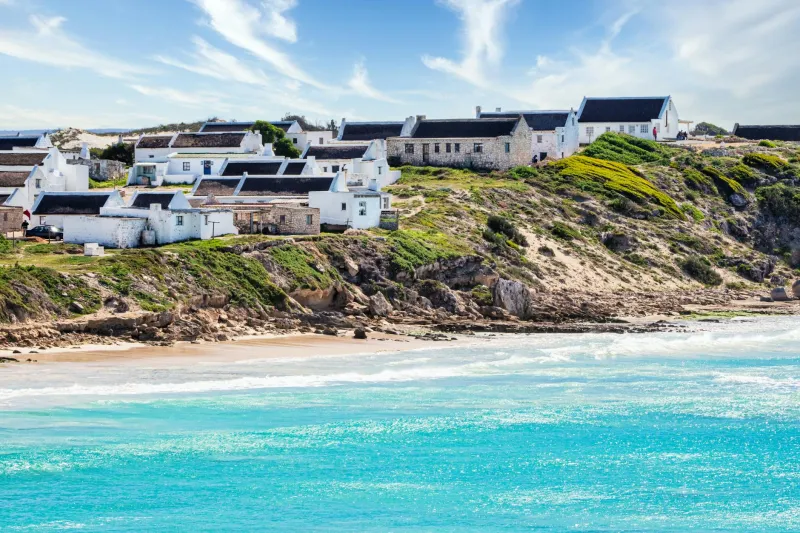
Take the converted fishermen's cottages that now welcome guests along the harbour front. These weren't grand houses to begin with — they were working homes for working people. Yet their thick stone walls, small windows designed to keep out Atlantic gales, and proximity to the sea create an atmosphere that no purpose-built hotel could replicate.
Character Over Convenience
What strikes you immediately about staying in Dunbeath is how the accommodation feels integrated into the landscape rather than imposed upon it. There's a converted steading just outside the village where guests wake to views across the strath that haven't changed substantially since Neil Gunn wandered these paths as a boy. The building itself tells the story of Highland agriculture — stone walls that have weathered a century of seasons, wooden beams that still bear the marks of their original purpose.
This isn't about rustic for rustic's sake. Modern conveniences exist where they matter — proper heating, decent showers, reliable electricity. But they're woven into the fabric of these old buildings rather than overwhelming them. You'll find underfloor heating beneath flagstones that once felt the boots of crofters, or a contemporary kitchen tucked into what was once a grain store.
The Glamping Revolution, Highland Style
Perhaps the most interesting development in Dunbeath's accommodation story is happening up in the strath, where a small but growing number of glamping options offer something genuinely different from the safari tent experience you'll find elsewhere in Scotland.
Here, the shelters take inspiration from the bothies and shielings that once dotted this landscape during summer grazing seasons. Simple structures that work with the weather rather than fighting it, positioned to take advantage of the natural windbreaks provided by the glen's contours.
One particularly thoughtful site offers what they call 'Highland pods' — timber structures that echo the proportions of traditional stone bothies but incorporate large windows that frame specific views: the river bend where salmon rest, the hillside where deer graze at dawn, the distant glimpse of sea between the glen walls.
The Authentic Experience
What's emerging in Dunbeath is accommodation that makes your stay part of the story rather than separate from it. When you wake in a converted cottage and hear the harbour boats heading out for the day's fishing, you're experiencing the same sounds that have marked dawn here for generations. When you fall asleep in a strath-side pod listening to the burn rushing over stones, you're sharing the soundtrack that lulled countless generations of Highland folk to sleep.
This isn't about rough living or making do with less. It's about recognising that sometimes the most luxurious thing you can offer a guest is authenticity. A night spent in a place where the walls have stories to tell, where the windows frame views that matter, where the very act of staying connects you to the continuity of Highland life.
Small Scale, Big Impact
Perhaps most importantly, Dunbeath's approach to accommodation reflects the village's broader philosophy: small-scale, thoughtful development that enhances rather than overwhelms. You won't find chain hotels or massive holiday complexes here. Instead, there's a carefully curated collection of places to stay that reflect different aspects of the area's heritage and landscape.
This approach attracts a particular type of visitor — people who understand that sometimes the journey matters as much as the destination, who appreciate that a Highland getaway should feel distinctly Highland. They're not looking for anonymised comfort; they're seeking places where the act of staying becomes part of understanding a place.
The Future of Highland Hospitality
As more people seek authentic experiences over standardised luxury, Dunbeath's accommodation scene offers a template for how Highland communities might develop tourism that strengthens rather than dilutes local character. It's hospitality that grows from the ground up, literally and figuratively, rooted in the stones and stories of the place itself.
The next time you're planning a Highland break, consider what you really want from your accommodation. If the answer involves sleeping somewhere with soul, where the building itself is part of the experience, then Dunbeath's quiet revolution in Highland hospitality might be exactly what you're looking for.