When the Atlantic Roars: Discovering Dunbeath's Wild Winter Magic
There's something almost rebellious about visiting the Scottish Highlands in winter. While most tourists pack away their hiking boots come October, those in the know understand that Dunbeath's true personality emerges when the Atlantic flexes its muscles and the tourist coaches have long since departed.
The Theatre of Winter Storms
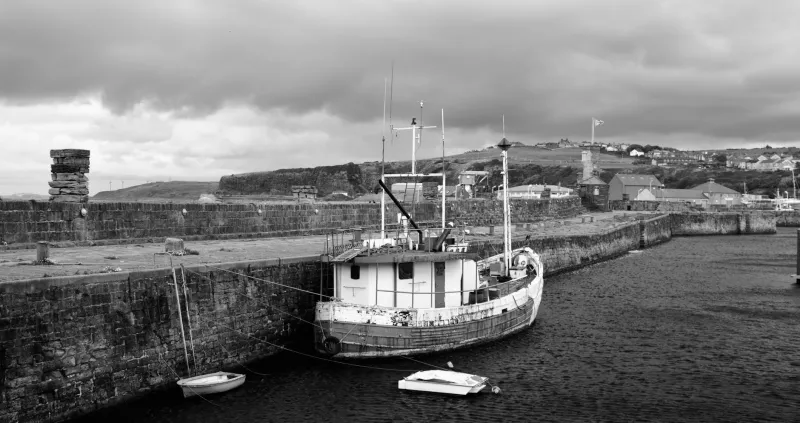
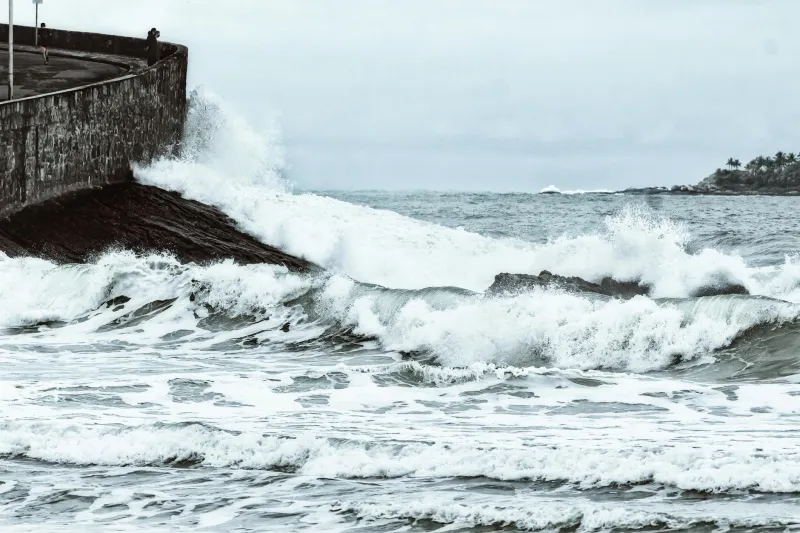
From November through February, Dunbeath becomes nature's amphitheatre. The harbour, which dozes peacefully through summer afternoons, transforms into a front-row seat for one of Scotland's most spectacular shows. Atlantic depressions barrel in with theatrical fury, sending spray cascading over the harbour walls and creating a symphony of sound that resonates through the village's stone cottages.
The old fishermen who gather at the harbour know the signs – the particular quality of light on the horizon, the way the gulls behave, the subtle shift in the wind's direction. They've been reading these signals for decades, and they'll tell you that watching a proper winter storm from the safety of the harbour is better than any cinema.
For the best vantage points, head to the raised ground near the heritage centre, where you can witness the drama unfold safely while still feeling the salt spray on your face. The harbour's protective walls have weathered centuries of such displays, their stones polished smooth by generations of Atlantic tantrums.
Golden Hour, All Day Long
Winter light in Caithness is a photographer's secret weapon. While summer brings the harsh, overhead glare that flattens landscapes, winter delivers that coveted golden hour light for most of the short day. The sun, hanging low in the southern sky, transforms ordinary scenes into something magical.
The harbour takes on an entirely different character when bathed in this amber glow. Stone walls that appear grey and weathered in summer suddenly reveal warm honey tones, while the surrounding cliffs catch fire in shades of copper and gold. Professional photographers have long recognised this phenomenon – many consider the period between November and February the most rewarding time to capture Dunbeath's essence.
The interplay between storm clouds and winter sun creates lighting conditions that change by the minute. One moment, the village might be shrouded in dramatic shadow; the next, a shaft of sunlight breaks through to illuminate the harbour like a spotlight on a stage. It's this unpredictability that makes winter photography here so compelling.
Village Life Unveiled
Perhaps the greatest reward of visiting Dunbeath in winter is experiencing authentic Highland village life. Without the summer crowds, conversations flow more naturally. The local pub becomes a genuine community hub rather than a tourist attraction, and you're likely to find yourself drawn into discussions about fishing conditions, local history, or the merits of different storm-watching spots.
The heritage centre, though operating on reduced winter hours, offers a more intimate experience. Staff have time to share stories and answer questions properly, rather than managing queues of visitors. It's during these quieter months that you might hear tales passed down through generations – stories of winter rescues, legendary storms, or the particular challenges of Highland life when the elements turn fierce.
Practical Winter Wisdom
While Dunbeath's winter charm is undeniable, successful off-season visits require some planning. The heritage centre typically operates weekend hours from November through March, so check ahead. The local pub remains open year-round and serves hearty meals perfect for warming up after a bracing walk along the cliffs.
Accommodation options are more limited but often more affordable. Several B&Bs remain open through winter, and hosts are usually delighted to share local knowledge about the best storm-watching conditions or walking routes that remain safe in winter weather.
Dressing appropriately cannot be overstated. Layers are essential, as is waterproof gear – not just for rain, but for the salt spray that can reach surprising distances inland during fierce storms. A good pair of grip-soled boots is crucial for navigating potentially icy paths and wet stone surfaces.
The Rhythm of Winter Days
Winter days in Dunbeath follow a different rhythm entirely. Dawn arrives late and dusk comes early, but this compressed daylight feels concentrated, more precious. The village settles into a comfortable routine that has sustained Highland communities for centuries – early rises to make the most of available light, afternoon gatherings when the light begins to fade, and long evenings perfect for storytelling.
This is when you truly understand why generations have chosen to make their lives here, despite the challenges. There's something deeply satisfying about experiencing a place when it's simply being itself, rather than performing for visitors.
Beyond the Harbour
Winter walks along the clifftops offer their own rewards. The coastal path, less crowded and more challenging, provides spectacular views of the churning sea below. Wildlife viewing can actually be better in winter – seals are more visible on the rocks, and the bird life, while different from summer species, includes dramatic sightings of wintering species rarely seen during peak season.
The archaeological sites scattered around Dunbeath take on an almost mystical quality in winter light. Ancient stone circles and burial cairns, which can feel almost mundane on busy summer days, regain their sense of mystery when encountered during a crisp winter morning with mist rising from the sea.
Dunbeath in winter isn't for everyone, but for those who appreciate drama, authenticity, and the raw beauty of Scotland's coast, it offers an experience that summer simply cannot match. When the Atlantic roars and the light turns golden, you'll understand why some visitors never want to come back in summer again.