Some destinations demand to be rushed through, ticked off lists, captured in hurried selfies. Dunbeath isn't one of them. This Highland coastal village operates on a different rhythm entirely—one that rewards those willing to match its pace with experiences that linger long after you've returned to the motorway.
Planning a first visit here requires a gentle recalibration of expectations. You won't find theme parks or shopping centres, but you will discover something increasingly rare: a place where two days can feel like a proper holiday.
Getting Your Bearings: The Journey North
The drive from Inverness takes roughly two hours along the A99, a route that gradually sheds the bustle of Highland Scotland's unofficial capital for something altogether more elemental. Those travelling from further south—Edinburgh or Glasgow—should allow four to five hours, though the journey rewards patience with increasingly dramatic scenery as you head north.
The final approach into Dunbeath offers your first glimpse of what makes this place special. The village sits where the Dunbeath Water meets the North Sea, creating a natural amphitheatre of sorts, with the ruins of Dunbeath Castle standing sentinel on their rocky outcrop.
Day One: Foundations and First Impressions
Morning: Castle and Coastline (9:00 AM - 12:00 PM)
Start your weekend at Dunbeath Castle, or rather, what remains of it. These 15th-century ruins perch dramatically on coastal cliffs, offering your first lesson in how geography shapes history here. The castle's strategic position—controlling both sea and glen—tells the story of a community that has always lived at the intersection of different worlds.
The walk around the castle grounds takes about an hour, but allow longer. The views across the Moray Firth are hypnotic, particularly on clear mornings when you can spot the Orkney Islands on the horizon. The smell of salt air mixes with the scent of coastal grasses, creating an olfactory signature that somehow captures the essence of the Scottish coast.
Afternoon: Heritage and Harbour Stories (1:00 PM - 5:00 PM)
After a pub lunch at the Bay Owl—where the fish and chips come with views of the harbour—spend your afternoon at the Dunbeath Heritage Centre. This isn't your typical tourist attraction but rather a lovingly curated collection that brings the village's past to life.
The centre occupies a former school building, and its exhibits trace everything from prehistoric settlements to the herring boom that once made this harbour one of the busiest on Scotland's east coast. The volunteers here are encyclopaedias of local knowledge, often sharing stories that never made it into the official displays.
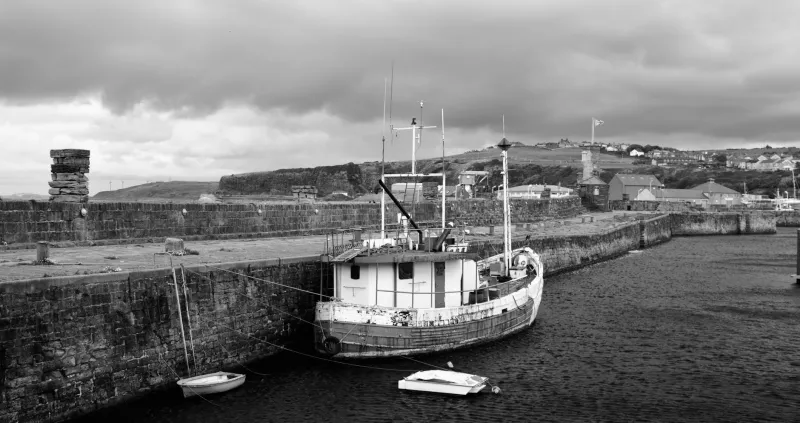
Late afternoon brings perfect light for exploring the harbour itself. The stone pier, built in the 1800s, still shelters a handful of fishing boats. Stand here as the day begins to fade, and you'll understand why this place has inspired writers and artists for generations.
Evening: Sunset at the Strath (6:00 PM onwards)
As evening approaches, take the short walk inland along the Dunbeath Water. The strath—the broad valley that leads from coast to mountains—offers a completely different perspective on the landscape. Here, the roar of waves gives way to the gentle sound of running water and the calls of highland birds.
This is where Neil Gunn, one of Scotland's most celebrated novelists, spent his childhood, and walking these paths at dusk, you'll glimpse the landscape that shaped his imagination. The light here in late evening is extraordinary—soft and golden, turning the moorland grass into something almost ethereal.
Day Two: Deeper Discoveries
Morning: Prehistoric Mysteries (9:00 AM - 12:30 PM)
Your second day begins with a journey even further back in time. The hills around Dunbeath are scattered with archaeological treasures, including several well-preserved cairns and stone circles that predate Stonehenge.
The most accessible is the Garrywhin Stone Circle, about ten minutes' drive from the village centre. This Bronze Age monument sits on a hill with commanding views across the landscape, suggesting our ancestors chose their sacred sites with the same eye for dramatic scenery that draws visitors today.
The walk to reach some of the more remote cairns requires sturdy footwear and basic navigation skills, but the reward is profound. Standing beside these ancient monuments, with only sheep and skylarks for company, offers a direct connection to the people who shaped this landscape thousands of years ago.
Afternoon: Coastal Exploration (1:30 PM - 5:00 PM)
After lunch, dedicate your afternoon to exploring Dunbeath's coastline properly. The coastal path north towards Latheron reveals a series of small bays and geological features that reward careful exploration.
Dunbeath Bay itself deserves extended attention. The beach here isn't the golden sand variety beloved of holiday brochures, but rather a mix of pebbles and rock pools that become fascinating when examined closely. Low tide reveals a world of sea anemones, crabs, and seaweeds that children and adults find equally absorbing.
For those seeking more adventurous coastal walking, the path south towards Berriedale offers spectacular cliff scenery, though proper hiking boots and weather awareness are essential.
Evening: Reflection and Planning Return
As your weekend draws to a close, find time for quiet reflection. Perhaps it's another evening walk along the harbour, or simply sitting with a drink watching the light fade over the North Sea.
Practical Notes for First-Time Visitors
Accommodation in Dunbeath itself is limited but characterful. The Portland Arms offers comfortable rooms above a traditional Highland inn, while several local B&Bs provide more intimate experiences. Booking ahead is essential, particularly during summer months.
Dining options reflect the village's size—don't expect extensive choice, but do expect quality. Local seafood features prominently, and the emphasis on seasonal, local ingredients often surprises visitors accustomed to more generic tourist fare.
Weather can change quickly here, so pack layers and waterproofs regardless of the forecast. The reward for being properly prepared is the ability to enjoy Dunbeath's outdoor attractions regardless of conditions.
Why Two Days Matter
In our age of instant everything, Dunbeath offers something increasingly precious: the opportunity to slow down properly. Two days here isn't just enough time to see the sights—it's enough time to begin understanding why this place has such a hold on those who discover it.
By the time you're loading the car for the journey south, you'll likely be planning your return. That's the real magic of Dunbeath—it doesn't just show you Highland Scotland, it shows you a different way of experiencing it entirely.