The Art of Living Between Worlds
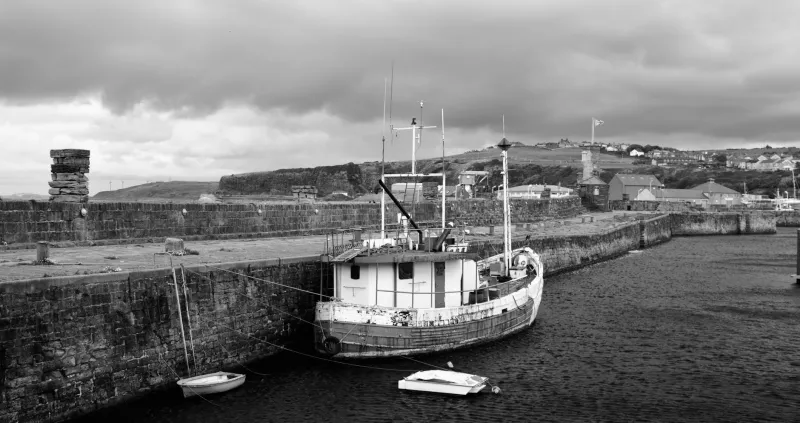
Stand at the edge of Dunbeath harbour today, and you're witnessing something extraordinary – the meeting point of two entirely different worlds that once defined every aspect of life in this Highland coastal community. Behind you stretch the green braes and small fields where families grew their oats and kept their cattle. Before you lies the restless North Sea that provided the silver harvest that kept communities alive through Highland winters.
For centuries, the people of Dunbeath didn't choose between land and sea – they mastered both.
When the Calendar Ruled Everything
The rhythm of life in historical Dunbeath followed an intricate dance between agricultural seasons and fishing opportunities. Come spring, families would be up at dawn tending to their small plots – planting potatoes in the lazy beds that still mark the landscape, sowing oats in whatever fertile ground they could claim, and moving their few precious cattle to summer grazing.
But when the herring shoals appeared offshore in summer, everything changed. Tools were downed, nets were mended, and entire families transformed from farmers into fisherfolk. The women would follow the fleet, gutting and packing the silver catch, while the men worked the dangerous waters in their small boats.
"My great-grandmother could gut a herring faster than anyone on the coast," recalls local historian Margaret Sinclair, whose family has lived in Dunbeath for five generations. "But come autumn, she'd be back digging potatoes and preparing the croft for winter. These weren't separate lives – it was all one life, lived according to what nature provided."
The Ingenuity of Necessity
This dual existence required remarkable ingenuity. Families developed sophisticated systems for managing both enterprises simultaneously. During fishing season, older children and grandparents would tend the croft while the able-bodied adults worked the boats and processing stations. Come harvest time, the entire community would abandon the harbour for the fields.
The physical evidence of this lifestyle still marks Dunbeath's landscape. Walk the coastal paths and you'll spot the remains of small bothies where families would stay during intensive fishing periods. Venture inland and the lazy bed cultivation terraces tell the story of families making every scrap of arable land count.
Archival records from the 19th century reveal the sophisticated planning required. The Sinclair Estate papers, housed in the Highland Archives, show detailed agreements allowing crofters time away from their holdings during fishing season – provided they returned for the agricultural work that kept the inland economy functioning.
Skills That Crossed Boundaries
The remarkable thing about Dunbeath's fishing-farming families was how skills from one world enhanced the other. The rope work essential for fishing translated perfectly to securing thatch and managing livestock. The weather reading crucial for safe sea voyages helped predict the best planting and harvesting conditions.
Women developed particularly diverse skill sets. They needed to be expert at preserving fish – salting, smoking, and packing the catch for distant markets. But they also had to master the complex arts of Highland domestic life: spinning wool, dyeing cloth with local plants, brewing ale, and managing the precious milk from their few cows.
"The versatility was extraordinary," explains Dr. James MacLeod, who has researched Highland coastal communities extensively. "These families were essentially running two completely different businesses, often with the same people, using equipment and skills that had to work in both environments."
The Community That Made It Work
Perhaps most remarkably, this wasn't an individual effort – entire communities coordinated their dual lives. When the fishing was good, neighbours would help with each other's crofts. During harvest time, the favour was returned. Children learned both sets of skills from an early age, creating a community where everyone could contribute to both enterprises.
Local church records reveal the community spirit that made this lifestyle possible. Baptisms and marriages were often timed around fishing seasons, and the kirk sessions regularly dealt with disputes about shared labour and resources – evidence of just how interconnected these dual economies were.
Legacy in the Landscape
Today's visitors to Dunbeath can still read the story of these remarkable families in the landscape itself. The harbour, with its carefully constructed piers, speaks of communities that understood the sea intimately. The field patterns climbing away from the coast tell of families who made marginal land productive through sheer determination.
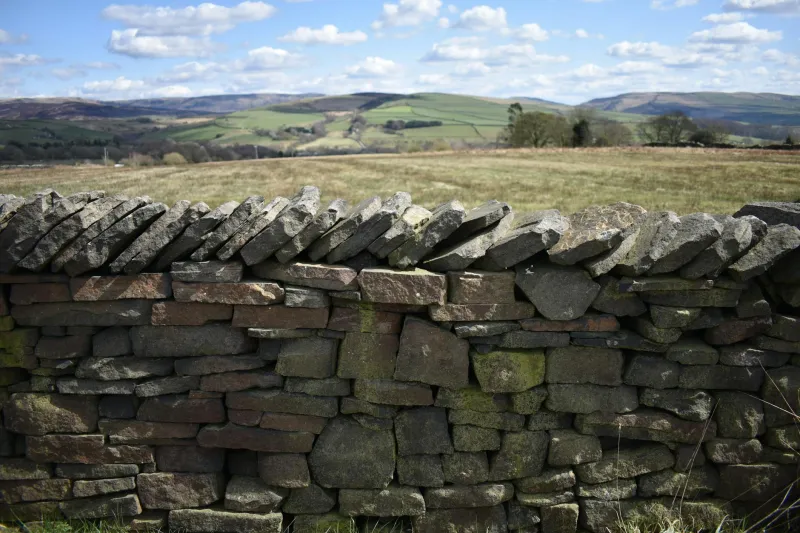
Walk the Dunbeath Strath, and you're following paths worn by generations who moved daily between their two worlds. The stone walls and field boundaries represent not just agricultural history, but the practical solutions of people who needed their land to work while they worked the sea.
Lessons from the Tide Turners
In our modern world of specialisation, there's something profoundly inspiring about these Highland families who refused to be defined by a single occupation. They created a way of life that was sustainable, community-focused, and remarkably resilient to the uncertainties that both land and sea could throw at them.
Their legacy isn't just in the physical traces they left across Dunbeath's landscape, but in the reminder that humans are capable of remarkable adaptability when they work with, rather than against, the natural rhythms of their environment. These tide turners of Dunbeath mastered something we're still learning – how to live successfully in harmony with the forces that shape our world.
Next time you visit Dunbeath, take a moment to appreciate not just the beauty of where the Highlands meet the sea, but the ingenuity of the families who made both their home.