A Village at the Crossroads
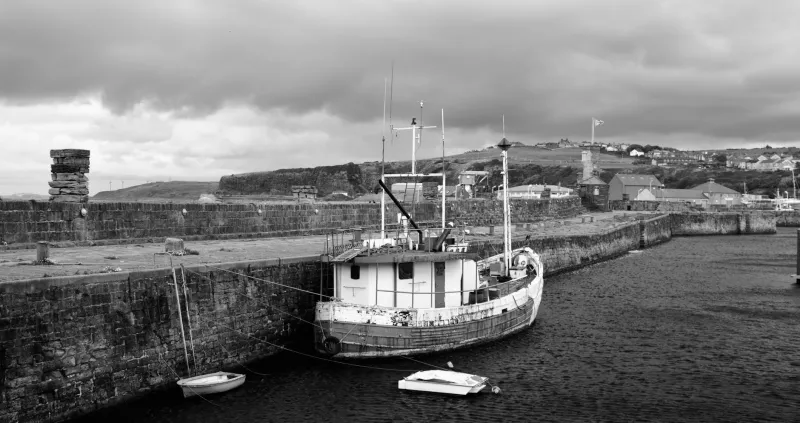
Standing at Dunbeath harbour on a grey November morning, watching fishing boats bob against harbour walls built from local stone three centuries ago, it's impossible not to feel the weight of history. Yet this isn't a museum piece – children still run along these same walls, fishermen still mend nets in cottage doorways, and life continues much as it has for generations. The question facing Dunbeath today is whether formal conservation village status would preserve this authentic character or slowly strangle the very life that makes it special.
The argument for protection has never been stronger. Dunbeath represents one of Scotland's most complete examples of a traditional Highland fishing settlement, its built environment telling the story of how communities adapted to life where mountains meet the North Sea. From the distinctive fishermen's cottages with their thick stone walls and small windows designed to withstand Atlantic gales, to the carefully engineered harbour that has sheltered boats for three hundred years, every structure speaks to generations of practical wisdom.
Architectural DNA
What makes Dunbeath architecturally significant isn't grandeur – it's integrity. The village evolved organically over centuries, each building responding to local materials, climate, and function. The result is a built environment that feels completely of its place, from the Caithness flagstone that paves the harbour area to the distinctive chimneys that crown every cottage roof.
Dr. Margaret Henderson, who led Historic Environment Scotland's recent survey of Caithness coastal settlements, describes Dunbeath as "architecturally precious precisely because it hasn't been prettified." Unlike many Scottish villages that have been sanitised for tourism, Dunbeath retains working buildings alongside historic ones, creating what Henderson calls "a living archaeological record of Highland coastal life."
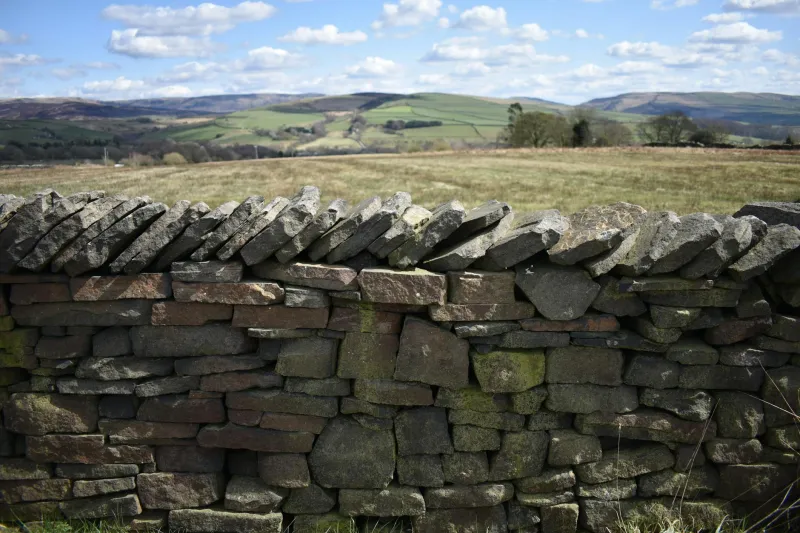
The harbour walls themselves represent a masterclass in traditional engineering. Built without mortar, using only the weight and careful placement of massive stones, they've withstood three centuries of North Sea storms. The techniques used here influenced harbour construction across the Highlands, yet Dunbeath's walls remain among the finest examples still in daily use.
Learning from Neighbours
Looking at other Scottish villages that have navigated conservation designation offers both encouragement and caution. Culross in Fife, designated in 1932, successfully preserved its remarkable 16th and 17th-century architecture but struggles with the practical challenges of maintaining historic buildings to modern standards. Property owners face significant restrictions and costs, sometimes leading to buildings standing empty rather than being adapted for contemporary use.
Conversely, Dunkeld in Perthshire has managed conservation status while maintaining a thriving community. The key, according to local councillor Ian MacPherson, has been "sensible interpretation of conservation guidelines that recognise the needs of people who actually live here." Dunkeld's success stems from early community engagement and conservation policies that distinguish between essential character features and details that can be sensitively modified.
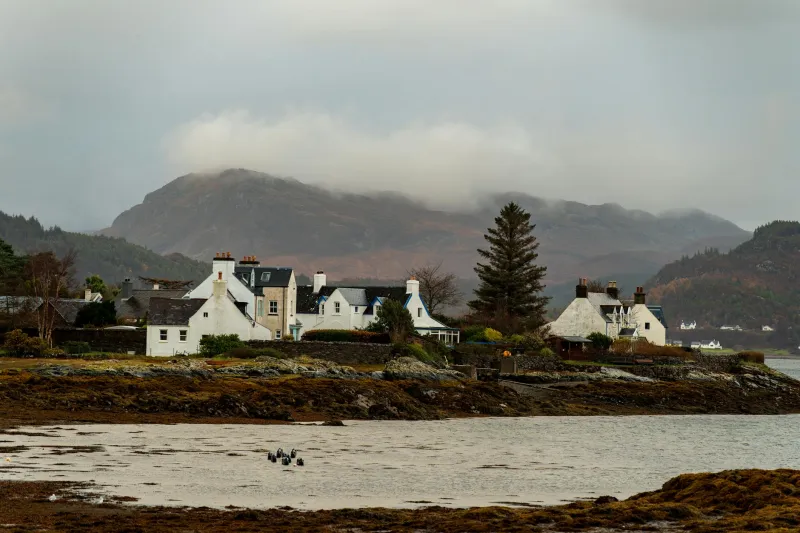
Plockton in the western Highlands offers perhaps the most relevant comparison. Like Dunbeath, it's a coastal village where traditional fishing cottages face modern pressures from tourism and housing demand. Conservation village status, granted in 1967, has preserved Plockton's distinctive painted cottages and harbour setting, but has also contributed to house prices that increasingly exclude local families.
The Economic Reality
This brings us to conservation's central dilemma – protecting heritage while supporting living communities. Dunbeath faces the same pressures as many Highland villages: young people leaving for employment opportunities, holiday home ownership driving up property prices, and traditional industries declining. Would conservation status help or hinder efforts to address these challenges?
Proponents argue that formal recognition would unlock funding streams for building restoration and infrastructure improvements. The Heritage Lottery Fund, Historic Environment Scotland, and various European programmes prioritise areas with designated status. This could mean grants for homeowners maintaining traditional building techniques, improved visitor facilities that support local employment, and infrastructure upgrades that respect historic character.
Local business owner Janet Sutherland, who runs the village's small general store, sees conservation status as essential for Dunbeath's long-term viability. "Tourism is increasingly important for us, but visitors come here because it's authentic, not because it's been turned into a theme park. Conservation status would help us maintain what makes us special while adapting to modern needs."
Community Voices
However, not everyone shares this optimism. Retired fisherman Alasdair MacKay, whose family has lived in the same harbour cottage for four generations, worries about bureaucratic interference in daily life. "I've maintained this house for forty years using the same methods my grandfather taught me. Do I really need permission from Edinburgh to fix my roof?"
These concerns aren't unfounded. Conservation areas typically require planning permission for changes that would be permitted elsewhere – new windows, roof materials, even paint colours can become subjects for committee discussion. For communities already struggling with limited resources, additional bureaucratic layers can feel burdensome.
Yet many residents recognise the threats facing their village's character. Modern replacement windows, inappropriate building materials, and unsympathetic extensions already mar some of Dunbeath's historic streetscapes. Without some form of protection, there's genuine risk that the architectural qualities that make Dunbeath special could be gradually eroded.
A Balanced Approach
The solution may lie in a conservation framework specifically designed for living Highland communities. Rather than the blanket restrictions often associated with conservation areas, Dunbeath could benefit from guidelines that distinguish between essential character features and areas where sensitive change is acceptable.
This might mean protecting the harbour walls, traditional rooflines, and stone construction techniques while allowing flexibility in internal modifications, energy efficiency improvements, and small-scale contemporary additions. The key is ensuring that conservation serves the community rather than constraining it.
The Path Forward
Ultimately, the case for Dunbeath's conservation village status rests on a simple proposition – that some places are too precious to lose to indifference. The village's built environment represents not just historical curiosity but practical wisdom about living sustainably in a challenging landscape. These lessons remain relevant as Highland communities face climate change, economic uncertainty, and demographic challenges.
Conservation status shouldn't be about freezing Dunbeath in time but about ensuring that change, when it comes, respects and builds upon the accumulated wisdom of centuries. Done thoughtfully, with genuine community involvement and flexible interpretation, conservation village designation could help Dunbeath maintain its authentic character while adapting to 21st-century realities.
The question isn't whether Dunbeath deserves protection – any visitor can see its architectural and cultural significance. The question is whether we can create a conservation framework that serves both heritage and community, preserving what makes Dunbeath special while ensuring it remains a place where people choose to live, work, and raise families.
In a Scotland increasingly dominated by urban centres, places like Dunbeath represent irreplaceable connections to our landscape and our past. They deserve protection not as museum pieces but as living communities that continue to evolve while maintaining their essential character. Conservation village status, properly implemented, could be the tool that ensures Dunbeath's architectural soul survives for future generations to inherit and inhabit.