The Rhythm of Discovery
There's something profoundly different about arriving in Dunbeath with legs that ache from the journey and lungs full of Highland air. While most visitors experience this remarkable village through car windows, those who choose to pedal the final miles along Caithness's dramatic coastline discover something more intimate – a landscape that reveals its secrets only to those moving at human pace.
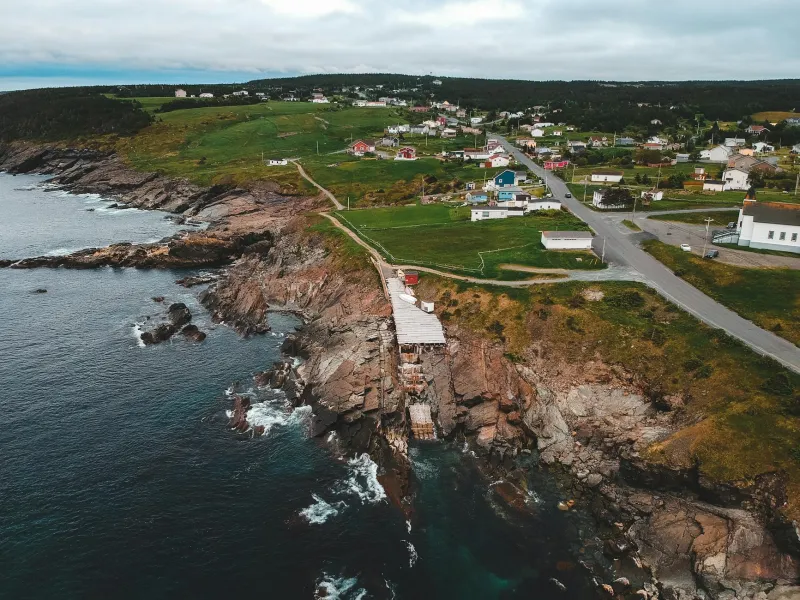
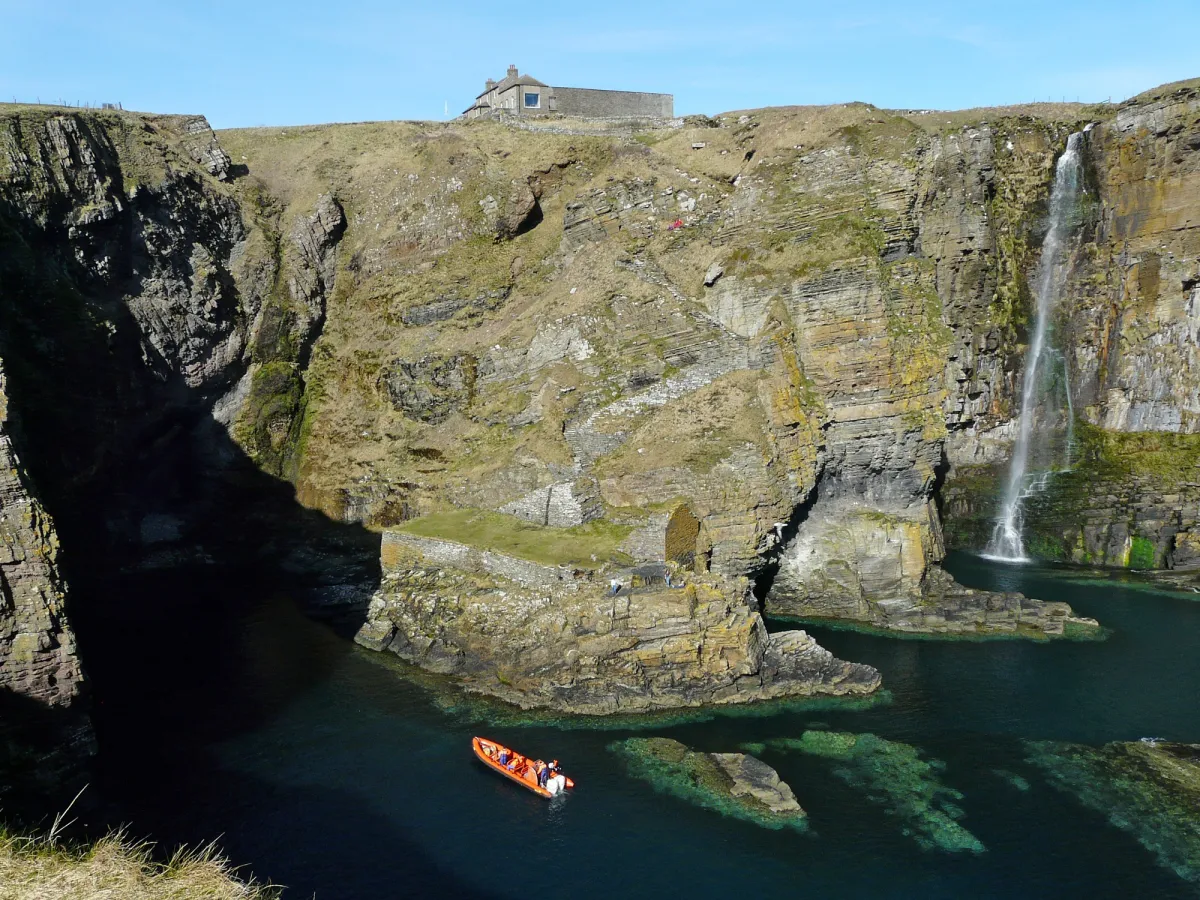 Photo: Caithness Coast, via www.northcoast500.com
The bicycle transforms travel from mere transport into genuine exploration. Where drivers glimpse fleeting impressions of clifftop views and coastal villages, cyclists experience the gradual transition from one landscape to another, feeling the terrain beneath their wheels and breathing the changing air as heather gives way to sea spray.
Choosing Your Route
The approach to Dunbeath offers cyclists several distinct experiences, each revealing different aspects of this remarkable corner of Scotland. The choice depends largely on your appetite for challenge and the type of Highland experience you're seeking.
The Coastal Corridor
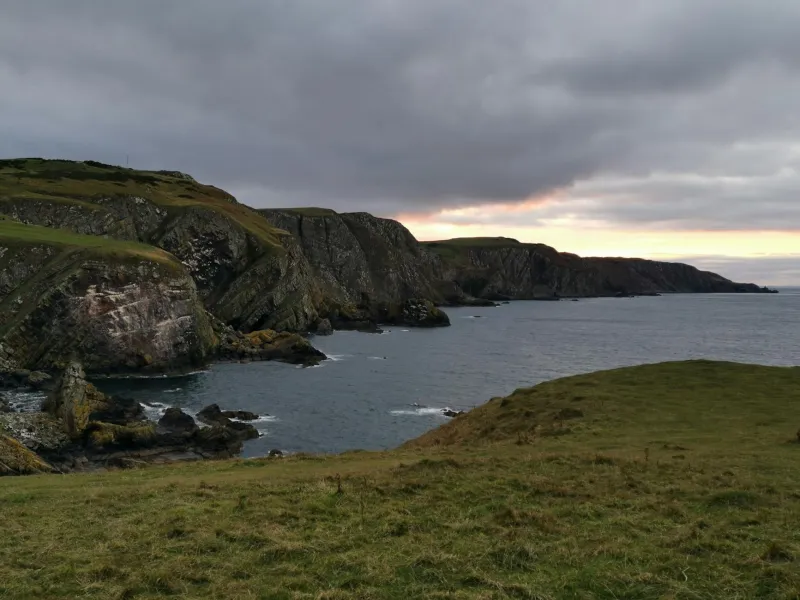
For those prioritising scenery over ease, the coastal route along the A99 from Wick provides perhaps Scotland's most spectacular seaside cycling. This 25-mile journey hugs cliffs that plunge dramatically into the North Sea, passing through villages where fishing boats still work from harbours carved from solid rock.
The road itself demands respect – it's narrow in places, with occasional steep descents that require confident bike handling. But the rewards are extraordinary. Around every headland, new vistas open across waters that stretch unbroken to Norway. Gannets wheel overhead, seals bob in sheltered bays, and on clear days, the Orkney Islands hover like mirages on the northern horizon.
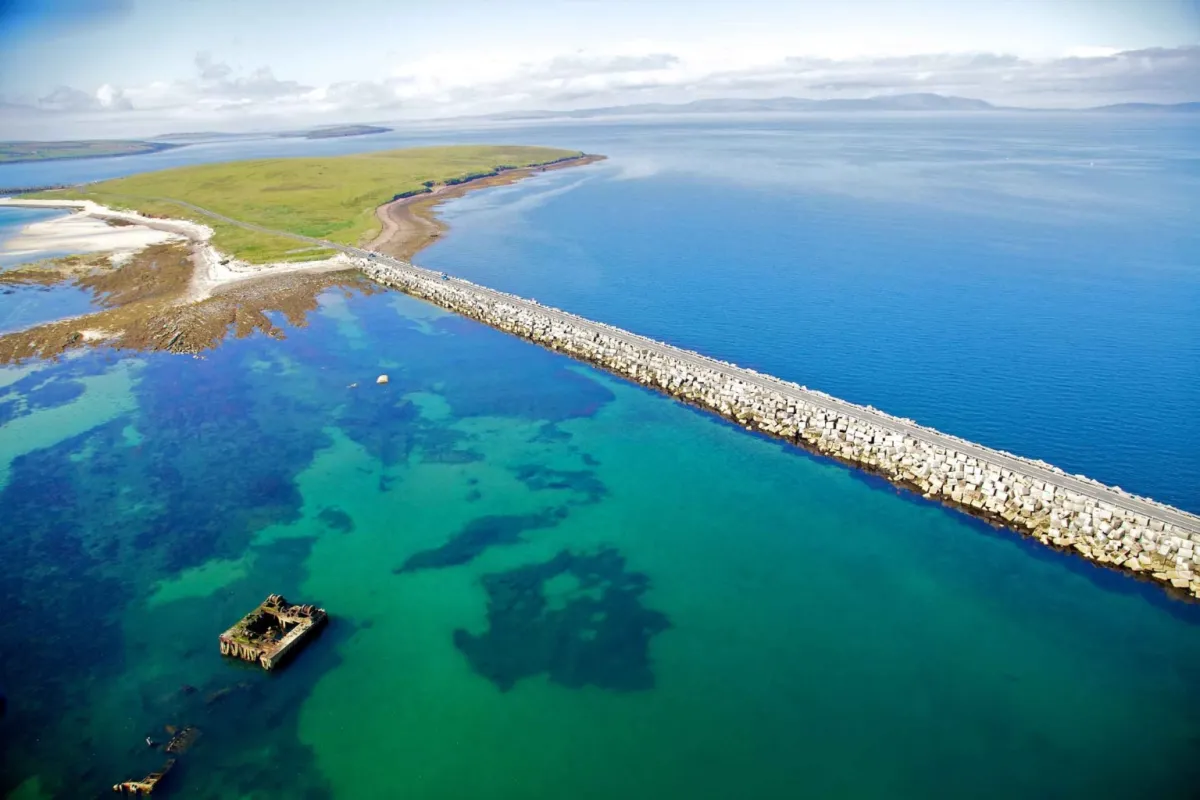 Photo: Orkney Islands, via www.orkney.com
Timing matters enormously on this route. Early morning rides benefit from calmer winds and softer light that transforms the North Sea from grey to silver. Late afternoon brings more dramatic skies but often stronger headwinds that can turn the final miles into a genuine test of determination.
The Inland Alternative
Cyclists preferring quieter roads and gentler gradients should consider the inland route via Watten and Halkirk. This path trades coastal drama for a different kind of Highland beauty – vast skies over peat moorland, ancient stone circles standing sentinel in empty fields, and the profound silence that comes only in landscapes where human presence feels temporary.
The 30-mile journey from Thurso via this route includes some of Caithness's most atmospheric cycling. The road to Watten crosses the Flow Country, where the landscape stretches unbroken to distant hills. It's cycling that encourages contemplation – long, straight sections where the only sounds are wind through grass and the steady rhythm of wheels on tarmac.
This route particularly rewards spring and autumn cyclists. In May, the moors burst with wildflowers that transform the seemingly barren landscape into a tapestry of colour. October brings the possibility of aurora displays that turn night cycling into something magical, though proper lighting and local knowledge become essential.
Seasonal Strategies
Cycling to Dunbeath changes character dramatically with the seasons, each offering distinct advantages for different types of riders.
Summer Cycling
June through August provides the most forgiving conditions for cycling in Caithness. Daylight extends well past 10 PM, giving enormous flexibility for timing rides around wind conditions. The coastal route becomes particularly rewarding during summer evenings when low sun transforms cliff faces into glowing walls of sandstone and schist.
However, summer also brings challenges. Tourist traffic increases significantly on coastal roads, and midges can make stops unpleasant in still conditions. Successful summer cycling to Dunbeath requires early starts to avoid both traffic and insects, with the bonus of experiencing the coast in morning light that reveals details invisible at other times.
Autumn Glory
September and October offer perhaps the finest cycling conditions in Caithness. Tourist numbers drop, winds often moderate, and the quality of light becomes extraordinary. Autumn storms approaching from the Atlantic create dramatic skies that transform every view, while clearer air makes distant landmarks stand out with unusual clarity.
This season particularly suits photographers and contemplative cyclists. The changing light creates constantly shifting moods, from brooding grey skies that emphasise the landscape's wildness to sudden breaks in cloud that illuminate specific features with theatrical intensity.
The Details That Matter
Cycling reveals aspects of the Highland landscape that car travel simply cannot capture. The smell of peat smoke drifting from cottage chimneys, the sound of skylarks rising from clifftop meadows, the way temperature drops noticeably when roads dip into small valleys – these sensory details create a much richer understanding of place.
Approaching Dunbeath by bicycle allows proper appreciation of the village's remarkable setting. The final descent from the main road reveals the harbour gradually, its stone walls and cluster of cottages appearing piece by piece rather than all at once. Cyclists have time to notice architectural details – the way traditional buildings use local stone, how cottage gardens shelter behind carefully placed walls, the practical wisdom embedded in structures designed for this specific environment.
The physical effort required to reach Dunbeath also creates a different relationship with arrival. There's satisfaction in earning spectacular views through genuine exertion, in feeling the landscape's challenges firsthand rather than observing them from climate-controlled comfort.
Practical Wisdom
Successful cycling to Dunbeath requires acknowledgment of Highland realities. Weather can change rapidly, particularly along exposed coastal sections. Waterproof clothing isn't optional but essential, even during apparently fine conditions. The nearest bike shops are in Thurso or Wick, making basic repair skills and spare tubes crucial for rides of this distance.
Food and drink planning matters more than in urban cycling. Village shops can't be relied upon for specific dietary requirements, though Dunbeath's Heritage Centre Café provides excellent sustenance for arriving cyclists. Carrying sufficient water becomes particularly important during headwinds that can double journey times.
Accommodation booking ahead is essential, particularly during summer months. Several B&Bs in Dunbeath welcome cyclists and provide secure bike storage, understanding the specific needs of visitors who've earned their arrival through physical effort.
The Arrival Reward
There are few finer experiences in Highland travel than rolling into Dunbeath harbour after hours of coastal cycling. The village reveals itself gradually – first the castle ruins on their clifftop perch, then the harbour walls that have sheltered boats for centuries, finally the cluster of traditional cottages that comprise the village heart.
Cycling to Dunbeath creates memories that car travel simply cannot match. The physical connection to landscape, the gradual revelation of views, the earned satisfaction of arrival – these transform a simple journey into genuine adventure. In an age of increasingly rapid travel, choosing to approach this remarkable place at bicycle pace feels like a small act of rebellion, a decision to engage with landscape rather than simply pass through it.
For those willing to trade speed for depth, comfort for authenticity, the quiet roads north to Dunbeath offer one of Scotland's finest cycling experiences. The Highland landscape demands this kind of attention, rewards this pace of discovery, and creates the kind of travel memories that car windows simply cannot provide.