The Boy Who Became Scotland's Voice
Neil Miller Gunn never really left Dunbeath, even when his career took him to Edinburgh and beyond. Born in 1891 in a small house overlooking the harbour, he carried the rhythms of Caithness speech, the smell of salt air, and the ancient stories of his birthplace throughout his life. Today, literary pilgrims from across Britain make their way to this remote Highland village, following in the footsteps of the man many consider Scotland's greatest novelist after Sir Walter Scott.
Gunn's novels – particularly 'Highland River' and 'The Silver Darlings' – transformed Dunbeath from a working fishing village into a landscape of the imagination. Yet what makes his writing so powerful is how deeply rooted it remains in the actual geography, culture, and people of his homeland. Walking through Dunbeath today is like stepping into a living novel, where fiction and reality blur in the most enchanting way.
Starting Point: The Harbour Where Stories Begin
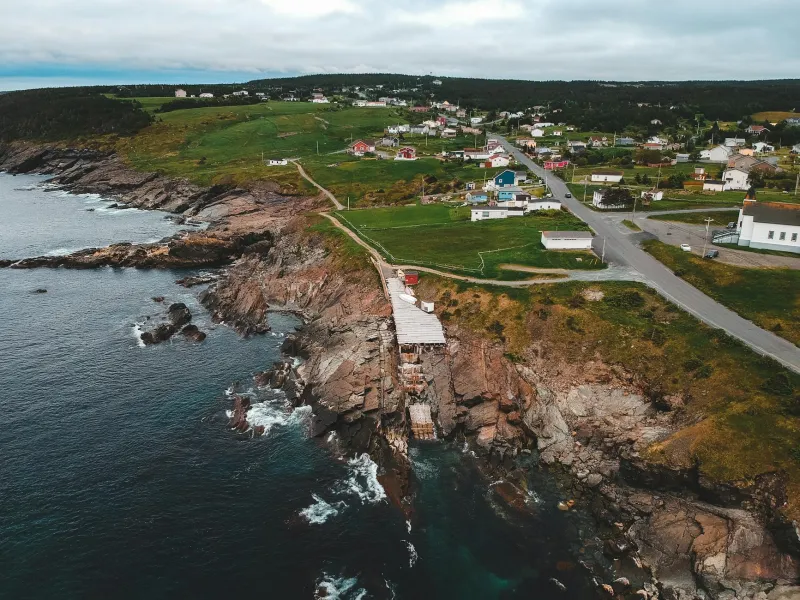
Your literary journey begins at Dunbeath Harbour, the heart of Gunn's fictional universe. This small, stone-built haven appears in almost all his major works, most memorably in 'The Silver Darlings' as the centre of a thriving herring fishing community. Standing on the harbour wall, you can almost hear the voices of Gunn's characters – the fishermen preparing their nets, the women gutting fish, the children playing among the boats.
The harbour itself tells the story of Highland resilience that runs through all Gunn's work. Built in the early 19th century during the clearances, it represented hope for communities forced from their inland straths. Gunn understood this history intimately – his own family were among those who adapted to coastal life when the old ways became impossible.
Look for the memorial plaque dedicated to Gunn, installed by the Neil Gunn Society in 1991 to mark the centenary of his birth. The inscription quotes from 'Highland River': "The river was the first thing he remembered." From here, you'll follow that same river – the Dunbeath Water – inland towards the strath that shaped his imagination.
The Bridge: Gateway to Memory
A short walk from the harbour brings you to the stone bridge that spans Dunbeath Water. This modest structure appears repeatedly in Gunn's novels as a threshold between the working world of the coast and the ancient landscape of the interior. In 'Highland River', young Kenn crosses this bridge countless times, each journey marking a stage in his growing understanding of his Highland heritage.
Pause here and look both ways along the burn. Seaward, you'll see the harbour and the North Sea beyond – the world of practical concerns, of making a living from an unforgiving environment. Inland, the water disappears into a landscape of moor and hill that seems to stretch back to the beginning of time. Gunn spent his life exploring the tension between these two worlds, the ancient and the modern, tradition and progress.
The sound of water over stones provides a constant soundtrack to your walk – the same sound that filled Gunn's ears throughout his childhood. In his writing, the river becomes almost a character in its own right, carrying not just water but memory, connecting the present moment to all the generations who have lived beside its banks.
Laidhay Croft Museum: Echoes of the Old Life
A mile inland from the village, Laidhay Croft Museum offers a tangible connection to the world that shaped Gunn's early novels. This beautifully preserved 18th-century longhouse represents the kind of Highland home that appears throughout his work – simple, functional buildings where humans and animals shared the same roof, where life followed the ancient rhythms of the seasons.
Gunn wrote extensively about the clearances and their aftermath, and Laidhay helps visitors understand what was lost when the old crofting communities were dispersed. The museum's collection includes traditional Highland furniture, farming implements, and domestic items that would have been familiar to the characters in novels like 'Butcher's Broom'.
The museum also houses a small but significant collection of Gunn memorabilia, including first editions of his novels and photographs from his time as a customs officer in Edinburgh. These personal items help bridge the gap between the international literary figure and the Highland boy who never forgot his roots.
The Strath: Where Ancient Scotland Lives
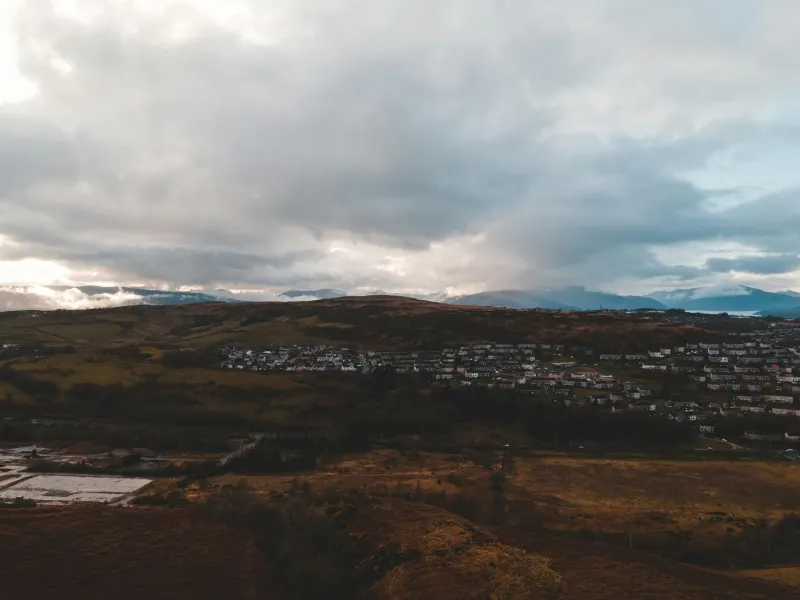
Continuing inland, the path follows Dunbeath Water into increasingly wild country. This is the strath that gives 'Highland River' its spiritual centre – a landscape that seemed to Gunn to contain all of Highland history within its bounds. Here, among the scattered ruins of abandoned settlements, he found the inspiration for his most powerful writing about Highland culture and its survival.
The walking is more challenging here, but the rewards are immense. Scattered throughout the strath are the remains of pre-clearance townships – tumbled walls and overgrown enclosures that speak of a way of life that sustained Highland communities for centuries. Gunn wrote about these ruins with a mixture of sadness and celebration, seeing in them both loss and continuity.
Bird life is abundant in the strath, with curlews, lapwings, and skylarks providing a natural soundtrack. Gunn was a keen naturalist, and his novels are filled with precise observations of Highland wildlife. The seasonal migrations he describes – salmon returning to spawn, geese heading south for winter – still follow the same ancient patterns.
The Broch: Connecting Deep Time
Your literary pilgrimage reaches its climax at the ancient broch that overlooks the strath from a commanding hilltop position. This Iron Age structure appears in several of Gunn's novels as a symbol of Highland endurance – a reminder that people have been making their homes in this challenging landscape for thousands of years.
Gunn often used archaeological sites like this to explore themes of cultural continuity and change. Standing within the broch's ancient walls, surrounded by a landscape that has changed remarkably little since his childhood, you can understand why he found such inspiration here. This is where the 'deep time' of Highland history becomes tangible, where the struggles and triumphs of countless generations seem to whisper from the stones.
The view from the broch encompasses the entire journey you've just completed – harbour to strath, coast to interior, present to past. It's a perspective that perfectly captures Gunn's literary vision, his ability to see the eternal within the everyday.
Practical Notes for Literary Pilgrims
This circular walk covers approximately 6 miles and takes 3-4 hours depending on how long you spend at each location. The terrain varies from easy harbour-side strolling to more challenging hill walking in the upper strath. Ordnance Survey Explorer map 12 covers the entire route.
For the full literary experience, consider carrying a copy of 'Highland River' to read relevant passages at each location. The Neil Gunn Society publishes an excellent guide to Gunn sites throughout the Highlands, available from local bookshops or online.
The best time for this walk is late spring through early autumn when the weather is most settled and the days are long. However, Gunn himself loved the strath in winter, when snow simplified the landscape and made the ruins seem even more ancient and mysterious.
A Living Literary Legacy
What makes following Gunn's trail through Dunbeath so rewarding is how little the essential character of the place has changed. The harbour still shelters fishing boats, the river still runs clear and cold, and the strath still holds its ancient secrets. Walking here isn't just about literary tourism – it's about understanding how landscape shapes imagination, how place becomes story.
Gunn once wrote that "the land is always there, patient and enduring." That patience and endurance infuse every step of this remarkable journey through one of Scotland's most important literary landscapes.