The Boy Behind the Books
When visitors to Dunbeath today walk past the old schoolhouse or gaze out over the harbour, they're treading the same paths that shaped young Neil Miller Gunn's imagination. Born in 1891, the future novelist spent his most impressionable years absorbing the rhythms, characters, and landscapes that would later flow through his celebrated works.
Far from the romanticised Highland childhood often portrayed in literature, Gunn's early years in Dunbeath were grounded in the practical realities of a working coastal community. His father, James Gunn, skippered fishing boats, whilst his mother Isabella managed a household that buzzed with the comings and goings of a large family. This wasn't the solitary, contemplative childhood one might expect of a future writer, but rather one deeply embedded in community life.
Lessons in More Than Reading
The local school, perched above the village like a watchful guardian, served as young Neil's introduction to formal learning. But the real education happened everywhere else. Village schoolmaster Donald Sutherland recognised something special in the bright-eyed boy who seemed to absorb stories as readily as lessons. Under Sutherland's guidance, Gunn discovered not just books, but the power of narrative itself.
Yet it was the unscheduled lessons that proved most formative. The harbour served as an outdoor classroom where Neil learned to read weather patterns, tide tables, and the subtle signs that distinguished a successful fishing trip from a disappointing one. The old fishermen, weathered by decades of North Sea storms, became his first storytellers, spinning yarns that would later echo in his novels' exploration of memory and place.
The Rhythm of Tides and Time
Dunbeath's daily rhythms left an indelible mark on Gunn's developing consciousness. The pre-dawn bustle as fishing boats prepared to depart, the anxious waiting as families scanned the horizon for returning vessels, and the communal celebrations or commiserations that followed each landing – these patterns would later inform his understanding of how communities breathe together.
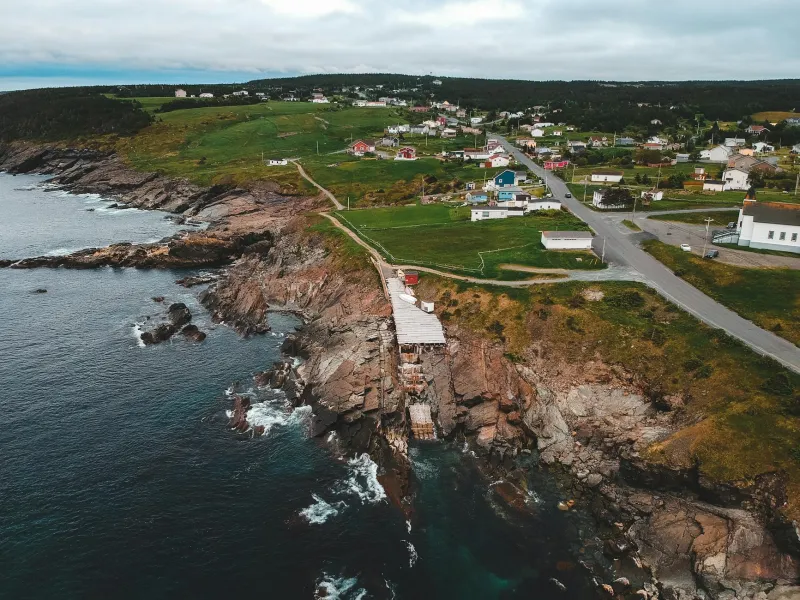
The village's physical geography proved equally influential. The dramatic meeting of highland and sea that defines Dunbeath today shaped young Neil's sense of boundary and belonging. The river that tumbles down through the strath – later immortalised in Highland River – was his constant companion, a silver thread connecting the mysteries of the inland hills to the familiar certainties of the coastal community.
Characters in the Making
The people of Dunbeath during Gunn's childhood were far from the stereotypical Highland figures often found in romantic literature. They were complex individuals navigating the tensions between traditional ways and an increasingly modern world. The local minister, the postmaster, the harbour workers – each contributed threads to the rich tapestry of character types that would populate Gunn's later novels.
Particularly influential was his neighbour, old Roderick MacLeod, a retired sea captain whose evening stories of distant ports and strange encounters opened young Neil's eyes to worlds beyond the Highland coast. MacLeod's kitchen became an informal salon where the boy learned that every life contains multiple stories, and that the art lies in knowing which ones to tell.
Seeds of Literary Genius
What emerges from examining Gunn's Dunbeath childhood is not the expected picture of a bookish, solitary youth, but rather that of a deeply observant participant in community life. His later novels' authentic portrayal of Highland social dynamics stemmed from genuine experience of how small communities function – their hierarchies, their unspoken rules, their capacity for both kindness and cruelty.
The themes that would define his mature work – the tension between tradition and progress, the complex relationship between individual and community, the profound connection between people and place – all had their origins in his daily experiences as a Dunbeath child.
A Living Legacy
Today's visitors to Dunbeath can still trace the geography of Gunn's childhood imagination. The old schoolhouse stands testament to his formal education, whilst the harbour continues to provide the same dramatic backdrop that fired his young imagination. The river still flows with the same urgent energy he captured in Highland River, and the coastal paths he tramped as a boy remain largely unchanged.
What makes Dunbeath special isn't just its association with a famous writer, but its demonstration of how place and community can nurture extraordinary talent. In understanding how the village shaped Neil Gunn, we gain insight not just into one man's artistic development, but into the continuing power of Highland communities to inspire and sustain creative spirits.
For those seeking to understand both Gunn's literary achievement and Dunbeath's enduring appeal, the answer lies not in grand gestures or dramatic events, but in the quiet accumulation of daily experiences that transform observation into art, and childhood memories into lasting literature.