Nature's Calendar: When to Visit Dunbeath for the Perfect Highland Experience
There's no wrong time to visit Dunbeath, but there are certainly perfect moments. This Highland village dances to nature's rhythm, transforming with each passing month in ways that can catch even seasoned visitors by surprise. Understanding these seasonal shifts is like having a key to unlock the very best of what this coastal gem has to offer.
Spring: The Great Awakening (March-May)
March arrives in Dunbeath with a tentative whisper rather than a shout. The harbour walls still bear winter's salt scars, but look closer and you'll spot the first brave primroses pushing through the clifftop grass. By April, the transformation is unmistakable. The Dunbeath Strath becomes a carpet of wild hyacinths, their purple haze visible from the castle ruins above.
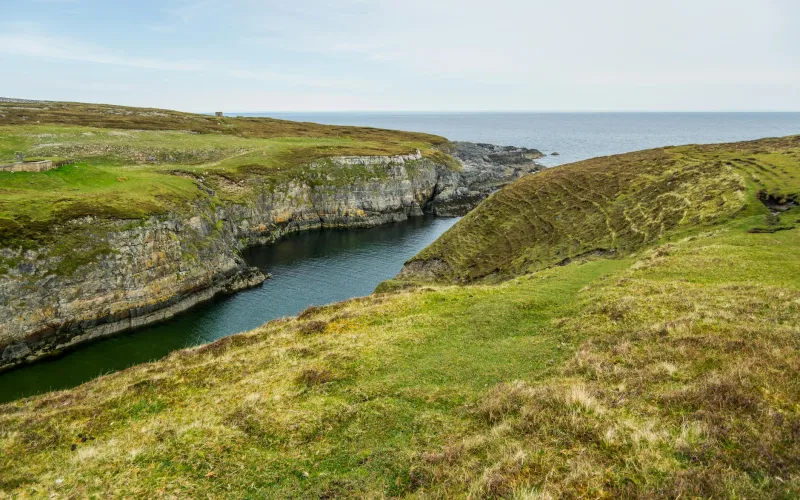
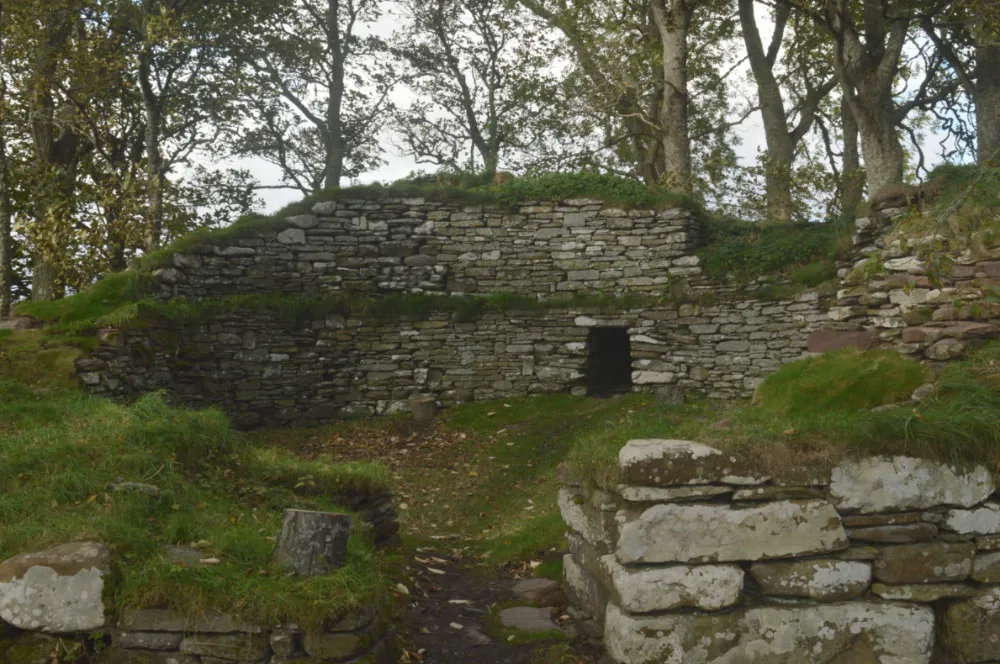 Photo: Dunbeath Strath, via ahighlandblend.com
This is prime walking weather. The summer crowds haven't arrived, yet the days stretch noticeably longer each week. Early May brings the spectacle of nesting seabirds returning to the cliffs – gannets, fulmars, and kittiwakes creating a raucous symphony that drowns out even the North Sea's persistent murmur.
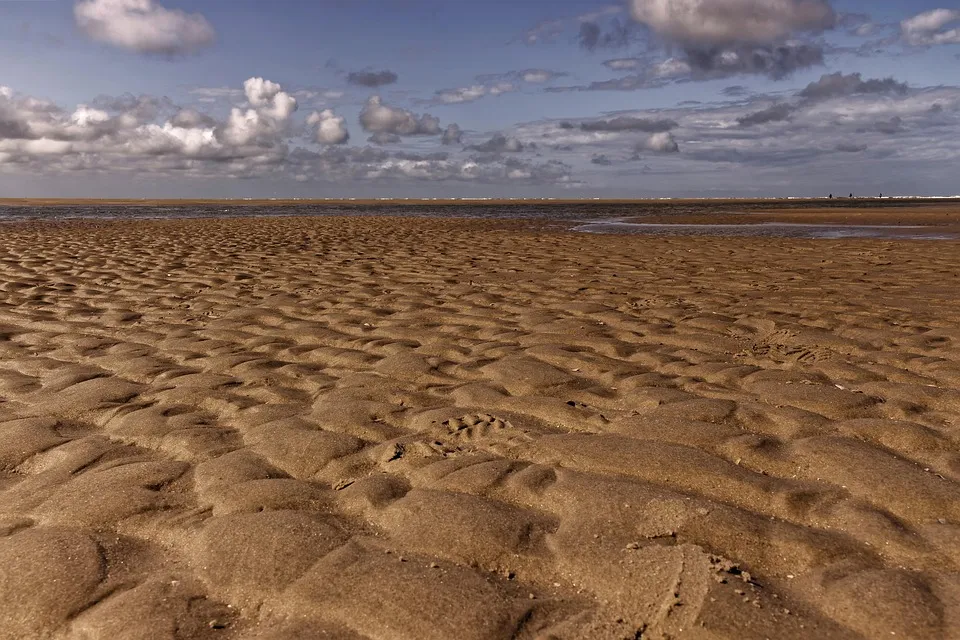 Photo: North Sea, via cdn.pixabay.com
For photographers, spring light in Dunbeath is unmatched. The low sun angle creates drama across the landscape that summer's harsh brightness simply cannot replicate. Pack waterproofs though – April showers here arrive with Atlantic force.
Summer: The Land of the Midnight Sun (June-August)
June transforms Dunbeath into something almost Scandinavian. The sun barely sets, creating those legendary Highland summer evenings where 10pm feels like afternoon. The heritage centre bustles with visitors, but venture beyond the village centre and you'll still find solitude aplenty.
This is family time in Dunbeath. Children can safely explore rock pools at low tide, while parents appreciate the long daylight hours that make evening walks along the coastal path feel leisurely rather than rushed. Wild camping becomes genuinely appealing – though always check with local landowners first.
July brings the warmest seas, making the harbour area perfect for a quick dip if you're brave enough. More realistically, it's ideal weather for picnics along the strath or extended photography sessions capturing the interplay of light on water.
August sees the first hints of autumn's approach. Heather begins to purple the hillsides, and there's often a clarity to the air that makes distant peaks appear surprisingly close.
Autumn: Drama and Reflection (September-November)
September in Dunbeath is perhaps the year's best-kept secret. Summer's crowds have departed, yet the weather often remains surprisingly mild. The changing light creates daily masterclasses in natural photography, with golden hour stretching longer as the sun's arc drops.
This is mushroom season in the surrounding woodlands – though stick to admiring rather than picking unless you're absolutely certain of identification. The Dunbeath Water runs clearer now, and salmon can sometimes be spotted making their way upstream.
October brings the real theatre. Atlantic storms begin their winter assault on the coast, creating spectacular displays of nature's power. The harbour becomes a front-row seat for watching waves crash against ancient stone walls. It's exhilarating rather than threatening – Dunbeath has weathered far worse for centuries.
November can be wild or wonderfully calm. When high pressure settles over Scotland, the clarity of Highland air is breathtaking. The castle ruins stand stark against winter skies, and you begin to understand why this landscape inspired generations of writers and artists.
Winter: Raw Beauty (December-February)
Don't write off winter in Dunbeath. Yes, it's cold. Yes, daylight is precious – sometimes just six hours between sunrise and sunset. But this is when the village reveals its most honest character.
December storms can be magnificent. Watching the North Sea rage from the safety of a warm café or the heritage centre creates an almost primal connection to Scotland's maritime heritage. The village becomes intimate, cosy even, with local conversations flowing more freely when tourist season pressures ease.
January often brings the year's clearest skies. With minimal light pollution, Dunbeath becomes an astronomer's paradise. The Milky Way stretches overhead with startling clarity, and aurora displays, while rare, do occasionally grace these northern skies.
February hints at spring's eventual return. Snowdrops appear in sheltered spots, and there's often a quality to the light that photographers recognise as distinctly Highland – crisp, clean, and somehow more honest than summer's golden glow.
Planning Your Perfect Visit
The key to timing your Dunbeath visit lies in matching your interests to nature's calendar. Wildlife enthusiasts should aim for late spring or early summer. Photographers might prefer autumn's dramatic light or winter's stark beauty. Families naturally gravitate toward summer's long days and milder weather.
But perhaps the real secret is this: Dunbeath rewards those who visit more than once. Each season reveals different facets of this remarkable place where Highland meets sea. Your first visit might introduce you to the village's character, but subsequent trips will unveil layers of meaning that single visits simply cannot capture.
After all, the Highland calendar isn't just about weather – it's about understanding how a community has learned to thrive in harmony with some of Scotland's most elemental forces. That's a lesson worth learning, whatever time of year you choose to visit.