Margaret MacLeod: The Last Gaelic Songkeeper
In a cottage overlooking Dunbeath harbour, 78-year-old Margaret MacLeod keeps alive songs that have echoed through Highland homes for centuries. Every Tuesday evening, her sitting room fills with the haunting melodies of traditional Gaelic ballads – songs her grandmother taught her as a child, passed down through generations of women who understood that music carried more than melody.
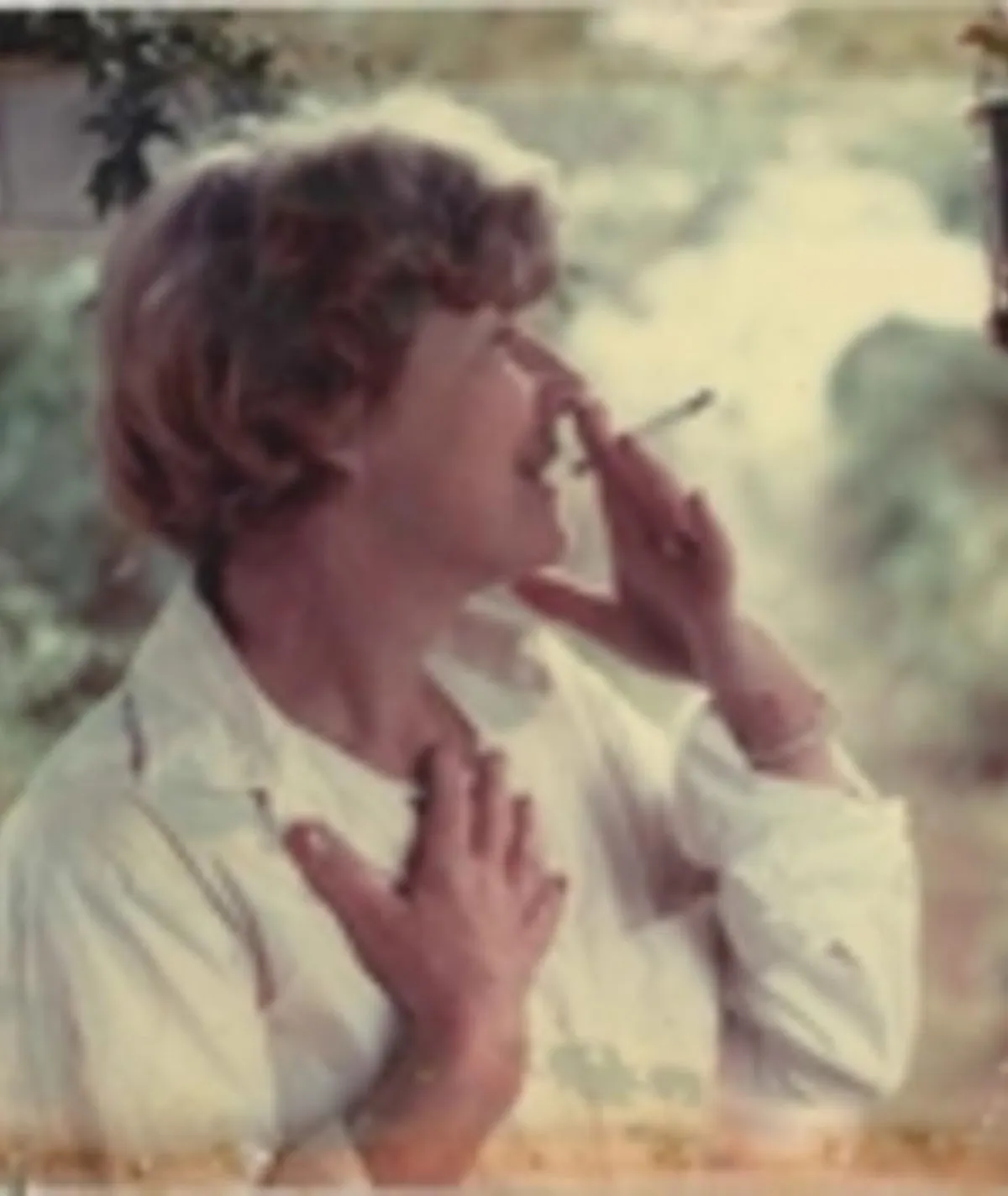 Photo: Margaret MacLeod, via images.mubicdn.net
"These songs hold our history," Margaret explains, her fingers moving instinctively to accompany her voice. "They tell of the herring boats coming home, of lovers separated by emigration, of the way life felt when the seasons ruled everything."
Margaret learned her repertoire not from books but from the oral tradition that once thrived in crofting communities across Caithness. Now, she's one of the few remaining carriers of this musical heritage, teaching anyone willing to learn. Visitors can join her informal sessions by simply asking at the village shop – Margaret's door is always open to those genuinely interested in hearing Scotland's musical soul.
Her collection includes work songs once sung during communal tasks, lullabies that soothed Highland children, and the haunting laments that marked significant community events. Each song comes with its story, its context, its place in the rhythm of Highland life that existed long before tourism discovered these shores.
Hamish Sinclair: Master of the Ancient Craft
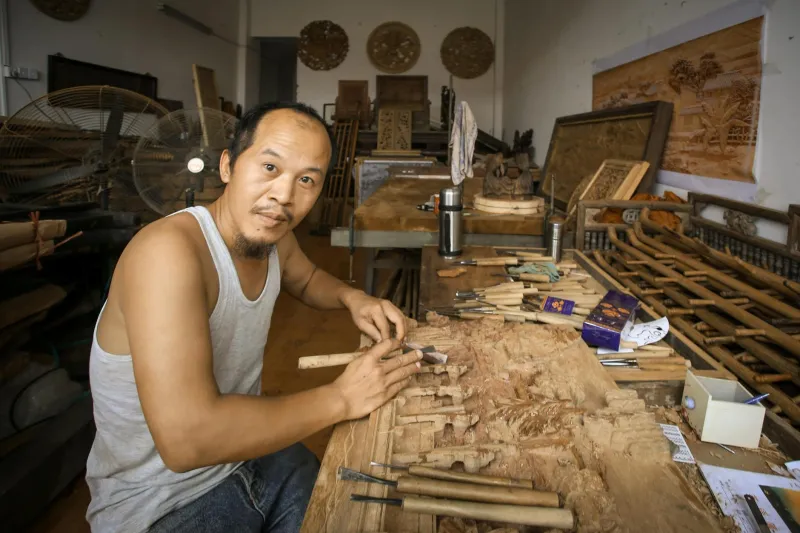
Down at the harbour, 65-year-old Hamish Sinclair continues building boats using techniques his great-grandfather brought to Dunbeath in the 1890s. In an age of fibreglass and mass production, Hamish's workshop remains a testament to craftsmanship that prioritises longevity over speed.
 Photo: Hamish Sinclair, via assets.mycast.io
"Every piece of wood tells you what it wants to become," he says, running weathered hands along a hull taking shape in his workshop. "You can't rush the timber, and you can't shortcut the joints. The sea will find any weakness you've left behind."
Hamish learned his trade through the traditional apprenticeship system, spending years observing before touching tools, understanding wood grain before attempting complex joints. His boats – built for local fishermen and increasingly for heritage enthusiasts – represent more than transport. They embody a relationship with the sea that industrial methods have largely forgotten.
Visitors can watch Hamish work most weekday mornings, though he warns that boat-building operates on Highland time. "The wood's ready when it's ready," he grins. "Tourists expecting a performance schedule usually leave disappointed, but those who understand craftsmanship stay for hours."
His workshop also serves as an informal museum of maritime heritage, filled with tools whose names and purposes are gradually being forgotten. Hamish delights in explaining the subtle differences between various adzes, the reasoning behind specific joint techniques, the way Highland boat-builders adapted Scandinavian methods to local conditions.
Flora MacDonald: Guardian of the Healing Garden
Behind an unassuming garden gate near the village centre, Flora MacDonald maintains what might be Scotland's most comprehensive collection of traditional Highland medicinal plants. Her herb garden represents centuries of folk knowledge about healing, passed down through generations of Highland women who served as their communities' primary healthcare providers.
"Before the doctor came to Dunbeath, women like my great-grandmother kept everyone healthy with what grew wild on the moors," Flora explains, pointing out meadowsweet for headaches, yarrow for wounds, and bog myrtle for keeping midges at bay. "This knowledge saved lives for centuries – it seems wrong to let it die with my generation."
Flora's garden isn't merely historical recreation. She still prepares traditional remedies for neighbours who prefer herbal treatments, though she's careful to work alongside rather than against modern medicine. Her shelves contain tinctures, salves, and dried preparations made according to recipes preserved in handwritten notebooks passed down through her family.
Visitors can arrange garden tours through the Heritage Centre, though Flora prefers small groups who genuinely want to learn. She teaches the identification of wild medicinal plants, the proper harvesting times, and the preparation methods that transform Highland flora into healing remedies. Her knowledge extends beyond plants to include the songs and stories traditionally associated with gathering and preparing medicines.
Donald Ross: The Crofting Chronicler
High on the hillside above Dunbeath, Donald Ross maintains one of Caithness's last working crofts according to traditional methods. At 72, he represents a direct link to the agricultural practices that sustained Highland communities for centuries, farming the same small plots his ancestors cleared from heather and bog.
"Modern farming feeds cities," Donald observes, watching his small flock of North Country Cheviot sheep graze ancient pastures. "Crofting fed families. Different purposes, different methods, different relationships with the land."
Donald's croft operates much as it would have a century ago. He saves his own seed, breeds livestock for hardiness rather than maximum yield, and maintains the complex rotation systems that kept Highland soil fertile without chemical inputs. His oats and barley varieties are traditional Scottish strains, better adapted to northern conditions than modern hybrids.
Visitors can experience authentic croft life by arrangement, helping with seasonal tasks from haymaking to sheep gathering. Donald's stories of crofting life – the communal work parties, the seasonal migrations to summer pastures, the intricate social systems that governed land use – provide insights into Highland society that no museum display can match.
His outbuildings contain tools and equipment representing generations of Highland ingenuity, from traditional peat-cutting spades to the hand-cranked machinery that processed oats into meal. Each implement tells stories of adaptation, of making do, of the resourcefulness that enabled survival in challenging conditions.
Jamie MacKay: Keeper of the Stone Stories
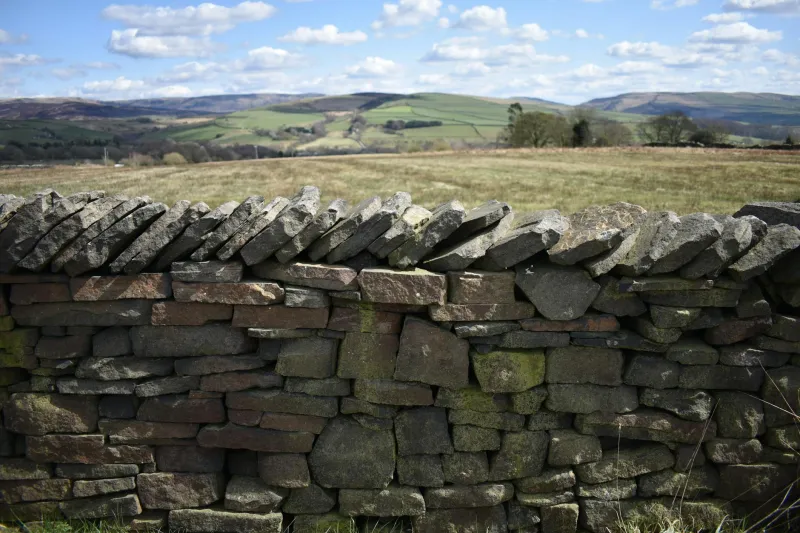
The youngest of our tradition-keepers, 45-year-old Jamie MacKay learned dry-stone walling from his grandfather and now maintains the ancient field boundaries that pattern Dunbeath's landscape. In an age of wire fencing and concrete posts, Jamie preserves techniques that create walls capable of lasting centuries.
"Every stone has its place," Jamie explains, rebuilding a collapsed section of boundary wall. "The old wallers could look at a pile of stones and see the wall hidden inside. It's like a three-dimensional puzzle where every piece must fit perfectly."
Jamie's work extends beyond maintenance to archaeology. Highland stone walls contain layers of history – evidence of field expansion, boundary disputes, changes in farming practice. His trained eye can read these stories in the stones, identifying different building periods, understanding the social forces that shaped the landscape.
Visitors interested in traditional building techniques can join Jamie's informal workshops, learning to select stones, understand weight distribution, and appreciate the engineering principles that make dry-stone walls stable without mortar. His knowledge encompasses not just technique but the social aspects of walling – the community cooperation required for major projects, the unwritten rules governing boundary maintenance, the way stone walls shaped Highland society.
The Living Heritage Network
These five individuals don't work in isolation. They form part of Dunbeath's living heritage network, supporting each other's efforts, sharing knowledge, and ensuring that traditional skills remain relevant to contemporary life. Their workshops, gardens, and gathering places create opportunities for visitors to engage with authentic Highland culture rather than staged performances.
Together, they demonstrate that heritage preservation isn't about freezing the past but about keeping valuable knowledge alive and adaptable. In Dunbeath, tradition continues to evolve, meeting contemporary needs while maintaining its essential character – exactly as it has for centuries.