The Taste of Place
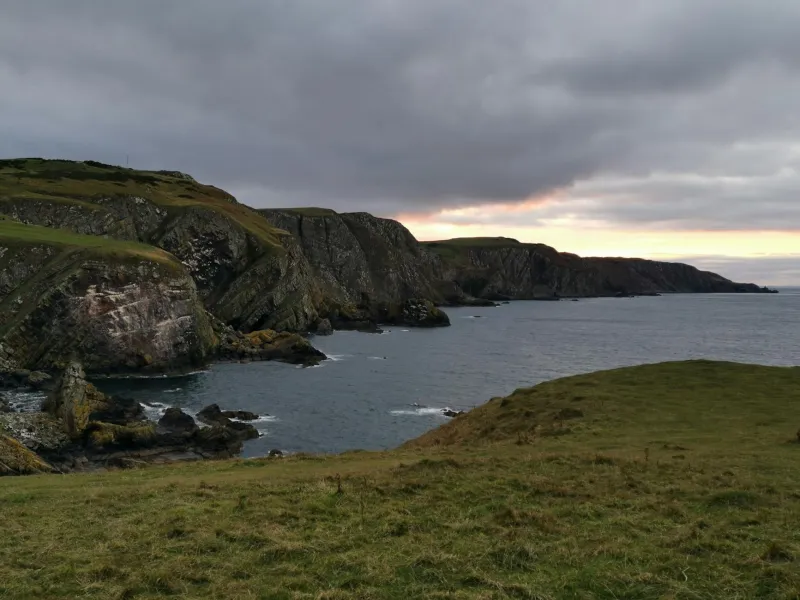
There's something magical happening in Scottish kitchens from Edinburgh to Inverness, and it starts with ingredients that most of us have forgotten existed. Chefs across the country are rediscovering the profound flavours that emerge when land meets sea along Dunbeath's dramatic coastline, turning to local producers who never stopped believing in the power of place.
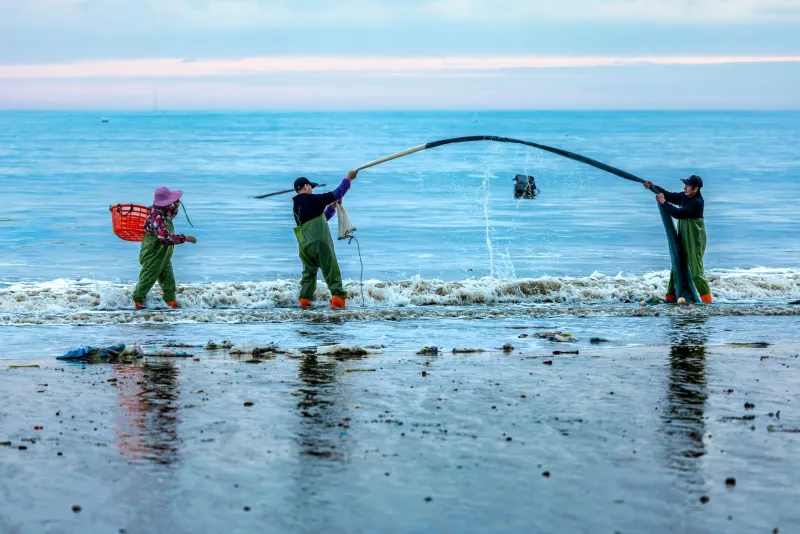
Maggie Sinclair knows this better than most. For thirty years, she's been harvesting sea vegetables from the rocky shores below Dunbeath Castle, following techniques passed down through generations of coastal families. "My grandmother showed me which tides to watch, which rocks hold the sweetest dulse," she explains, her weathered hands expertly selecting fronds of sea lettuce that shimmer like emeralds in the morning light. "Now I've got restaurants in Glasgow asking for things my family ate every day."
 Photo: Dunbeath Castle, via www.caithnessandsutherland.com
From Shore to Plate
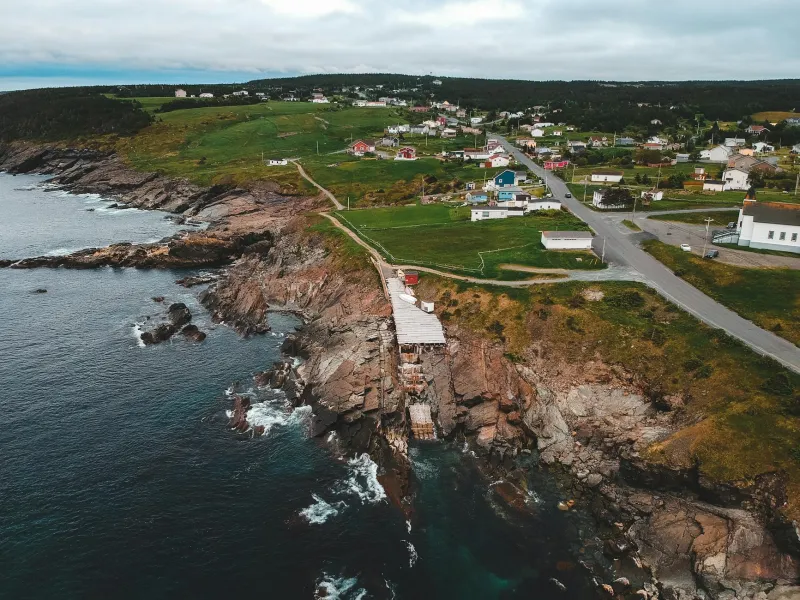
The revival isn't limited to what the sea provides. James MacLeod's small croft above Dunbeath harbour produces some of the most sought-after lamb in the Highlands, raised on pastures where salt spray mingles with heather. His animals graze the clifftop meadows that have sustained livestock for centuries, developing a distinctive mineral richness that Edinburgh's finest establishments now prize.
"The flavour comes from the environment," MacLeod insists, watching his flock navigate the ancient field boundaries. "These sheep taste the sea in every blade of grass. You can't replicate that anywhere else."
Restaurant Locanda in Edinburgh's New Town has built an entire seasonal menu around what they call "the Dunbeath collection" – ingredients sourced exclusively from this stretch of Caithness coast. Head chef Sarah Morrison makes the journey north quarterly, building relationships with producers and understanding the rhythms that govern their harvests.
"When you taste Maggie's carrageen moss or James's salt marsh lamb, you're experiencing something that connects directly to this specific place," Morrison explains. "That's what Scottish cuisine should be about – not tartan tablecloths and haggis, but the genuine expression of our landscapes."
Ancient Grains, Modern Appreciation
Perhaps nowhere is this revival more evident than in the renaissance of heritage grains. The Dunbeath Heritage Watermill, lovingly restored and operational once again, now produces stone-ground oatmeal and barley flour that bears little resemblance to supermarket alternatives. Miller David Ross sources his grain from crofts within a five-mile radius, maintaining varieties that have adapted to this northern climate over centuries.
 Photo: Dunbeath Heritage Watermill, via static.wixstatic.com
"These aren't museum pieces," Ross emphasises, running golden grains through his fingers. "They're living ingredients with flavours that modern varieties have lost. When you taste bread made from our six-row barley, you understand why our ancestors thrived here."
The mill's produce now appears in bakeries across Scotland, from artisan loaves in Stirling to breakfast porridge at luxury hotels in the Cairngorms. Each bag carries not just flour, but the story of a landscape and the people who've shaped it.
Foraging Wisdom
What sets Dunbeath's food revival apart is its deep connection to traditional knowledge. Local foraging guide Morag Campbell leads walks that combine practical harvesting with cultural history, teaching visitors to identify everything from wild garlic in the strath to pepper dulse on the shore.
"Every plant has its season, its proper use," Campbell explains, pointing out clusters of wild thyme growing in the shelter of ancient field walls. "My great-aunt could cure a cold with what grew in her garden, flavour a stew with what the tide brought in. That knowledge is precious – it shouldn't be lost."
Restaurant partnerships have proven vital to preserving these skills. Campbell now supplies wild herbs to three Michelin-starred establishments, creating a market for knowledge that might otherwise disappear with the older generation.
Tasting the Tradition
For visitors wanting to experience these flavours firsthand, Dunbeath offers several exceptional opportunities. The Dunbeath Heritage Centre runs monthly "Taste of Place" events, where local producers demonstrate traditional techniques alongside contemporary applications. Maggie Sinclair often appears, showing visitors how to prepare sea vegetables while sharing stories of coastal life.
The Watermill Café, operating within the working mill, serves perhaps the finest traditional Highland breakfast in Scotland, using exclusively local ingredients. Their porridge, made from oats milled that morning, accompanied by James MacLeod's bacon and Morag Campbell's wild herb butter, offers a genuine taste of what sustained generations along this coast.
For those wanting to take flavours home, the Heritage Centre shop stocks carefully selected local produce. Maggie's dried sea vegetables, David's stone-ground flours, and preserves made from wild berries gathered in Dunbeath Strath create a larder that tells the story of this remarkable landscape.
A Living Tradition
What makes Dunbeath's food revival so compelling is its authenticity. This isn't manufactured heritage or culinary tourism – it's the continuation of practices that never entirely disappeared, now finding new appreciation in a world increasingly disconnected from the sources of its sustenance.
As Maggie Sinclair puts it, standing among the rock pools where she's harvested for three decades: "The sea and the land have always provided here. We're just remembering how to listen to what they're telling us."
In an age of global food chains and industrial agriculture, Dunbeath's producers offer something increasingly rare – the authentic taste of place, shaped by geology, climate, and generations of accumulated wisdom. For Scottish cuisine, it represents not just a return to roots, but a path towards a more meaningful relationship with the landscapes that sustain us.