The Hidden Harvest: Uncovering Dunbeath's Forgotten Crofting Legacy
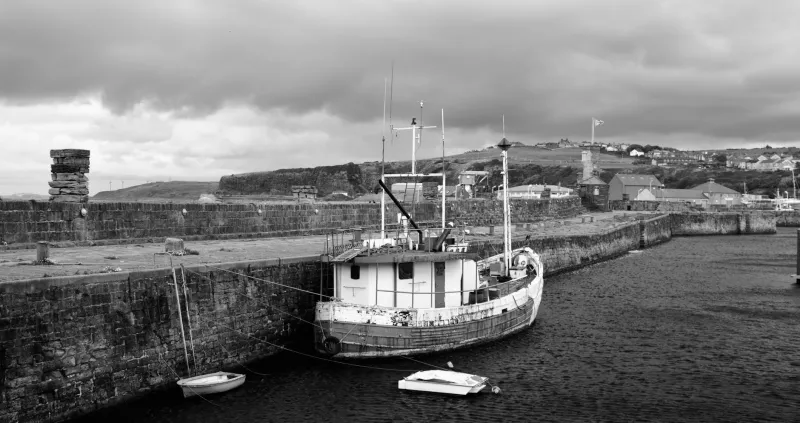
Walk inland from Dunbeath's harbour, past the last cottages where salt air mingles with the scent of peat smoke, and you'll find yourself stepping into a landscape that tells stories. Not the grand narratives of clan battles or literary fame, but the quieter, more persistent tale of how ordinary people shaped extraordinary lives from the raw materials of Highland earth and coastal waters.
Reading the Land's Memory
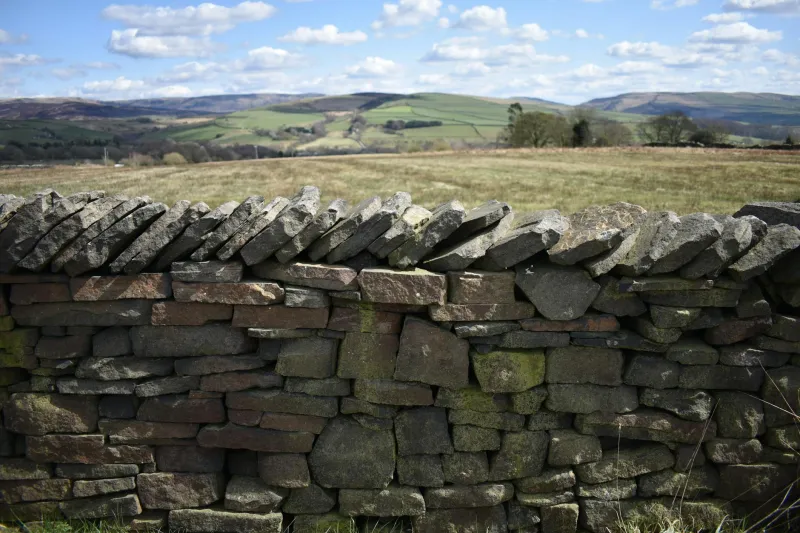
The evidence is everywhere once you train your eye to see it. Those tumbled stone walls threading across the hillside aren't random scatter—they're the skeletal remains of centuries-old field systems. Each carefully placed stone represents hours of back-breaking labour, clearing the ground one boulder at a time to create precious pockets of arable land in a landscape that seemed determined to resist cultivation.
These dry-stone dykes, some dating back three centuries or more, divided the crofting landscape into a patchwork of possibility. Here, a small field where oats might catch the morning sun. There, a sheltered corner where potatoes could escape the worst of the Atlantic gales. The positioning wasn't random—it reflected generations of accumulated wisdom about microclimates, drainage, and the subtle variations in soil quality that could mean the difference between feast and famine.
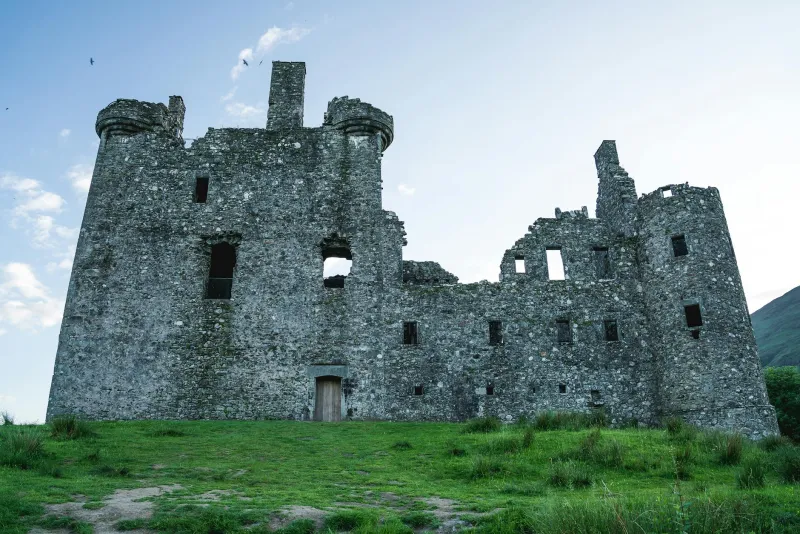
Peer closer at these ruins, and you'll spot the remains of bothies and outbuildings. These weren't grand structures—most were simple stone and turf constructions that have long since surrendered to wind and weather. But they were the beating heart of a complex agricultural system that sustained families through Highland winters that could stretch from October to May.
The Rhythm of Survival
Crofting in Dunbeath was never just about farming. The genius of the system lay in its flexibility, its ability to weave together multiple strands of subsistence into something approaching security. Spring meant preparing the land, but it also meant gathering seaweed from the shore—not just for the pot, but as precious fertiliser that would transform thin Highland soil into something that might actually grow crops.
Summer brought the long days of cultivation, but clever crofters knew that the real harvest came from the sea. When the herring shoals arrived, every able-bodied person would abandon the fields for the shore. Women would gut fish until their hands were raw, men would haul nets until their backs screamed, and children would run errands between boat and shore. The money earned in these frantic weeks might have to last the year.
Autumn meant gathering in whatever the land had yielded—perhaps enough oats for porridge through the winter, potatoes to fill the clamp, hay to keep a cow or two alive until spring. But it also meant preparing for the seasonal migrations that kept Highland communities alive. Young men would head south for harvest work in the Lowlands, or west to the fishing grounds of the Hebrides.
Winter was the time of making do, of stretching resources, of the long evenings when stories were told and traditions passed down. It was also when the skills that made crofting possible were honed—the ability to repair tools with nothing but ingenuity, to coax warmth from peat fires, to read weather signs in the behaviour of birds or the colour of the evening sky.
The Architecture of Adaptation
The crofting landscape around Dunbeath tells the story of constant adaptation. Look carefully at those field systems, and you'll notice how they've been modified over time—walls rebuilt, boundaries shifted, new enclosures added as families grew or circumstances changed. This wasn't a static way of life, but a dynamic response to changing conditions.
The positioning of settlements reveals the same pragmatic intelligence. Croft houses were typically built on slight rises—high enough to avoid the worst of winter flooding, but low enough to escape the full fury of Atlantic storms. They faced south-east when possible, catching the morning sun while turning their backs to the prevailing winds.
Many of these sites are still marked by the ruins of blackhouses—the traditional Highland dwellings with their thick stone walls, thatched roofs, and central hearths that filled the interior with smoke but also kept it warm. The smoke wasn't just tolerated—it was valued for preserving meat and fish hung from the rafters, creating a natural preservation system that could keep food edible through the lean months.
Traces in Today's Landscape
For modern visitors to Dunbeath, understanding this crofting heritage transforms the experience of exploring the glen. Those seemingly empty hillsides suddenly teem with invisible activity—the ghostly presence of communities that once made these slopes their home. The scattered rowan trees that dot the landscape aren't random—they mark the sites of old settlements, planted for their supposed protective properties and their practical value as a source of winter fodder.
The network of old tracks that criss-crosses the hills makes sense when you realise they connected not just settlements, but the various resources that made life possible—the peat banks where fuel was cut, the shielings where cattle were taken for summer grazing, the springs that provided clean water.
Even the modern A99 that brings visitors to Dunbeath follows routes carved out by centuries of foot traffic—the paths that connected this coastal community to the inland settlements of Caithness, carrying news, trade goods, and the constant flow of people that kept Highland society alive.
Legacy in Living Memory
Though the last traditional crofts ceased operating decades ago, their influence lingers in Dunbeath's character. The community's instinctive connection to both land and sea, its resilience in the face of economic uncertainty, its ability to find opportunity in the most unlikely places—these are all inheritances from the crofting past.
Today's visitors can trace this heritage not just in the archaeological remains scattered across the landscape, but in the stories still told, the skills still remembered, the way the community instinctively pulls together when times are hard. The crofting legacy isn't just history—it's part of what makes Dunbeath the place it remains today, where Highland meets sea and past informs present in ways both visible and profound.