Feathers and Tides: A Highland Birdwatcher's Paradise Revealed
There's something almost mystical about standing on Dunbeath's clifftops at half-past five on a May morning, watching the first rays of Highland sun illuminate thousands of seabirds beginning their daily ritual. The cacophony of calls echoes off ancient sandstone cliffs whilst below, the North Sea crashes against rocks that have witnessed countless generations of wings taking flight.
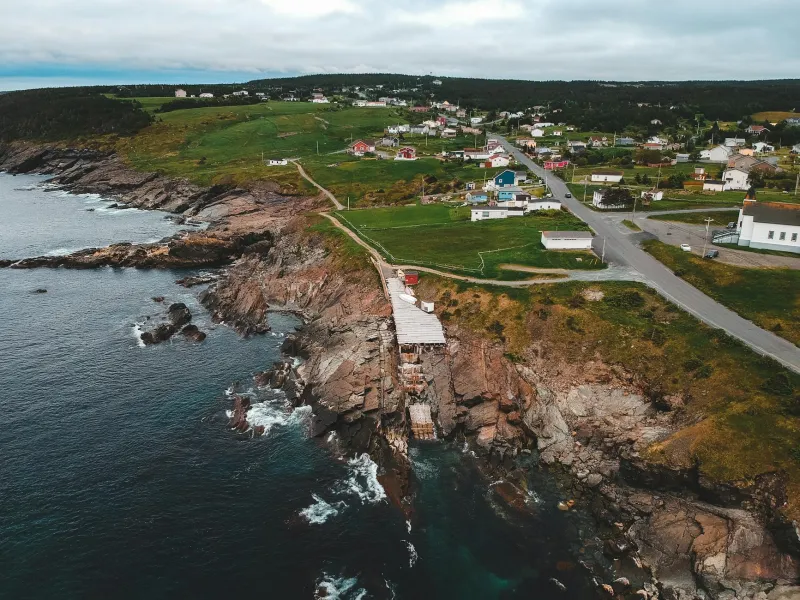
For Britain's birdwatching fraternity, Dunbeath represents something increasingly rare: a coastal haven where nature still dictates the rhythm of life. This unassuming Caithness village, nestled where the dramatic Highland landscape tumbles into the sea, has quietly established itself as one of Scotland's premier birding destinations.
Spring Awakening: The Clifftop Cities Come Alive
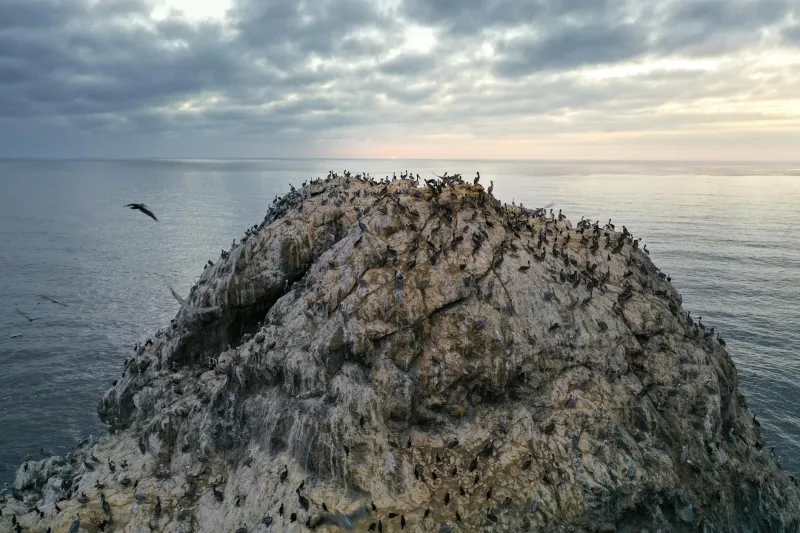
By early April, Dunbeath's sea cliffs transform into bustling avian metropolises. The dramatic sandstone faces that guard the village become home to one of northern Scotland's most impressive seabird colonies. Fulmars return from their winter wanderings to reclaim prime ledge real estate, their distinctive tube-nosed profiles silhouetted against the morning sky.
The real spectacle begins when the kittiwakes arrive. These elegant gulls, with their distinctive yellow bills and coal-black wing tips, create a living wallpaper across the cliff face. Their gentle "kittee-waak" calls give the species its name, and by late spring, the sound becomes the soundtrack to any coastal walk.
For the dedicated birder, the clifftop path north of the harbour offers the finest vantage points. Armed with decent binoculars and a thermos of tea, visitors can spend hours watching the intricate social dynamics of these cliff-dwelling communities. The key is patience – and perhaps a windproof jacket, as Caithness breezes have little respect for even the most dedicated ornithologist.
Summer's Bounty: When the Moors Come Alive
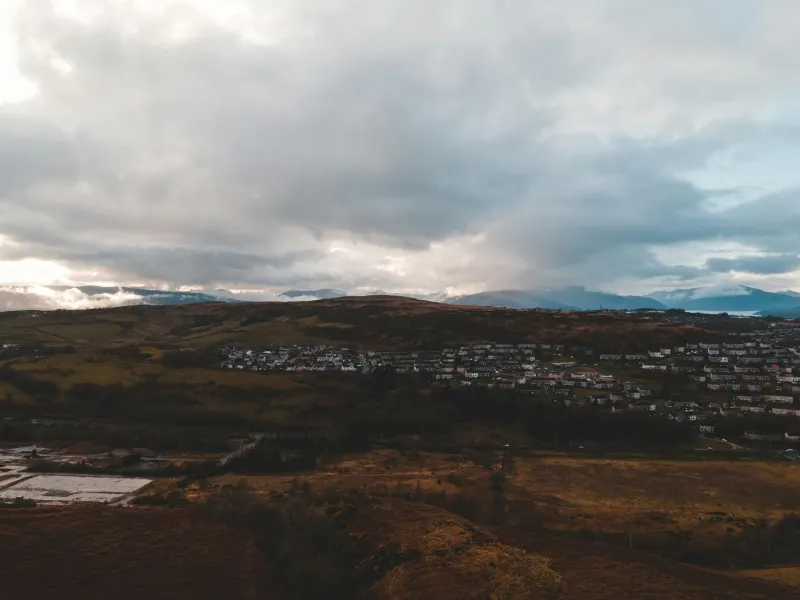
Whilst the cliffs capture most attention, Dunbeath's inland treasures reveal themselves to those willing to venture beyond the coastal path. The moorland that stretches inland towards Loch Stemster becomes a tapestry of birdsong throughout the summer months.
Skylarks spiral upwards from the heather, their liquid songs cascading down like musical rain. Meadow pipits dart between tussocks of grass, whilst the haunting call of curlews drifts across the landscape like a Highland lament. These are the sounds that inspired Neil Gunn's lyrical descriptions of the Caithness countryside, and they remain as evocative today as when he first put pen to paper.
The patient observer might catch glimpse of a short-eared owl quartering the moor in broad daylight, or spot a merlin – Britain's smallest raptor – dashing low across the heather in pursuit of its next meal. These encounters feel especially precious in our increasingly crowded island nation.
Autumn Passage: The Great Migration
September brings a different energy to Dunbeath's birdlife. The breeding colonies begin to disperse, but the village becomes a staging post for one of nature's greatest spectacles – the autumn migration. The Dunbeath Water estuary, often overlooked during the frenetic summer breeding season, suddenly becomes the star attraction.
Waders arrive in impressive numbers, treating the mudflats and rocky shores as an essential refuelling station. Turnstones live up to their name, methodically flipping pebbles in search of hidden invertebrates. Dunlin probe the mud with mechanical precision, whilst purple sandpipers negotiate the wave-washed rocks with remarkable agility.
Local birders have learned to time their visits with the tide tables – the two hours either side of low tide offer the finest opportunities to observe these coastal wanderers. The old pier provides an excellent viewpoint, allowing observers to watch the feeding frenzy without disturbing the birds.
Winter's Quiet Drama
Dunbeath's winter birdlife operates on a more subtle frequency, but rewards those willing to brave the Highland elements. The summer's cacophony gives way to a more contemplative soundtrack. Great northern divers appear offshore, their haunting calls carrying across the water on still mornings.
The village's gardens and surrounding farmland provide refuge for finch flocks, whilst the hardy residents of the cliffs – ravens, peregrines, and the occasional white-tailed eagle – continue their year-round vigil. These winter months offer perhaps the most intimate birding experiences, when a chance encounter with a snow bunting or shore lark feels like discovering hidden treasure.
The Practical Birder's Guide
Successful birdwatching in Dunbeath requires little more than enthusiasm and appropriate clothing. The coastal path provides easy access to the main seabird colonies, whilst the single-track road towards Loch Stemster opens up the moorland habitat.
Timing matters enormously. Early morning visits (sunrise to 10am) typically offer the most active bird behaviour, whilst late afternoon light can be spectacular for photography. Weather conditions play a crucial role too – whilst strong winds might ground some species, they often bring unexpected visitors closer to shore.
The village's position on the North Sea migration route means that almost anything might turn up. Rare vagrants from Scandinavia occasionally grace local bird logs, adding an element of excitement to every outing.
Where Nature Still Rules
What sets Dunbeath apart in Britain's crowded birdwatching landscape is its authenticity. This isn't a managed reserve with hides and interpretation boards – it's a working Highland community where wildlife and human activity have found their natural balance.
The rhythm of the tides, the changing seasons, and the ancient patterns of migration continue much as they have for millennia. For the modern birdwatcher, seeking respite from our increasingly digital world, Dunbeath offers something precious: a chance to reconnect with the natural rhythms that once governed all our lives.
Standing on those clifftops, binoculars trained on a distant gannet or listening to the liquid notes of a skylark, visitors invariably find themselves slowing down, breathing deeper, and remembering why they fell in love with birdwatching in the first place.