The Wheel That Never Stopped: Discovering Dunbeath's Working Heart at the Heritage Watermill
The gentle sound of water trickling over stones might seem unremarkable to most visitors wandering through Dunbeath's picturesque glen. Yet follow that burn upstream, and you'll discover one of Caithness's most fascinating examples of Highland resourcefulness—a beautifully preserved watermill that once formed the beating heart of an entirely self-sufficient community.
Where Necessity Bred Innovation
Long before supermarket shelves and delivery lorries, the folk of Dunbeath faced a fundamental challenge: how do you feed a community when the nearest town might be days away by rough Highland track? The answer lay in harnessing the power that tumbled down from the hills—the same water that today draws salmon back to spawn also turned the great wooden wheel that ground barley, oats, and whatever grain the hardy crofters could coax from Caithness soil.
Built in the early 18th century, Dunbeath's watermill represents more than just clever engineering. It embodies the Highland spirit of making do, of turning geographical challenges into practical solutions. The mill's positioning wasn't accidental—nestled where the burn's flow steadies after its tumultuous descent from the moors, the site offered reliable water power year-round.
The Rhythm of Rural Life
Step inside the restored mill today, and you can almost hear the conversations that once filled this space. Farmers would arrive with sacks of grain slung across Highland ponies, waiting their turn while catching up on local news. The miller wasn't just a tradesman—he was an information hub, a credit facilitator, and often the community's unofficial timekeeper.
The mill operated on what locals called "thirlage"—a feudal system where tenants were bound to use their landlord's mill. Yet rather than mere obligation, this created a social rhythm. Harvest time meant queues of neighbours, sharing stories while waiting for their grain to be ground into the meal that would sustain families through harsh Highland winters.
Engineering Marvels in Miniature
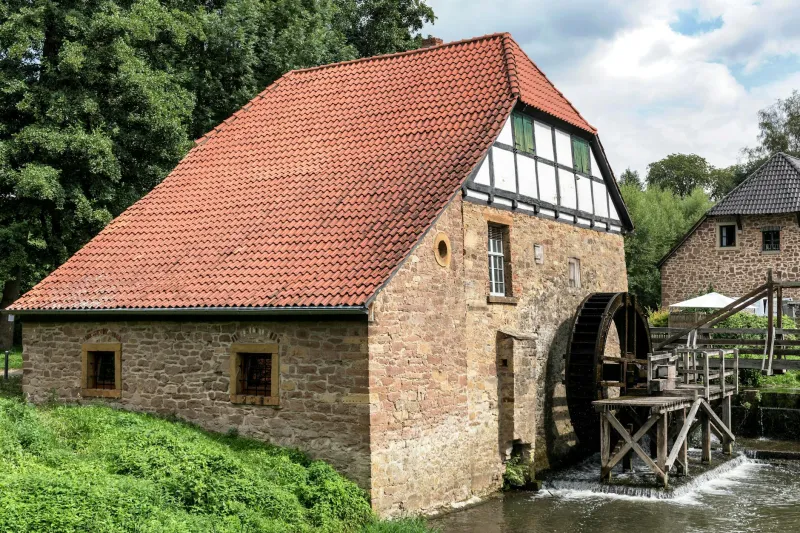
What strikes modern visitors isn't just the mill's history, but its ingenious simplicity. The overshot wheel, fed by a carefully constructed lade that channels water from upstream, demonstrates principles of physics that wouldn't be formally understood for another century. Every component—from the massive millstones quarried locally to the wooden gear trains that transferred power—was crafted by Highland hands using Highland materials.
The millstones themselves tell a particularly Scottish story. While many mills imported French burr stones for finest flour, Dunbeath's mill made do with local sandstone. The result was coarser meal perfect for Highland oatcakes and bannocks—practical food for practical people.
Decline and Renaissance
By the early 20th century, improved transport links and commercial flour mills spelled the end for most Highland watermills. Dunbeath's mill ground its last grain in the 1940s, joining hundreds of others across Scotland in peaceful decay. For decades, only the turning wheel remained, a picturesque relic slowly surrendering to Highland weather.
Then came the heritage movement of the 1980s. Local enthusiasts, recognising the mill's significance, embarked on a painstaking restoration. Using traditional techniques and materials wherever possible, they brought the mill back to working order. Today's visitors can watch grain being ground just as it was three centuries ago, the ancient rhythm restored.
A Living Museum
What makes Dunbeath's watermill special isn't just its preservation, but its accessibility. Unlike grander heritage sites, this feels genuinely lived-in. The volunteer guides are often locals whose own families remember the mill's working days. Their stories bridge centuries, connecting today's visitors with the resourceful folk who once depended on this humble building for their daily bread.
The mill also serves as a window into Highland ecology. The burn that powers it supports diverse wildlife, from dippers and grey wagtails to the occasional otter. The surrounding woodland, originally planted to shelter the mill from fierce Caithness winds, now hosts red squirrels and provides nesting sites for numerous songbirds.
Planning Your Visit
The watermill sits about a mile inland from Dunbeath village, reached by a pleasant walk along the burn. The path itself tells stories—look for the remains of stone bridges that once carried crofters and their grain to the mill. Spring visitors might spot early wildflowers, while autumn brings spectacular colour to the glen's birch and rowan trees.
Allow at least an hour for your visit, longer if you're keen on photography or simply want to soak in the peaceful atmosphere. The mill operates on weekend afternoons during summer months, though the exterior and wheel can be appreciated year-round.
Beyond the Mill Wheel
Dunbeath's watermill reminds us that sustainability isn't a modern concept. For centuries, Highland communities lived within their means, powered by renewable energy, and wasted nothing. In our age of environmental consciousness, perhaps there's wisdom to be gleaned from these practical ancestors who understood that prosperity meant working with nature, not against it.
Next time you're exploring Caithness's dramatic coastline, take an hour to venture inland. You'll discover that sometimes the most profound stories aren't found where the Highlands meet the sea, but in the quiet glens where water, stone, and human ingenuity combined to create something truly remarkable.