Where the Universe Opens Up
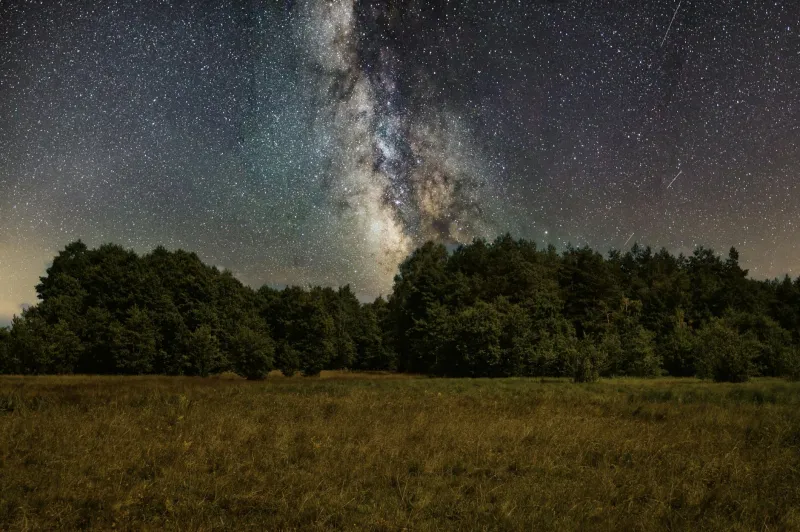
There's something magical about standing on Dunbeath's clifftops at midnight, watching the Milky Way cascade across the sky like spilled stardust. Here, where the Highlands meet the North Sea, nature puts on a nightly show that would make any planetarium weep with envy.
Dunbeath's remote position on the Caithness coast isn't just geographically significant—it's astronomically perfect. With minimal light pollution and expansive horizons, this Highland community has become an unexpected haven for stargazers seeking the kind of celestial drama that's increasingly rare in our illuminated world.
The Perfect Storm of Darkness
What makes Dunbeath exceptional for stargazing isn't just what it lacks—street lights, urban sprawl, industrial glow—but what it offers. The village sits in what astronomers call a 'dark sky zone', where the Bortle Scale (measuring light pollution) rarely rises above 2 or 3. For context, central London sits at a light-polluted 9.
The coastal location provides an unobstructed eastern horizon where you can watch constellations rise from the sea itself. There's something profoundly moving about seeing Orion emerge from the North Sea, his belt glittering above the harbour lights of distant fishing boats.
Local photographer Margaret Sinclair, who's been capturing Dunbeath's night skies for over a decade, puts it perfectly: "You don't just see the stars here—you feel them. The darkness is so complete that you start to understand why our ancestors built stone circles and navigated by celestial maps."
Prime Viewing Spots
The Harbour Wall
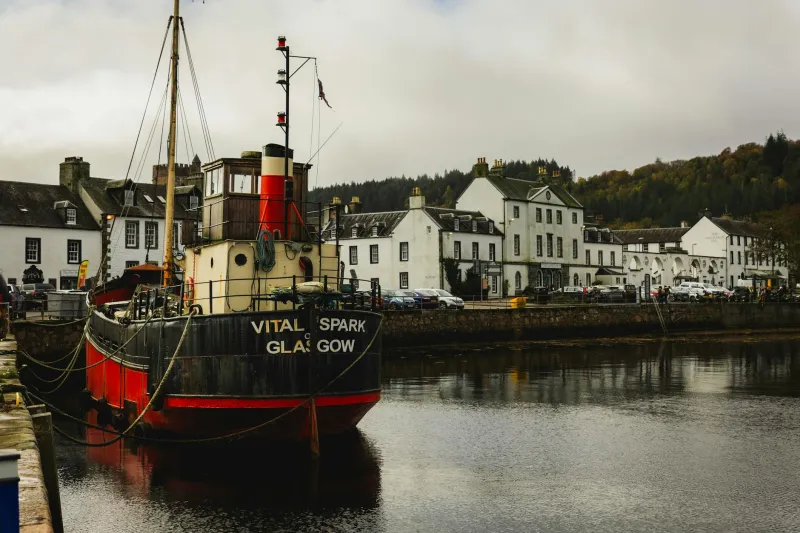
Dunbeath's harbour offers an intimate stargazing experience. The low stone walls provide natural seating, whilst the gentle lapping of waves creates a meditative soundtrack. This spot excels for planet watching—Venus and Jupiter often appear to rise directly from the water. The harbour's sheltered position also offers protection from Caithness's notorious winds.
Dunbeath Castle Clifftops
For the full cosmic theatre experience, head to the clifftops near Dunbeath Castle. Here, 150 feet above sea level, you're treated to a 180-degree panorama of sky meeting sea. This elevated position is perfect for meteor shower viewing, particularly the Perseids in August and the Geminids in December.
The ruins themselves add an otherworldly dimension to night photography, their ancient stones silhouetted against the star field like a scene from a Gothic novel.
Dunbeath Strath
A short walk inland along the Dunbeath Water leads to the strath, where the valley walls block out any residual light from the village. This spot offers the darkest skies in the area—perfect for deep sky objects like the Andromeda Galaxy, which appears as a ghostly smudge to the naked eye but reveals its spiral structure through binoculars.
Seasonal Spectacles
Summer Solstice Magic
Dunbeath's northern latitude means summer brings the phenomenon of astronomical twilight that barely ends before beginning again. During June and July, true darkness lasts only a few hours, but what you lose in duration, you gain in drama. The brief window of darkness coincides with the Milky Way's most spectacular orientation, arching from northwest to southeast.
Aurora Season
From September through March, Dunbeath becomes front-row seating for the Aurora Borealis. The village's position at 58°N puts it squarely in the aurora oval during periods of solar activity. Local WhatsApp groups often buzz with alerts when the northern lights are dancing over the harbour.
Winter's Deep Freeze
Cold, clear winter nights offer the most spectacular stargazing. Orion dominates the southern sky, whilst the Winter Triangle—formed by Sirius, Procyon, and Betelgeuse—creates a celestial landmark impossible to miss. The longer nights mean extended viewing sessions, though proper thermal clothing becomes essential.
Practical Stargazing Tips
Equipment Essentials
Whilst Dunbeath's dark skies reveal countless stars to the naked eye, a few pieces of equipment enhance the experience dramatically. A basic pair of 7x50 or 10x50 binoculars transforms star clusters into jewel boxes and reveals Jupiter's moons as tiny points of light.
For serious enthusiasts, a red torch (essential for preserving night vision) and a comfortable reclining chair make extended viewing sessions far more pleasant. The Caithness coast can be windy, so a windproof jacket and flask of hot tea are practically mandatory.
Weather Wisdom
Caithness weather can be notoriously changeable, but this works in stargazers' favour. Cloud cover often clears rapidly, and some of the most spectacular skies follow the passage of Atlantic weather systems. Check local weather apps, but don't be discouraged by partial cloud cover—gaps often provide dramatic frames for celestial objects.
Timing Your Visit
Plan visits around the new moon for the darkest skies, though a thin crescent moon can actually enhance the experience by providing subtle landscape illumination. Astronomical twilight ends roughly 90 minutes after sunset, marking the beginning of optimal viewing conditions.
The Dunbeath Difference
What sets Dunbeath apart from other dark sky locations isn't just the exceptional viewing conditions—it's the sense of place. Standing where Highland meets sea, watching ancient light from distant stars reflect off waters that have lapped this coast for millennia, creates a connection that purely inland locations simply cannot match.
The village's heritage as a fishing community adds another layer to the experience. These same stars guided generations of Dunbeath fishermen home from the North Sea, their constellations serving as celestial landmarks long before GPS satellites circled overhead.
As you plan your visit to this remarkable corner of Scotland, remember that Dunbeath's night skies aren't just about astronomy—they're about perspective, wonder, and the humbling realisation that some of the best things in life still can't be bought, only experienced.