Step Into Dunbeath's Wild Heart: The Walker's Guide to Highland Coastal Adventures
There's something magical about setting off on foot through Dunbeath's coastal landscape, where every turn reveals another chapter in this Highland village's remarkable story. Whether you're a weekend rambler or someone who usually prefers the comfort of a café to a clifftop, these walking routes offer an intimate way to experience the dramatic meeting point where Scotland's mountains tumble into the North Sea.
The Clifftop Circuit: Drama at Every Turn
The jewel in Dunbeath's walking crown has to be the clifftop path that winds northward from the harbour. This moderately challenging route (allow 2-3 hours for the full circuit) rewards walkers with some of the most spectacular coastal scenery in Caithness.
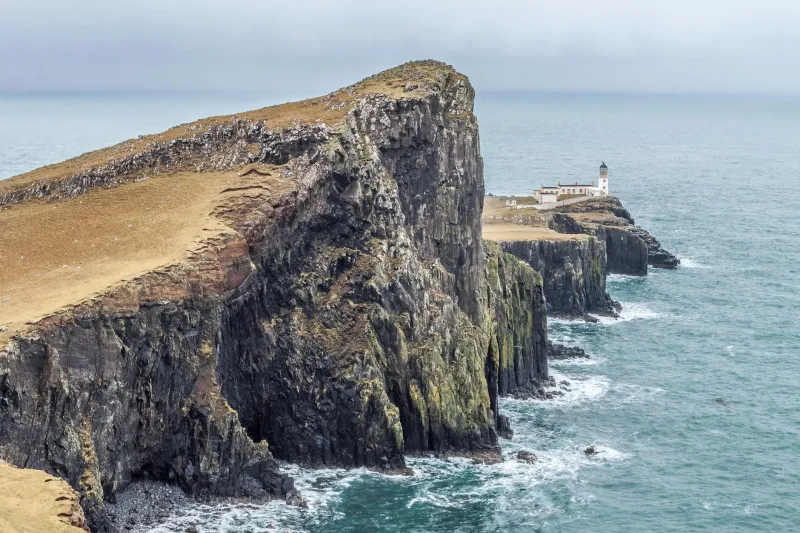
Starting from the harbour car park, the path initially climbs gently through the village before striking out along the clifftops. Here, the drama unfolds immediately – sheer drops of 200 feet or more plunge down to the churning waters below, while inland, the characteristic Caithness landscape of rolling moors stretches away to the distant mountains.
Keep your eyes peeled for the remnants of Dunbeath Castle perched on its rocky promontory. Though much reduced from its medieval glory, the ruins still command respect and offer a perfect excuse for a breather while you imagine the Lords of Caithness surveying their domain from this very spot.
The path continues past a series of dramatic sea stacks and hidden coves. In spring and early summer, the clifftops explode with wildflowers – sea pinks, wild thyme, and the brilliant yellow of gorse create a natural garden that would make any Chelsea Flower Show designer weep with envy. Puffins nest here between April and August, their comical antics providing endless entertainment for patient observers.
Practical tip: Sturdy walking boots are essential for this route. The clifftop path can be muddy after rain, and the exposure means weather can change quickly. Pack waterproofs even on seemingly fine days.
The Gentle Strath: History Underfoot
For those seeking a more leisurely exploration, the walk up Dunbeath Strath offers a completely different but equally rewarding experience. This sheltered valley route follows the Dunbeath Water inland, passing through landscapes that have been shaped by human hands for over a thousand years.
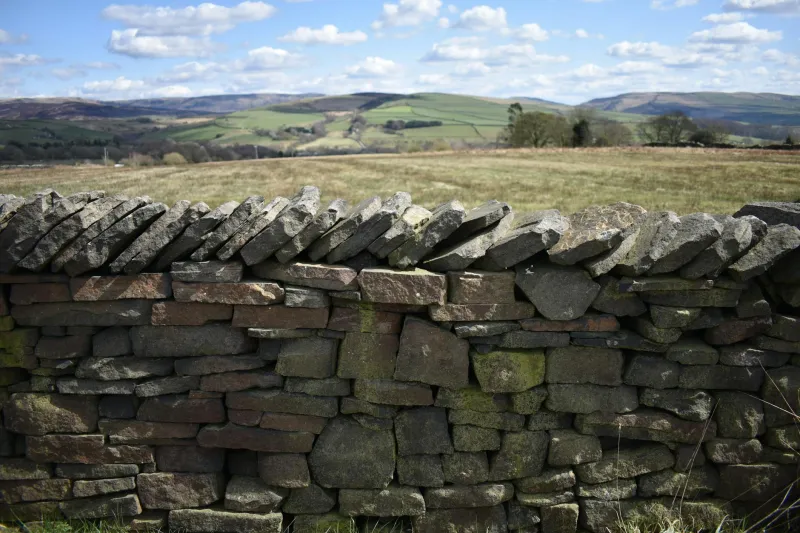
The path begins near the harbour and follows the burn inland through what locals call "the glen." Here, you'll walk through the remains of an ancient agricultural system – lazy beds and field boundaries that tell the story of generations who worked this land. The contrast with the wild clifftops couldn't be more striking; this is intimate, human-scale countryside where every stone wall and field boundary has a purpose.
Look out for the ruins of old crofts dotting the landscape. These aren't just piles of stones – they're the remnants of a way of life that sustained families for centuries. Some date back to the 18th century, before the Highland Clearances changed the social fabric of places like Dunbeath forever.
The burn itself provides its own entertainment, tumbling over small waterfalls and creating pools where brown trout dart between the shadows. In autumn, you might be lucky enough to spot salmon making their way upstream to spawn – a sight that connects you directly to the natural cycles that have sustained this place for millennia.
Practical tip: This route is suitable for most fitness levels and can be walked in ordinary trainers during dry weather. The path follows the burn for about 3 miles inland before becoming more challenging terrain.
Harbour to Beach: Where Past Meets Present
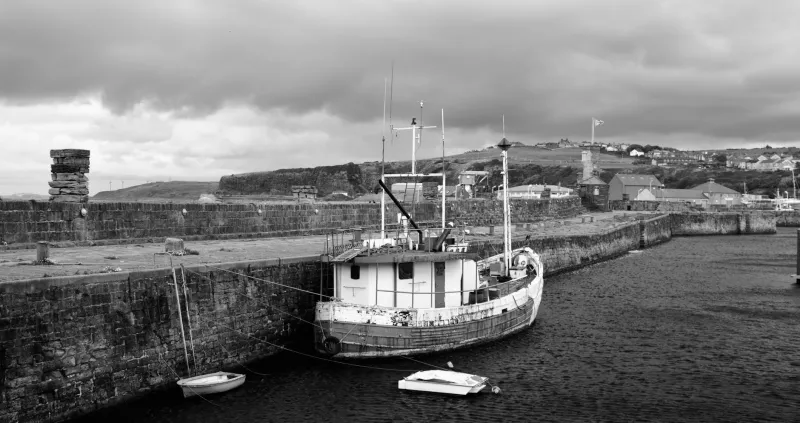
Perhaps the most accessible walk starts right from Dunbeath's heart – the working harbour that still defines the village's character. This circular route (about 45 minutes) combines maritime heritage with stunning coastal views, perfect for families or anyone wanting a taste of Dunbeath's walking potential.
From the harbour, head south along the rocky foreshore when tide permits. This isn't a formal path, but picking your way across the wave-cut platforms reveals tide pools teeming with life – anemones, crabs, and periwinkles create miniature underwater gardens in every depression.
The route then climbs up onto the low cliffs south of the village, offering different perspectives on Dunbeath Bay and the harbour below. You'll pass the site of old lime kilns, reminders of the 19th-century industries that once bustled here alongside fishing.
Returning via the village streets, you'll walk past cottages that housed the fishing families whose boats once crowded the harbour. Many still bear the distinctive architectural features of Highland coastal settlements – thick walls, small windows, and that particular way of sitting low against the landscape that speaks of centuries of accommodation with harsh weather.
When to Walk: A Seasonal Guide
Spring (March-May): The best time for wildflowers and returning seabirds. Weather can be changeable, so layers are essential.
Summer (June-August): Peak season for wildlife watching, especially puffins on the clifftops. Longer daylight hours (until nearly 11pm in midsummer) extend your walking time.
Autumn (September-November): Stunning colours in the strath, and the chance to see migrating birds. Weather becomes more unpredictable.
Winter (December-February): Dramatic seas and stormy skies create atmospheric conditions for experienced walkers. Daylight is limited, but the raw power of winter seas is unforgettable.
Essential Kit for Highland Coastal Walking
Don't let the relatively modest distances fool you – coastal walking in the Scottish Highlands demands respect. Always carry waterproofs, extra layers, and a fully charged phone. The weather can change from benign to brutal in minutes, and mobile signal can be patchy away from the village.
Most importantly, come prepared to be surprised. Dunbeath's walking routes offer far more variety and interest than you might expect from a small Highland village. Each path tells part of the story of this remarkable place where mountains meet sea, and where human history stretches back through countless generations who found sustenance and shelter in this dramatic landscape.
Whether you choose the clifftop drama, the gentle strath, or the accessible harbour walk, you'll return with muddy boots, fresh air in your lungs, and a deeper appreciation for why Dunbeath has captured hearts and imaginations for over a thousand years.