Canvas and Coastline: The Artists Finding Their Voice in Dunbeath's Wild Landscapes
There's something happening in Dunbeath that goes beyond tourism or heritage preservation. In studios converted from old crofting buildings and makeshift easels set up along windswept clifftops, a quiet artistic renaissance is taking root. Contemporary artists are discovering that this remote Highland village offers something increasingly rare in our connected world: genuine solitude combined with landscapes that demand attention.
The Pull of the Periphery
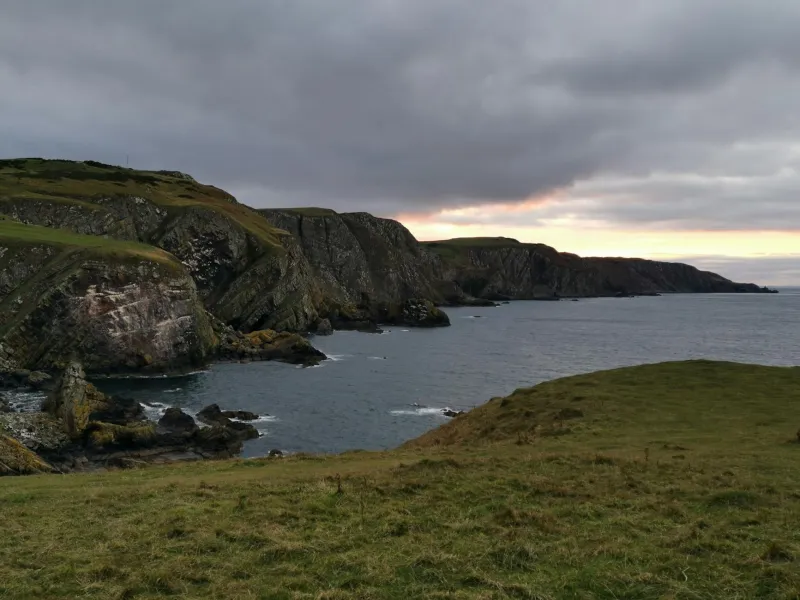
Sarah McKenzie traded her cramped London studio for a converted stone cottage overlooking Dunbeath harbour three years ago. "I was suffocating creatively," she explains, gesturing toward canvases that capture the North Sea's ever-changing moods. "In London, I was painting what I thought art should look like. Here, I paint what I actually see."
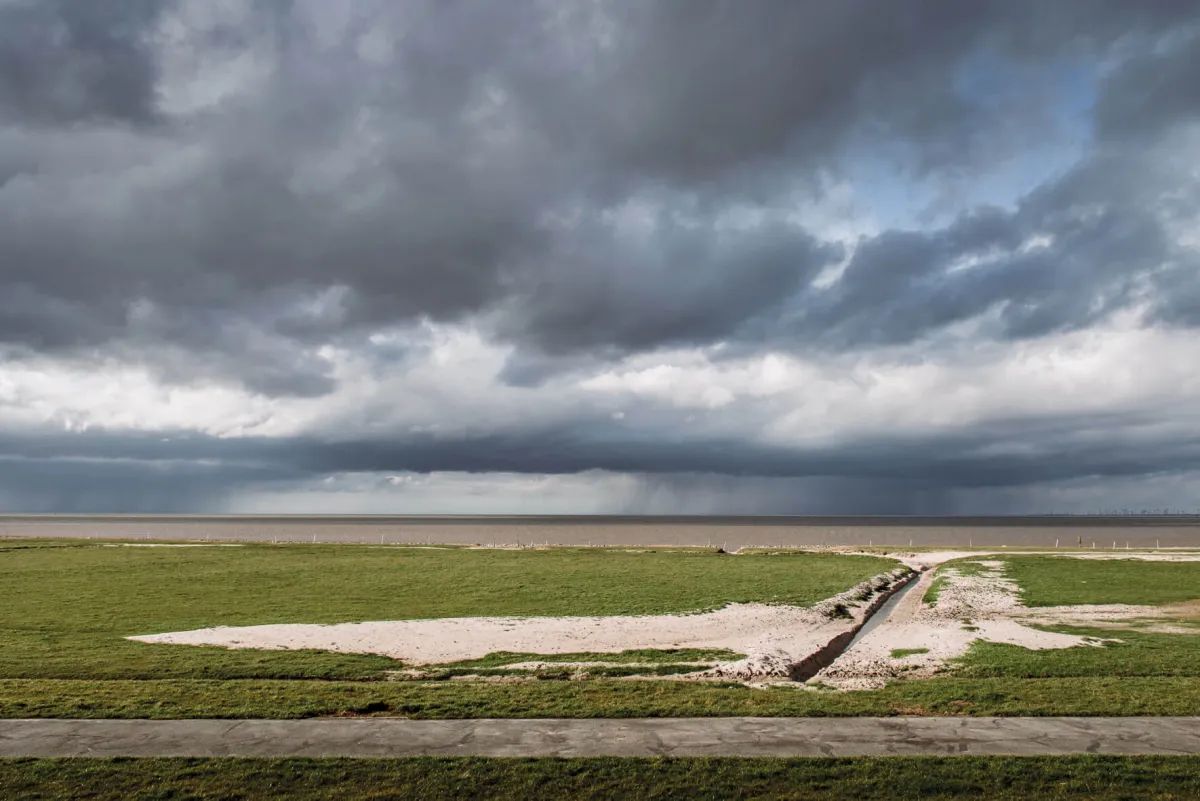 Photo: North Sea, via www.northlandscapes.com
This sentiment echoes through conversations with the growing number of artists who've found their way to this corner of Caithness. Unlike the well-established creative communities of the Highlands' more accessible areas, Dunbeath's artistic appeal lies partly in its very remoteness. There are no galleries courting tourists, no established 'scenes' to navigate. Just landscape, light, and the kind of creative freedom that emerges when external pressures fall away.
The journey north becomes part of the artistic process itself. Many describe the gradual shift from Scotland's central belt to Caithness's vast skies as a form of creative decompression. Mobile phone signals fade, traffic disappears, and suddenly the urgent noise of contemporary life gives way to wind, waves, and the cry of seabirds.
Light Like Nowhere Else
Photographer James Murray arrived in Dunbeath chasing what he calls "honest light." Based between Glasgow and this Highland outpost, he's documented how the village's position – where ancient cliffs meet the North Sea's endless horizon – creates photographic conditions found nowhere else in Scotland.
"The light here isn't pretty," Murray explains. "It's raw, sometimes brutal. But it's completely authentic. You can't fake the way dawn breaks over these cliffs or how storm light transforms the harbour walls."
His black and white studies of Dunbeath's architectural details – weathered stone, rusted harbour chains, the geometric patterns of drystone walls – have gained recognition in Scottish photography circles. But Murray insists the real revelation isn't technical but emotional. "This landscape strips away pretence. Your work becomes about responding honestly to what's actually there."
The Printmaker's Paradise
For printmaker Anna Robertson, Dunbeath's appeal lies in its textures. Her studio, housed in what was once a fish-processing shed near the harbour, produces etchings and linocuts that capture the village's tactile qualities – the rough-hewn stone of ancient walls, the smooth curves of water-worn pebbles, the intricate patterns left by tides on sandy shores.
"Every surface here tells a story," Robertson notes, running her fingers across a zinc plate etched with the outline of Dunbeath Castle. "The stone has been shaped by wind and salt for centuries. The harbour walls bear scars from countless storms. As a printmaker, you're working with marks and textures – and this place is all about marks and textures."
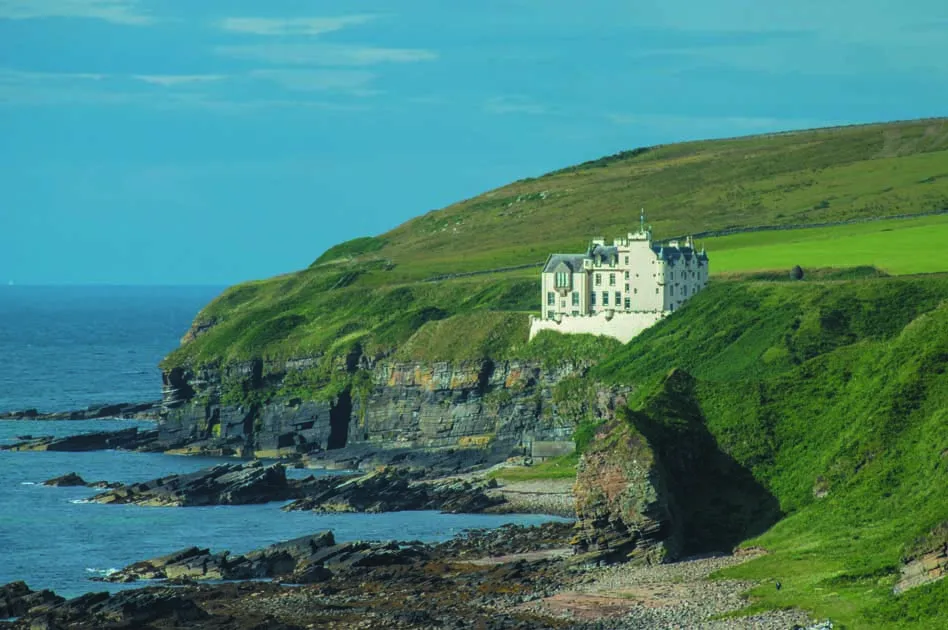 Photo: Dunbeath Castle, via thecastleguide.co.uk
Robertson's work has found audiences far beyond Scotland, but she credits Dunbeath's isolation with giving her the mental space to develop a distinctive style. "In cities, you're constantly influenced by what other artists are doing. Here, your only influences are the elements."
Beyond Romance: The Reality of Remote Creating
Not every artist who ventures north finds what they're seeking. The isolation that inspires some can overwhelm others. Winter's short days and fierce weather test even the most romantic notions of Highland creativity. Internet connections remain patchy, limiting digital artists' options. And the nearest art supplies shop is hours away.
Yet those who stay often speak of discovering creative resources they didn't know they possessed. Sculptor David Chen, who spends summers working with driftwood and found materials along Dunbeath's shore, describes learning to "work with what the sea provides rather than what I think I need."
This resourcefulness extends beyond materials to creative processes themselves. Without the constant stimulation of urban cultural life, artists report developing deeper relationships with their own work. Projects evolve more organically, influenced by seasonal changes rather than exhibition deadlines.
A New Kind of Creative Community
What's emerging in Dunbeath isn't a traditional artist colony but something more organic. The handful of resident creatives maintain their individual practices while occasionally collaborating on projects that respond to local themes. Recent initiatives have included a community mural project incorporating traditional crofting patterns and a photography exhibition documenting the village's changing relationship with the sea.
Local reaction has been largely positive. Long-time residents appreciate artists' genuine interest in Dunbeath's heritage and landscape rather than treating the village as merely picturesque subject matter. Several artists have become involved in heritage preservation efforts, bringing fresh perspectives to conservation challenges.
The Dunbeath Effect
Perhaps most significantly, many artists report that time in Dunbeath fundamentally changes their work, even after returning to urban studios. The experience of creating in response to such elemental forces – wind, tide, seasonal light – seems to permanently alter creative sensibilities.
Painter Elena Vasquez, who divides time between Edinburgh and Dunbeath, describes this as "learning to listen to landscape." Her recent Edinburgh exhibitions feature work directly inspired by Dunbeath experiences, but the influence goes deeper than subject matter. "The pace here, the way you have to wait for the right light or tide, teaches patience. That changes everything about how you approach a canvas."
The Future Canvas
As more artists discover Dunbeath's unique creative possibilities, questions arise about balancing artistic development with the village's existing character. The goal isn't to transform this Highland community into another artist destination but to allow creative voices to emerge organically from genuine engagement with place.
For now, that balance seems sustainable. The artists drawn to Dunbeath tend to be those seeking authenticity rather than networking opportunities. They come not to be seen but to see – and in doing so, they're helping others discover new ways of looking at this remarkable corner of Scotland where Highland meets sea.
In an age of digital saturation and urban noise, perhaps the most radical creative act is simply paying attention to wind, stone, and tide. In Dunbeath, that attention is being transformed into art that speaks with the voice of the northern shore itself.