Beyond the Guidebooks: Discovering Dunbeath's Hidden Treasures Without Spending a Penny
Beyond the Guidebooks: Discovering Dunbeath's Hidden Treasures Without Spending a Penny
In an era where travel often feels like a competition to rack up Instagram-worthy experiences and eye-watering expenses, Dunbeath offers something radical: a reminder that the most profound journeys require nothing more than an open heart and comfortable walking boots.
This Highland village, where ancient stones meet crashing waves, proves that the best experiences can't be purchased. Here are five transformative encounters that cost absolutely nothing yet leave visitors immeasurably richer.
The Dawn Harbour Discovery
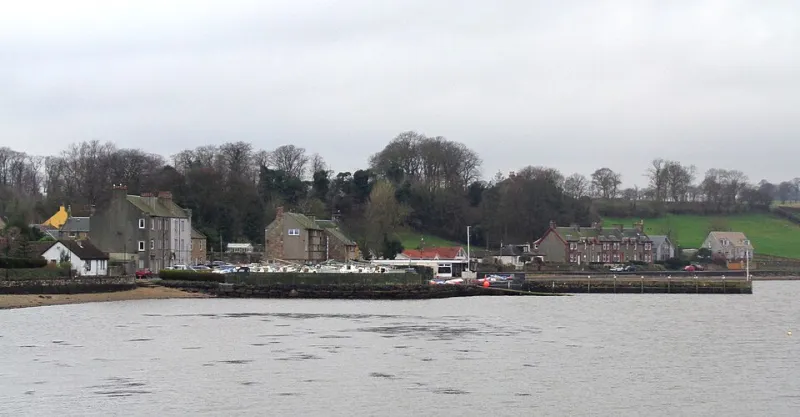
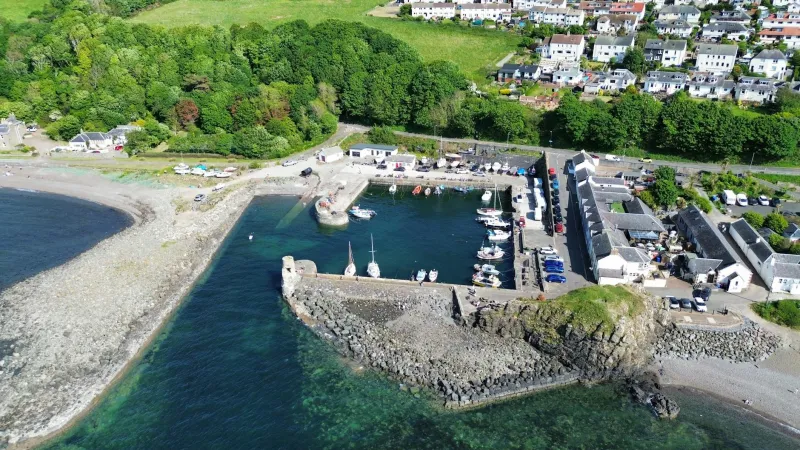
Arrive at Dunbeath Harbour as the first light touches the water, and you'll understand why generations of fishermen considered this their sacred hour. The harbour, carved from unforgiving rock by countless hands over centuries, becomes a natural amphitheatre where seabirds perform their morning chorus.
 Photo: Dunbeath Harbour, via img.ricardostatic.ch
Rock pools reveal their secrets at low tide: hermit crabs scuttling between barnacle-crusted stones, sea anemones unfurling like underwater flowers, and the occasional starfish clinging to seaweed-draped rocks. Children from Glasgow to Edinburgh have discovered magic in these tidal pools, learning that nature's entertainment requires no admission fee.
The harbour walls themselves tell stories. Run your fingers along the weathered stone and feel the chisel marks left by Victorian stonemasons. These aren't just functional structures—they're monuments to Highland resilience, built when Dunbeath was a bustling fishing port feeding Scotland's growing cities.
Following the Ancient Footpath
The path up Dunbeath Strath follows the river that inspired Neil Gunn's literary masterpiece, but you needn't be a literature enthusiast to appreciate its magic. This gentle walk, accessible to families with pushchairs and grandparents seeking tranquil exercise, reveals the Highland landscape at its most intimate.
 Photo: Dunbeath Strath, via img-16.ccm2.net
Wildflowers carpet the verges in summer—purple heather, golden gorse, and delicate harebells that nod in the coastal breeze. The river chatters alongside, sometimes rushing over granite boulders, sometimes pooling in dark, peaty hollows where trout rise to snatch insects from the surface.
Local farmers still graze sheep on these ancient fields, maintaining a pastoral scene unchanged since Gunn's childhood. Wave to the shepherds; Highland hospitality extends to all who show respect for the land.
Sunset at the Clifftop Cemetery
Dunbeath's clifftop cemetery might seem an unusual recommendation, but this peaceful spot offers one of Scotland's most moving sunset experiences. Weathered headstones bear witness to centuries of Highland life—fishermen lost to storms, families who worked the crofts, children who played where tourists now tread.
As evening light gilds the headstones and the Atlantic stretches endlessly westward, the cemetery becomes a place of profound reflection rather than sorrow. Families often picnic quietly here, children learning about the cycles of life while seabirds wheel overhead.
The view encompasses everything that makes Caithness special: rolling moors stretching inland, the dramatic coastline carved by millennia of storms, and that vast sky that seems to dwarf human concerns.
Beachcombing at Dunbeath Bay
The beach below the village offers treasure hunting without the need for metal detectors or entrance fees. Atlantic storms deposit gifts from distant shores: smooth glass worn silk-soft by saltwater, driftwood sculptured by waves, and shells that whisper ocean secrets when held to eager ears.
 Photo: Dunbeath Bay, via static0.givemesportimages.com
Regular visitors develop an eye for the unusual—a piece of sea pottery from a Victorian shipwreck, amber washed from Baltic shores, or the perfect skimming stone that will fly across the waves like a seabird.
Local children have made legends of their beach finds: the message in a bottle that travelled from Norway, the unusual shell that sparked a lifelong interest in marine biology, the piece of sea glass that became a treasured pendant. These stories remind us that wonder requires no budget, only attention.
The Evening Bird Chorus
As daylight fades, Dunbeath transforms into an avian concert hall. Curlews call across the moorland with their haunting, liquid notes. Oystercatchers pipe sharp warnings as they patrol the shoreline. Skylarks pour liquid music from invisible heights, their songs cascading like Highland burns in spate.
Find a comfortable spot—perhaps the bench overlooking the harbour, or a grassy hollow on the clifftop—and simply listen. City dwellers often report this as their most profound Dunbeath moment: the realisation that silence isn't empty but full of natural symphony.
Birdwatchers armed with expensive optics might spot rare migrants, but you need no equipment to appreciate the daily miracle of wild creatures living their lives alongside human settlement.
The True Wealth of Highland Travel
These experiences share common threads: they require time rather than money, attention rather than equipment, and respect rather than consumption. They connect visitors to the rhythms that have shaped Highland life for millennia—the tides, the seasons, the eternal conversation between land and sea.
In Dunbeath, wealth isn't measured in pounds spent but in moments savoured, connections made, and stories gathered. The village offers a masterclass in slow travel, proving that the most meaningful journeys happen when we stop rushing and start noticing.
Pack light, arrive early, stay late, and discover that Scotland's Highland coast guards its greatest treasures not behind paywalls but in plain sight, waiting for those wise enough to look beyond their wallets and into the eternal magic of this extraordinary place.